Ctrl K
1879–1960
H. Langden Brown (1879–1960) was an American artist best known for his contributions to the Index of American Design, a Federal Art Project under the Works Progress Administration (WPA) from 1935 to 1942. This ambitious initiative commissioned artists across the United States to create meticulous watercolor renderings of everyday objects, tools, vehicles, and crafts that embodied the nation's folk art heritage. Brown, active primarily in the late 1930s, produced dozens of these precise illustrations, many now preserved in the National Gallery of Art's collection of over 30 works. Little is known about his early life or formal training, as biographical details remain sparsely documented beyond his birth and death years.
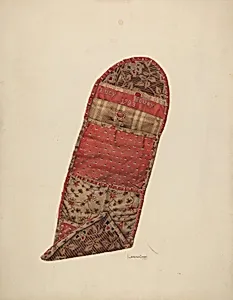
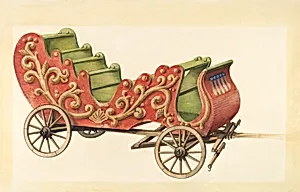
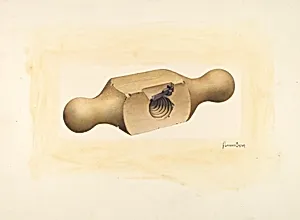
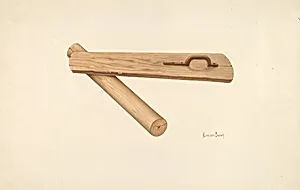
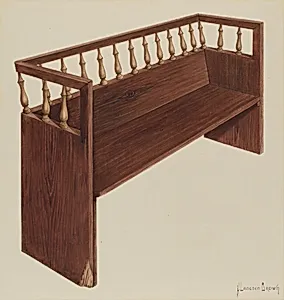
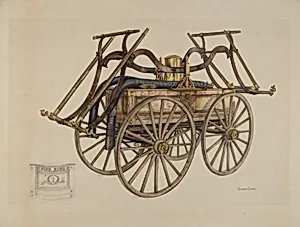
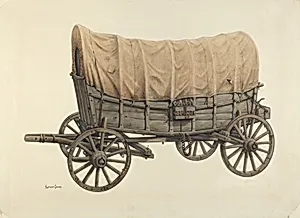
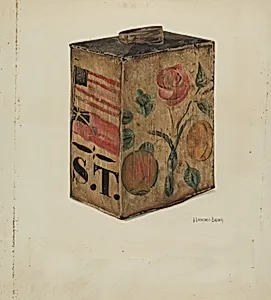
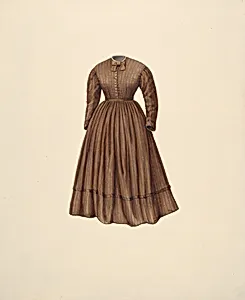
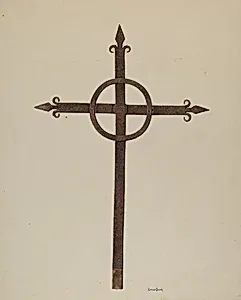
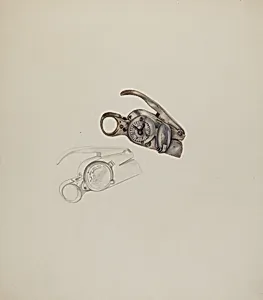
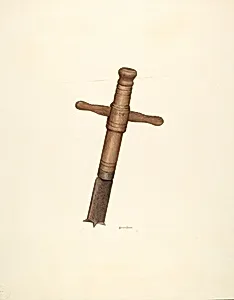
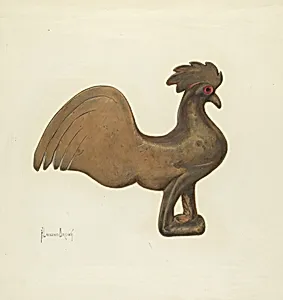
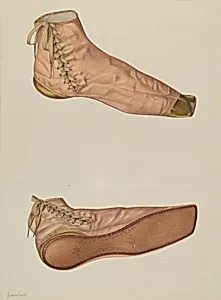
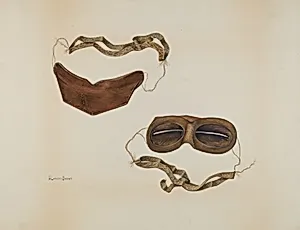
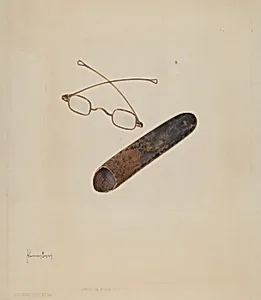
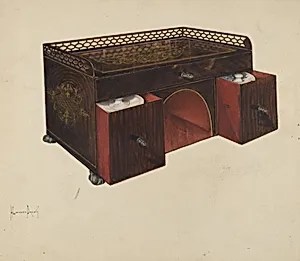
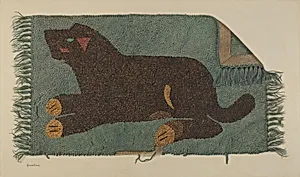
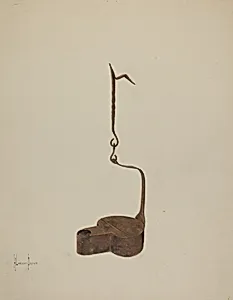
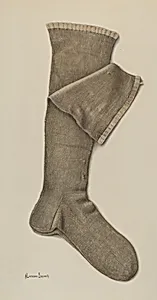
Brown's artistic style was characterized by hyper-detailed realism, employing watercolor, graphite, gouache, and occasionally pen on paper to capture the textures, forms, and historical significance of utilitarian objects. His renderings emphasized mechanical intricacy, material qualities, and cultural context, transforming mundane items into celebrated artifacts. Notable examples include *Eye Shades* (c. 1937), *Wrought Iron Betty Lamp* (c. 1937), *Woman's Silk Shoe* (c. 1937), *Weather Vane* (c. 1937), *Toleware Ink Stand* (c. 1937), *Stockings* (c. 1938), *Iron Cross* (c. 1938), *Conestoga Wagon* (1938), *Hooked Rug* (c. 1937), *Needle Case* (1940), and *Door Stop* (c. 1937). A significant portion focused on artifacts from Bishop Hill, a 19th-century Swedish utopian colony in Illinois, such as the *Bandwagon* (c. 1939) and a *Mangler* (c. 1939), often in collaboration with artist Milton Bevier.
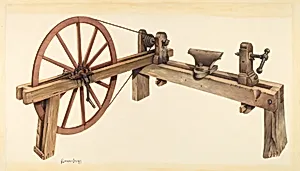
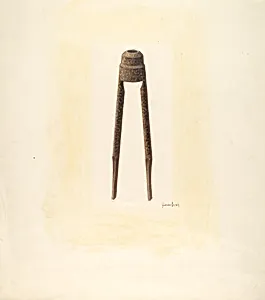
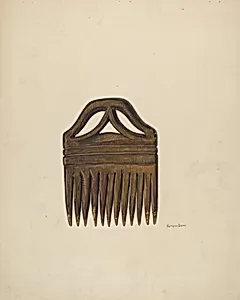
Through the Index of American Design, Brown's work played a vital role in documenting and revitalizing interest in America's vernacular design traditions during the Great Depression. His illustrations not only preserved vanishing crafts—like Jacquard coverlets, horse combs, and woodturning lathes—but also highlighted regional diversity, from Midwestern folk tools to early vehicles. Today, these pieces endure as educational treasures in institutions like the National Gallery of Art, offering insights into 19th- and early 20th-century American material culture and underscoring the WPA's legacy in supporting artists while safeguarding cultural history.