Ctrl K
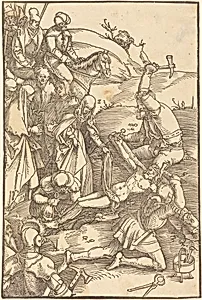
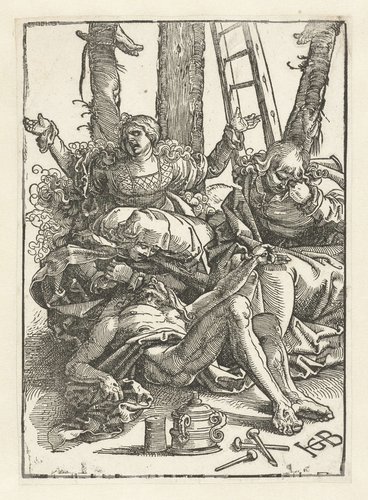
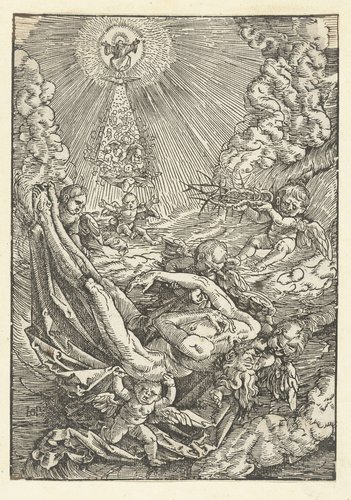
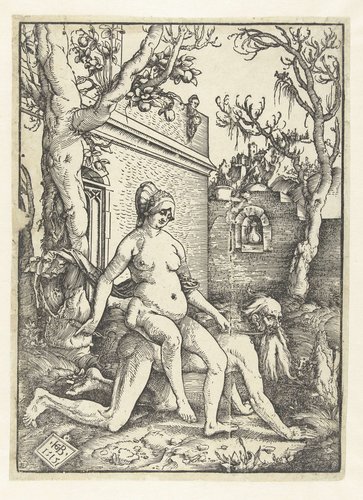
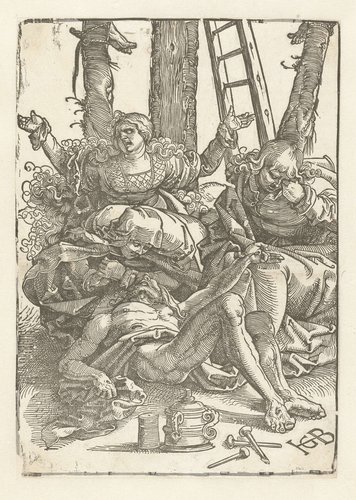
Hans Baldung, known by the nickname Grien, was born around 1484 or 1485 in Schwäbisch Gmünd, in the Swabia region of what is now Germany. He came from a distinguished academic family — his father Johann Baldung was a university-educated jurist who served as legal adviser to the bishop of Strasbourg — making Hans a notable exception as the first male in his family not to attend university, and one of the first major German artists to emerge from such a learned household. His earliest training as a painter began in the Upper Rhineland around 1500.
Beginning around 1503, Baldung entered the Nuremberg workshop of Albrecht Dürer, the preeminent German artist of the age, where he worked as an assistant until approximately 1507. The two developed a close friendship that endured beyond the apprenticeship; upon Dürer's death, Baldung was sent a lock of his hair. His nickname Grien — incorporated into his monogram and used to distinguish him from the other Hanses in Dürer's workshop — likely derived from his preference for green clothing. After leaving Nuremberg in 1509, he settled in Strasbourg, where he became a celebrated civic figure, eventually serving on the town council.
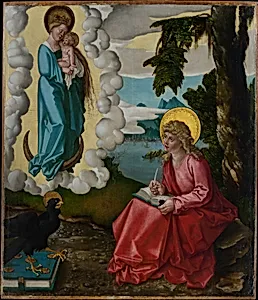
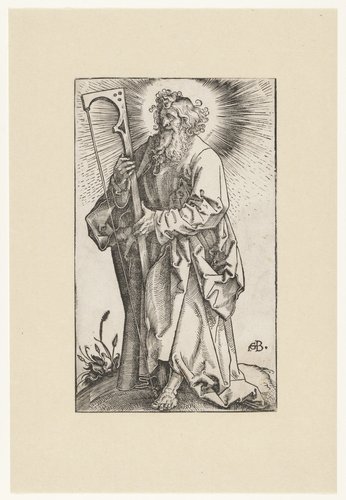
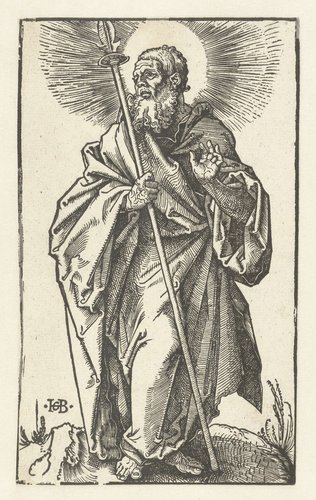
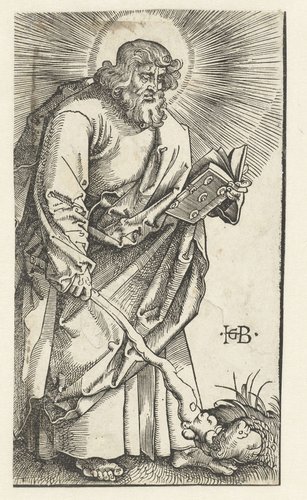
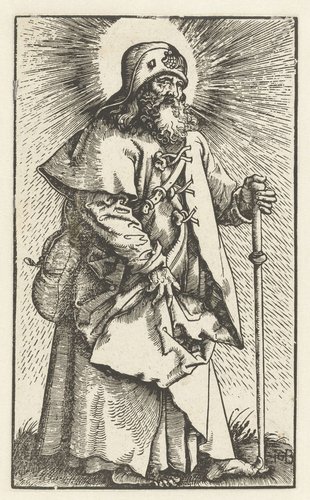
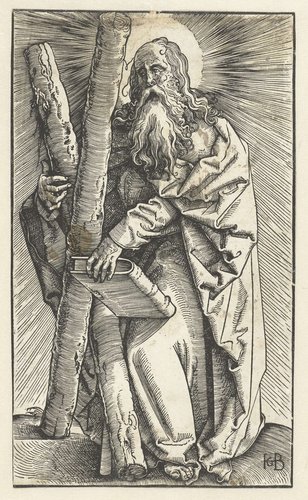
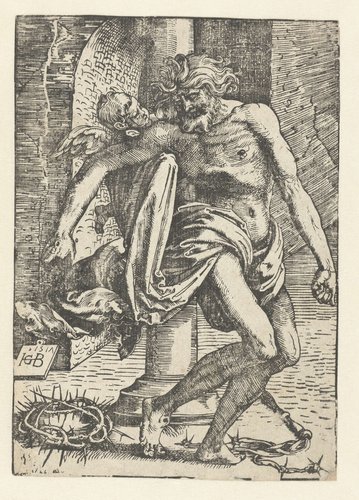
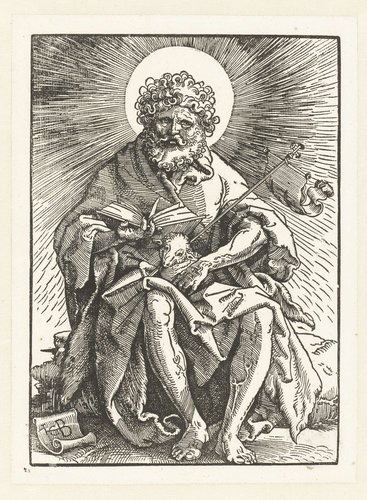
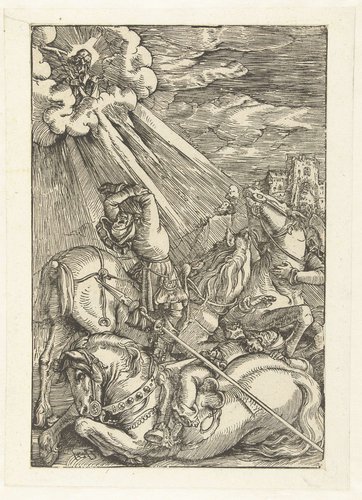
Baldung's most significant commission came when he relocated to Freiburg im Breisgau between 1513 and 1516 to create the high altar of Freiburg Minster, an eleven-panel altarpiece centered on the Coronation of the Virgin that remains his masterpiece. He also designed stained-glass windows for the cathedral's choir. Working across painting, printmaking, drawing, and stained glass, Baldung developed a style distinguished by vivid color, expressive intensity, and imaginative boldness that set him apart from Dürer's precise naturalism.
Among German Renaissance artists, Baldung is particularly noted for his preoccupation with witchcraft, death, and erotic allegory — themes he explored more extensively than any of his contemporaries. Works such as The Witches' Sabbath (1510), Death and the Maiden (1517), and Weather Witches (1523) combined fascination with the occult and mortality with a charged visual energy that anticipates Mannerism. An early supporter of the Protestant Reformation, he also produced works reflecting Lutheran sympathies. He died in Strasbourg in September 1545, leaving behind one of the most distinctive and psychologically complex bodies of work in Northern Renaissance art.