Ctrl K
1827–1875
Jean-Baptiste Carpeaux (1827–1875) was a French sculptor and painter who became the most dynamic and expressive sculptor of the Second Empire period, bridging the traditions of Romantic sculpture and the emerging naturalism of the later nineteenth century. Born in Valenciennes into a working-class family, he studied at the Petit École and the École des Beaux-Arts in Paris under François Rude and Francisque Duret, winning the Prix de Rome in 1854.
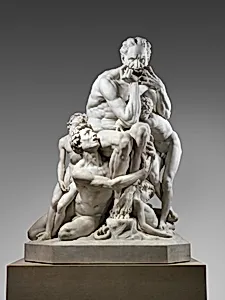
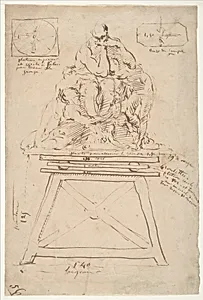
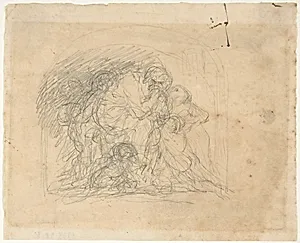
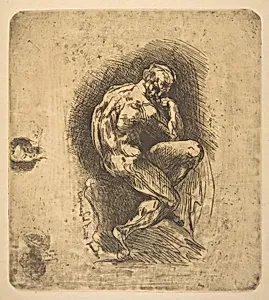
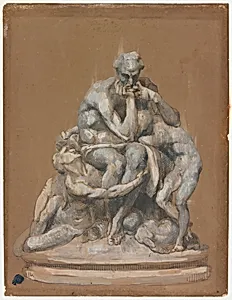
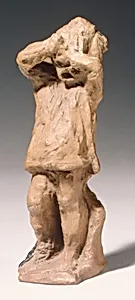
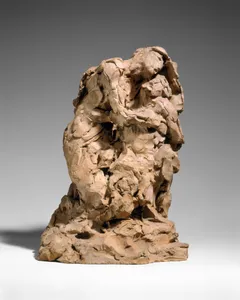
During his years at the French Academy in Rome, Carpeaux produced "Ugolino and His Sons" (1860), a powerfully expressive multi-figure group inspired by Dante's Inferno that established his reputation. The sculpture's anguished intensity and dynamic composition broke with the serene classicism expected of Prix de Rome recipients and announced Carpeaux's fundamentally Romantic temperament.
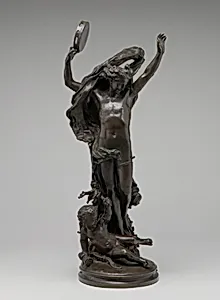
Carpeaux's most celebrated work is "The Dance" (1869), a monumental sculptural group created for the facade of the Paris Opéra designed by Charles Garnier. The exuberant, whirling figures — a circle of nude bacchantes dancing around the figure of the Genius of Dance — caused a scandal for their perceived indecency but are now recognized as one of the supreme achievements of nineteenth-century sculpture, combining Baroque energy with modern naturalism.
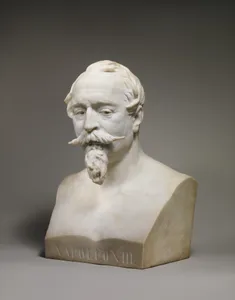
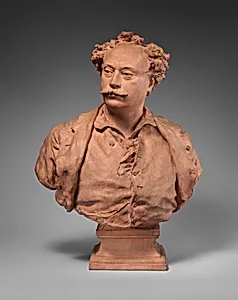
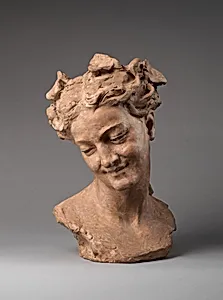
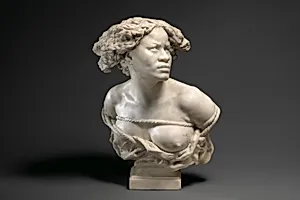
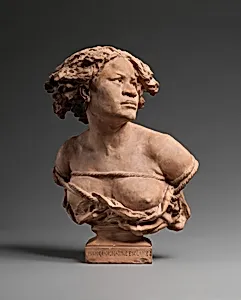
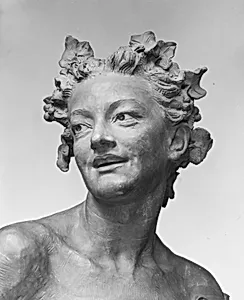
Carpeaux also produced remarkable portrait busts, including his studies of Napoleon III and his family, that are celebrated for their psychological penetration and technical virtuosity. He died of cancer at forty-eight, his career cut tragically short. His work is held by the Musée d'Orsay, the Louvre, the Metropolitan Museum of Art, the Musée des Beaux-Arts in Valenciennes, and the Ny Carlsberg Glyptotek in Copenhagen.