Ctrl K
1728–1808
**Jean-Baptiste Pillement (also known as Jean Pillement)** was a French painter, designer, and engraver born on 24 May 1728 in Lyon, where he also died on 26 April 1808. He became one of the most influential decorative artists of the Rococo period, celebrated for his delicate landscapes and exotic chinoiserie designs that spread across Europe through prints and decorative applications.
Pillement began his training early, moving to Paris at age 15 in 1743 to apprentice under the prominent painter and designer Jean-Baptiste Oudry at the Manufacture de Beauvais tapestry works. His early travels shaped his cosmopolitan career: he worked in Madrid from 1745 to 1750, Lisbon until 1754, and then London, where he drew inspiration from Dutch landscape painter Nicolaes Berchem. Subsequent journeys took him to Vienna (employed at the Imperial Court), Warsaw (decorating the Royal Castle and Ujazdowski Castle for King Stanisław II Augustus), and later Versailles, where he created decorations for Marie Antoinette at the Petit Trianon. He returned to Lyon in 1800, continuing to paint, design for the silk industry, and teach.
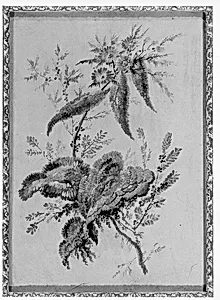
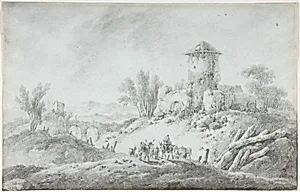
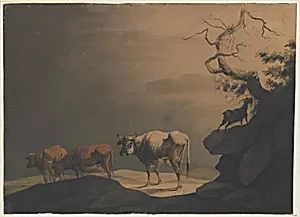
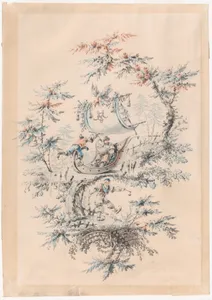
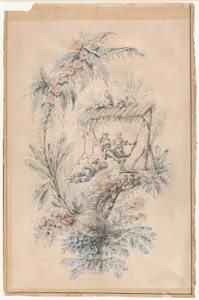
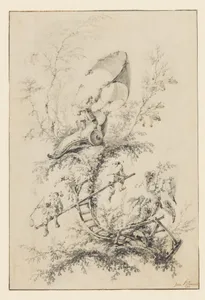
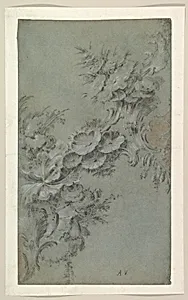
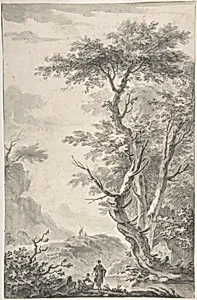
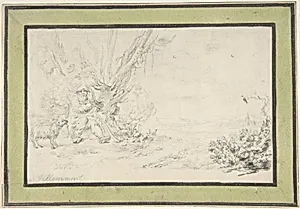
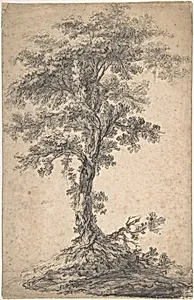
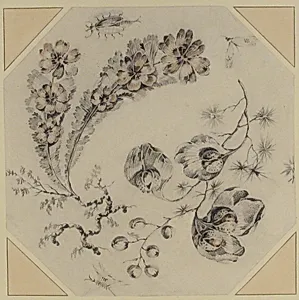
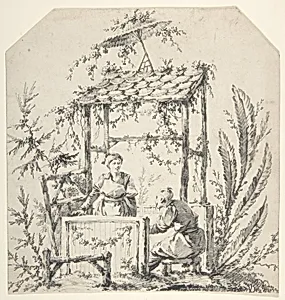
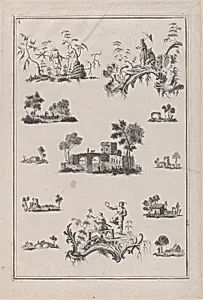
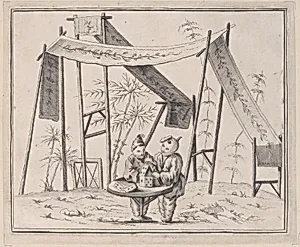
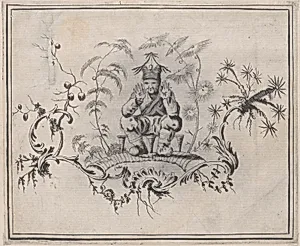
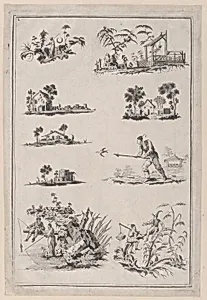
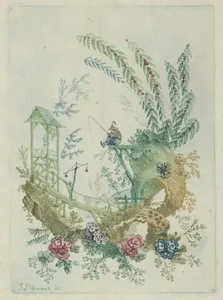
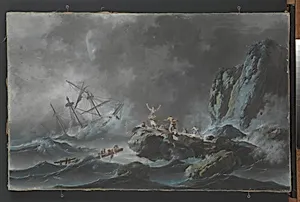
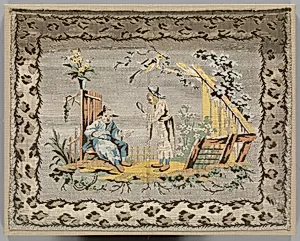
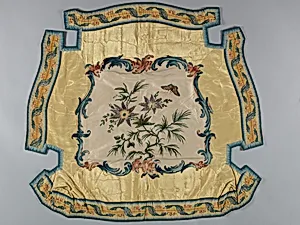
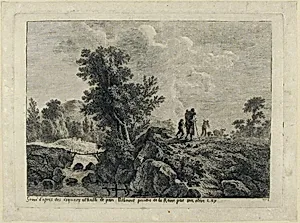
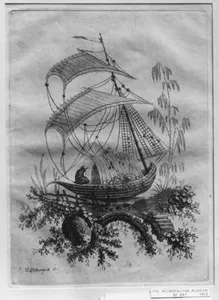
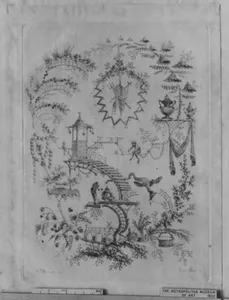
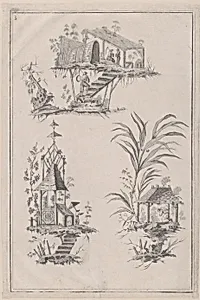
Stylistically, Pillement worked firmly within the Rococo tradition, specializing in exquisite, poetic landscapes featuring shepherds, rustic mills, and lush natural scenes, alongside whimsical chinoiserie fantasies blending birds, flora, and ornamental motifs. His importance extended beyond paintings to the numerous engravings made after his drawings, which popularized these styles on textiles, porcelain, wallpaper, and silver. Notable publications include his 1776 album *Œuvre de fleurs, ornements, cartouches, figures et sujets chinois*, and he developed a new method for printing on silk. Key works include *Landscape with Cattle* (Louvre) and *Autumn* (1792).
Pillement’s legacy endures through his role in disseminating Rococo aesthetics and chinoiserie taste throughout Europe via widely circulated prints. Born into a family of artists spanning multiple generations, his prolific output—encompassing court commissions, decorative projects, and instructional work—left a lasting mark on 18th-century European design and ornament. With dozens of his pieces preserved in museum collections today, his delicate vision continues to exemplify the elegance and fantasy of the Rococo era.