Ctrl K
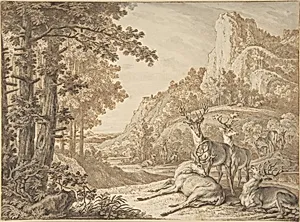
1698–1767
Johann Elias Ridinger (1698–1767) was born in Ulm into an artistic family, the son of scribe and artist Johann Daniel Ridinger and Regina Catharina Miller. He received his initial training in Ulm under the painter Christoph Resch, who instructed him in perspective, geometry, and architecture while assigning preparatory tasks like painting wax models. Around 1713, Ridinger moved to Augsburg, where he studied under Johann Falch and mastered engraving techniques with Georg Philipp Rugendas the Elder. A formative three-year stint in Regensburg working for nobleman Wolf von Metternich exposed him to coursing and riding schools, honing his fascination with horses and wildlife.
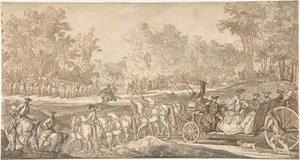
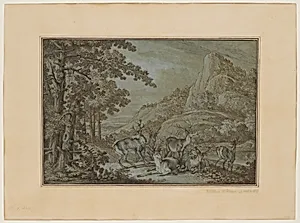
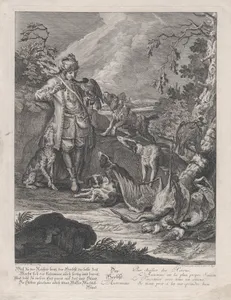
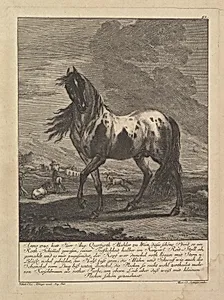
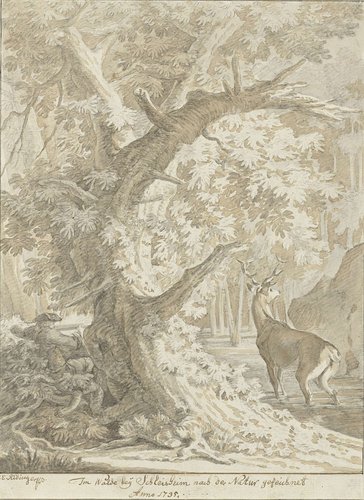
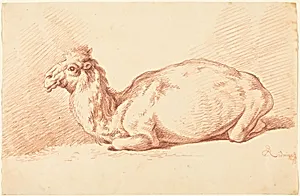
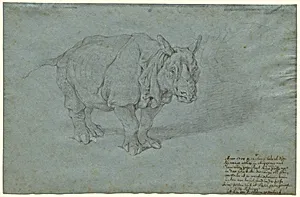
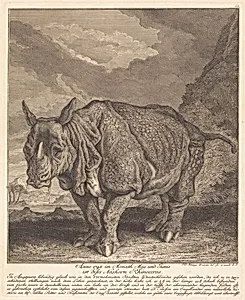
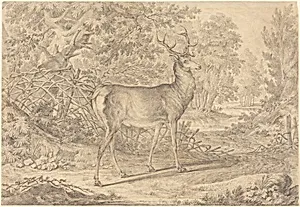
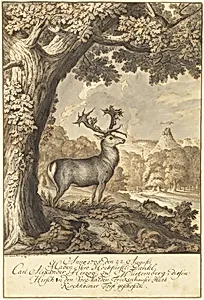
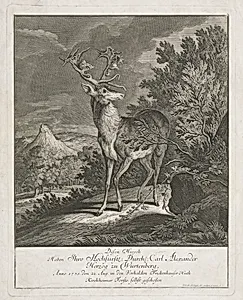
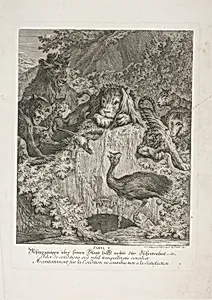
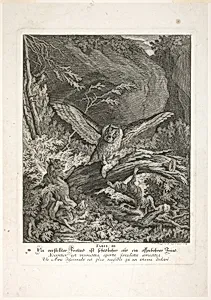
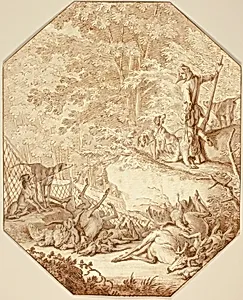
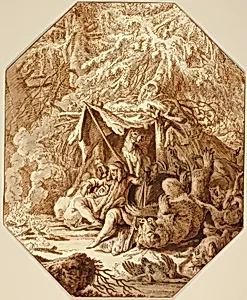
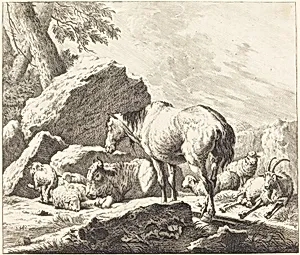
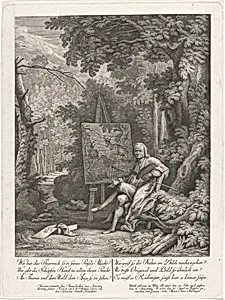
In 1723, after marrying Jacobina zur Helle, the widow of his friend Johannes Seuter, Ridinger established his own publishing house in Augsburg, producing nearly 1,600 prints—over 1,200 featuring animals in dynamic landscapes. His engravings and etchings captured beasts in characteristic poses and movements, blending precise draughtsmanship with Rococo ornamental flourishes, establishing him as Germany's preeminent animalier engraver. Ridinger's versatility extended to hunting scenes, equestrian studies, and fables; standout series include *Gründliche Beschreibung und Vorstellung der wilden Thiere* (1740s), *Genaue und richtige Abbildungen der wundersamen Hirschen* (ca. 1750–1754), *Lehrreiche Fabeln aus dem Reiche der Thiere* (1740s), and *Die par force Jagd des Hirschen* (1756). His drawings influenced Meissen porcelain and decorative arts, showcasing his mastery of animal anatomy and motion.
Ridinger's legacy endured through his sons, Martin Elias and Johann Jakob, who perpetuated his workshop by reprinting from original copperplates well into the 19th century. Appointed director of the Augsburg Stadtakademie in 1759, he left a profound mark on printmaking, with his biologically acute depictions of wildlife—stags, hounds, horses, and exotic beasts—celebrated in biographies by his son and Georg August Wilhelm Thienemann, cementing his status as a pivotal figure in 18th-century German art.