Ctrl K
1808–1897
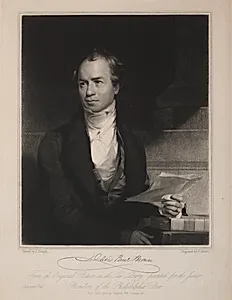
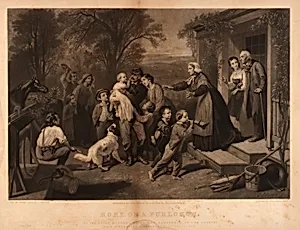
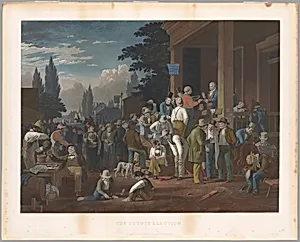
**John Sartain (1808–1897)** was an English-born American artist renowned for pioneering mezzotint engraving in the United States. Born in London on October 24, 1808, he trained in line engraving and contributed plates to William Young Ottley’s *Early Florentine School* (1826). He began experimenting with mezzotints in 1828 and studied painting under John Varley and Henry James Richter. In 1830, at age 22, Sartain emigrated to Philadelphia, where he furthered his studies with Joshua Shaw and Manuel J. de Franca. For the next decade, he focused on oil portraits and ivory miniatures while creating designs for banknote vignettes and woodcut illustrations.
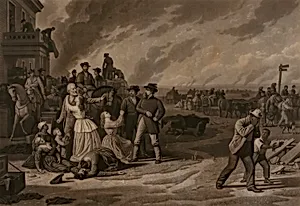
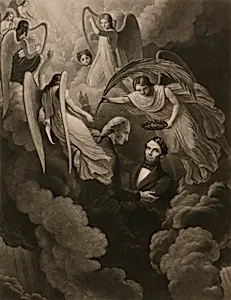
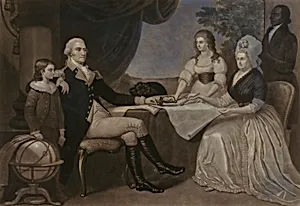
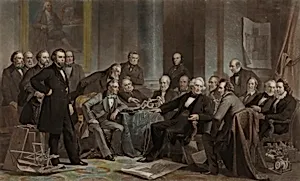
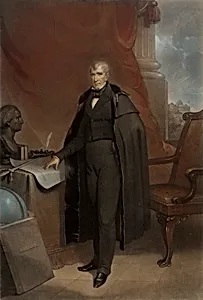
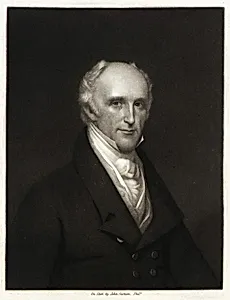
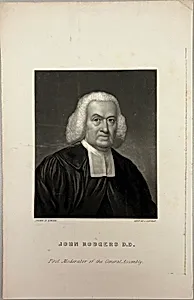
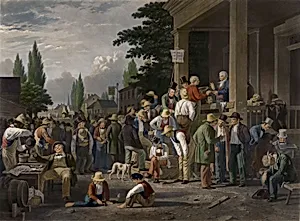
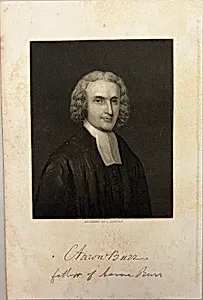
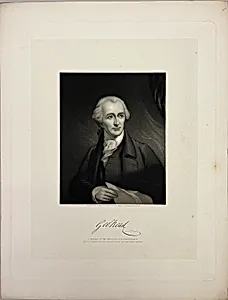
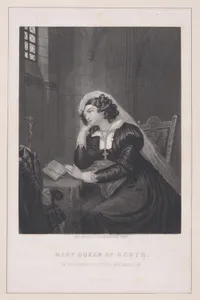
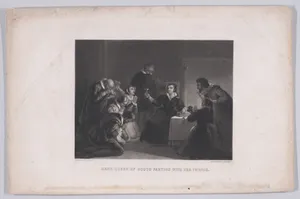
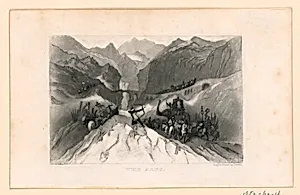
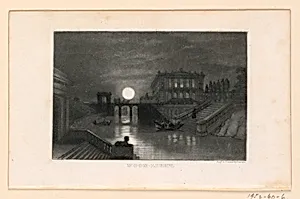
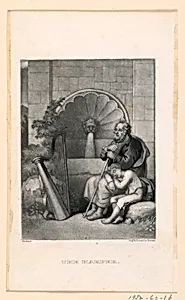
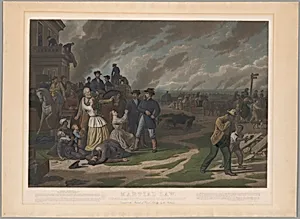
Sartain quickly established himself as a leading printmaker, reviving mezzotint techniques that had largely fallen out of favor in America. He produced engravings for *Graham’s Magazine* (1841–48) and served as editor and proprietor of periodicals including *Campbell’s Foreign Semi-Monthly Magazine* and, from 1849 to 1852, *Sartain’s Union Magazine*. His plates illustrated literary works and featured notable subjects such as portraits of presidents Zachary Taylor and William Henry Harrison, Edgar Allan Poe, and historical scenes like *Mary, Queen of Scots*. A friend of Poe, Sartain published the first authorized printings of “The Bells” and “Annabel Lee” in his magazine. He also witnessed and depicted events like the 1838 burning of Pennsylvania Hall.
Beyond his studio practice, Sartain played a central role in Philadelphia’s art institutions. He held leadership positions in the Artists’ Fund Society, the Philadelphia School of Design for Women (where he served as director for 28 years), and the Pennsylvania Academy of the Fine Arts. He oversaw the art department of the 1876 Centennial Exposition, earning the Order of the Crown of Italy, and contributed designs for monuments including medallions for the Washington and Lafayette memorial. Sartain married Susannah Longmate Swaine; several of their eight children, including engraver Samuel, painter William, and artist Emily (who succeeded him at the School of Design), followed artistic careers. He published his memoirs, *Reminiscences of a Very Old Man*, in 1899. Streets in Philadelphia were renamed in his honor, and a fellowship at the School of Design bears his name, cementing his enduring influence on American printmaking and arts education.