Ctrl K
1855
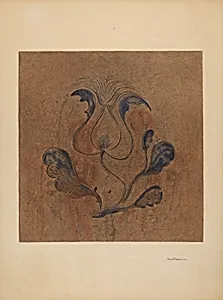
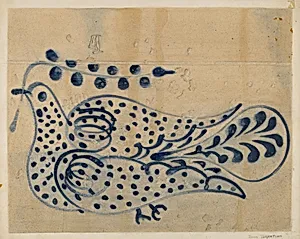
John Tarantino was an American artist active from around 1935 to 1953, best known for his meticulous contributions to the Index of American Design, a Federal Art Project under the Works Progress Administration (WPA). This ambitious initiative commissioned artists across the United States to create precise renderings of everyday folk art objects, preserving the nation's vernacular design heritage amid the Great Depression. Tarantino's early life and formal training remain not well documented, with no records of specific teachers or art schools surfacing in historical sources. His focus emerged squarely within this WPA framework, where he documented hundreds of utilitarian items with technical accuracy.
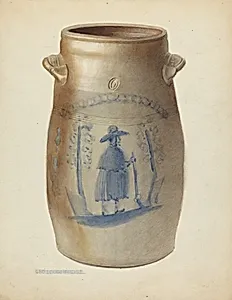
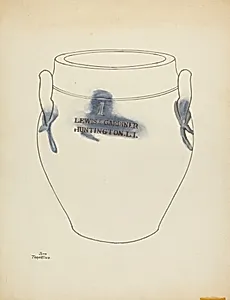
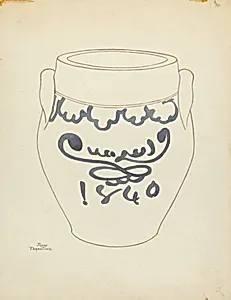
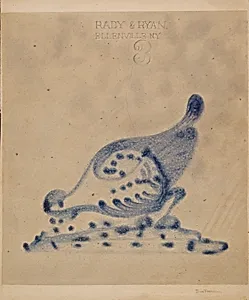
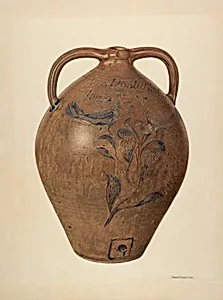
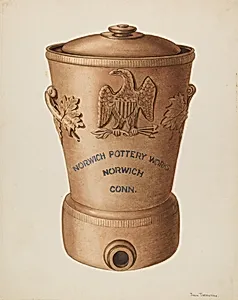
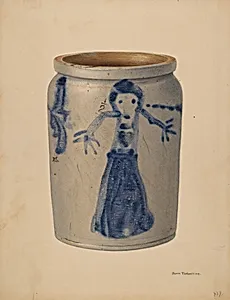
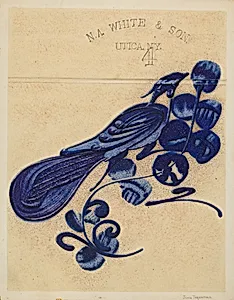
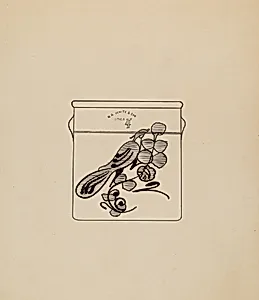
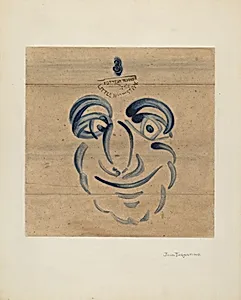
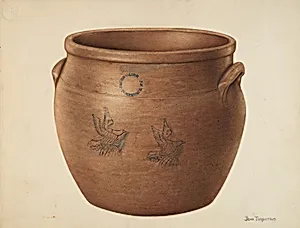
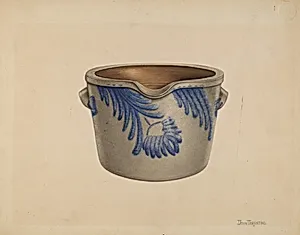
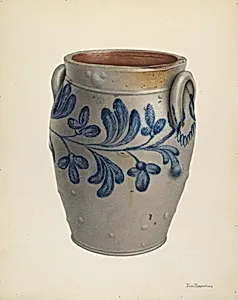
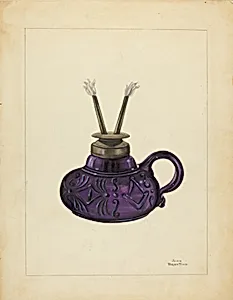
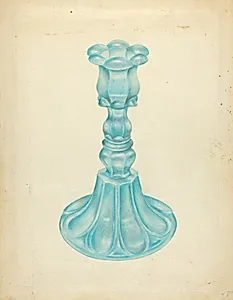
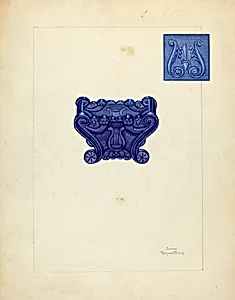
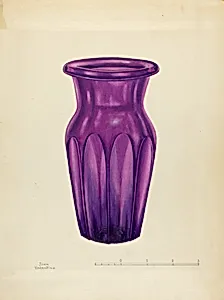
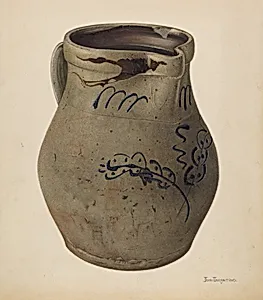
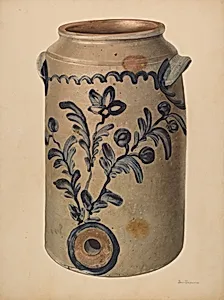
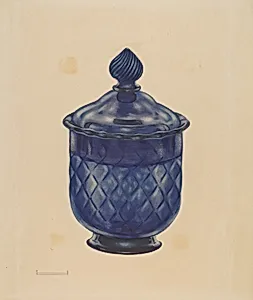
Tarantino worked in the tradition of the Index of American Design, employing watercolor, graphite, gouache, colored pencil, and pen and ink on paperboard to capture the subtle textures, forms, and functionalities of common household wares. His style emphasized hyper-realistic detail—highlighting the earthy glazes of stoneware crocks, the delicate curves of cordial glasses, and the practical spouts of batter jugs—elevating anonymous crafts to artistic subjects. These renderings not only recorded physical attributes but also evoked the cultural stories embedded in American material life, from colonial-era ceramics to 19th-century lamps.
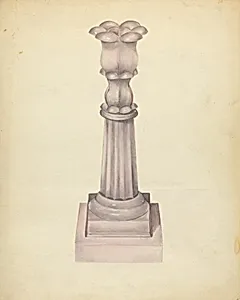
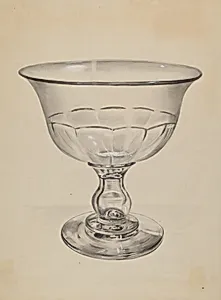
Among his major works are "Crock" (c. 1953), a late watercolor and graphite study of a bulbous stoneware vessel; "Jar" (c. 1941), rendered in watercolor, colored pencil, and graphite; and collaborative pieces like "Crock" (c. 1941) with Isadore Goldberg. Other standouts include "Jug (for Wine, Cider, or Vinegar)" (c. 1941), "Cordial Glass" (c. 1936), "Compote" (c. 1940), and "Camphene Lamp" (1935-1942), all showcasing his prowess in depicting reflective surfaces and organic shapes. The National Gallery of Art holds over 150 of these drawings, forming a cornerstone of its Index collection.
Tarantino's legacy endures through these archival treasures, which continue to inform art historians and designers about America's folk craft traditions. By transforming humble objects into enduring visual records, he bridged utilitarian history and fine art, ensuring that the ingenuity of anonymous makers lives on in museum halls today. His output of nearly 150 documented works underscores a quiet but vital role in 20th-century American cultural preservation.