Ctrl K
1804–1892
Joseph-Philibert Girault de Prangey (1804–1892), born in Langres, France, as the sole surviving child of Claude Joseph Girault and Barbe Philiberte Rosine Piétrequin, inherited the lordships of Genevrières and Prangey, adopting his full surname in 1825. After studies at Langres college and in Paris, where he earned baccalauréats in letters (1826) and law (1828), he pursued artistic training under landscape painters François-Edme Ricois and Jules Coignet, studying painting at the École des Beaux-Arts. An avid archaeologist and architectural historian, Girault de Prangey exhibited oils at the 1836 Salon, including *Promenade et tours d’enceinte du palais de l’Alhambra à Grenade* and *Hammamet ville fortifiée de la régence de Tunis*, reflecting his emerging focus on Islamic and Moorish architecture.
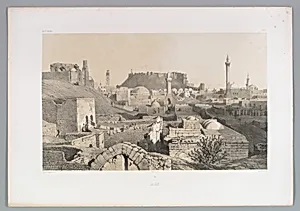
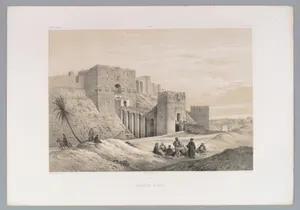
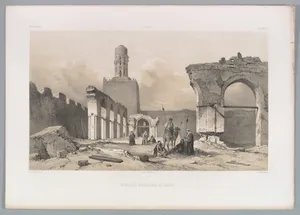
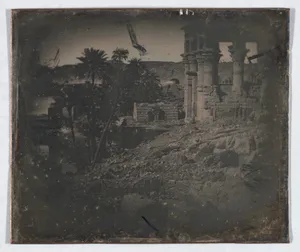
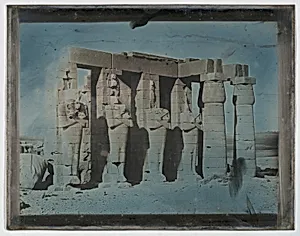
In 1841, he mastered daguerreotypy—possibly under Louis Daguerre or Hippolyte Bayard—and embarked on transformative journeys that defined his oeuvre. From 1832–1834, he documented Moorish sites in Spain (spending ten months at Granada's Alhambra), North Africa, and Italy through meticulous drawings and measurements, culminating in lithographic publications like *Monuments arabes et moresques de Cordoue, Séville et Grenade* (1836) and *Souvenirs de Grenade et de l’Alhambra* (1837). His 1842–1845 grand tour of the Eastern Mediterranean—Greece, Egypt, Syria, Palestine, Turkey—yielded over 1,000 daguerreotypes, including the earliest surviving images of Athens' Parthenon and Acropolis (1842), Jerusalem's Dome of the Rock, Cairo's Khayrbak Mosque, and Aleppo's Umayyad Mosque. These works blended artistic precision with scientific documentation, pioneering photography's role in architectural history.
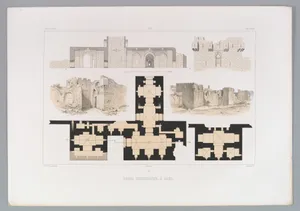
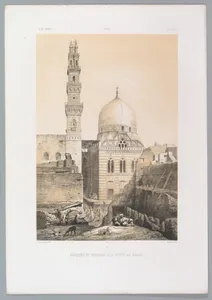
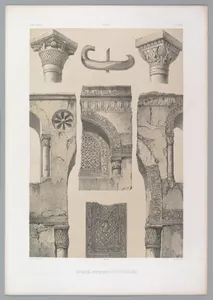
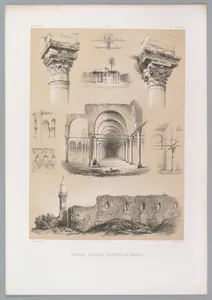
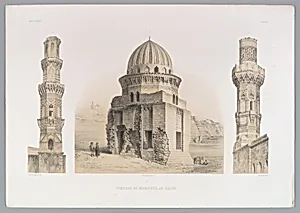
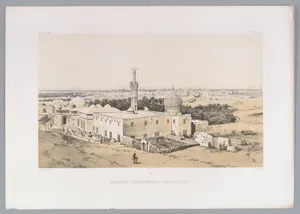
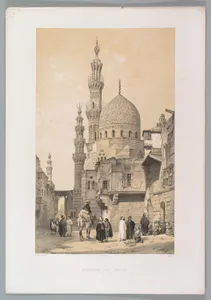
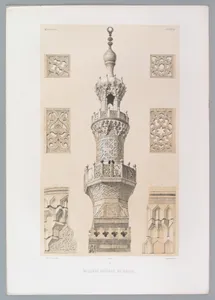
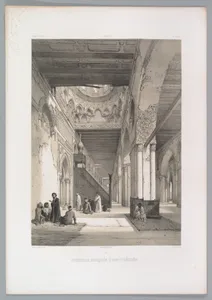
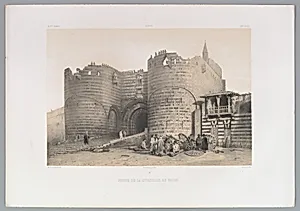
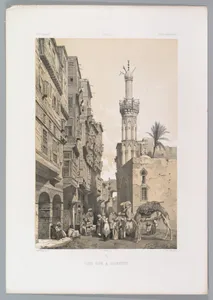
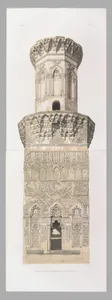
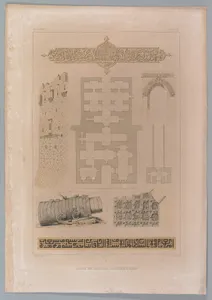
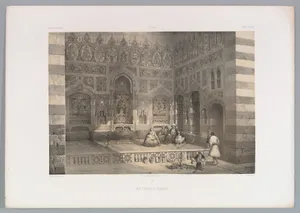
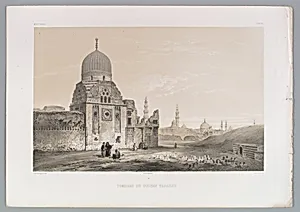
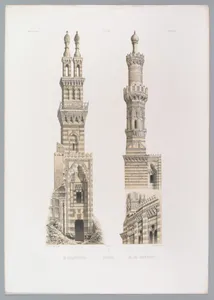
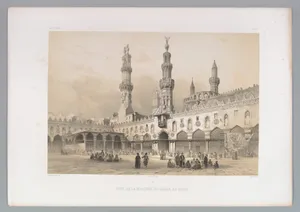
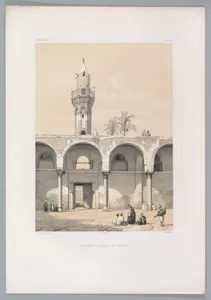
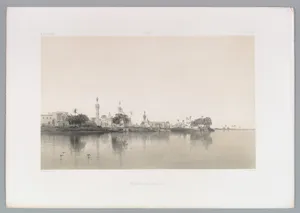
Returning to France, Girault de Prangey published *Monuments arabes d’Égypte, de Syrie et d’Asie mineure* (1846) with chromolithographs derived from his photographs and drawings, while contributing to local heritage through the Société historique et archéologique de Langres and the Musée archéologique de Langres, which he helped establish. He built the neo-Moorish Villa des Tuaires, now lost, showcasing his global plant collections and Andalusian motifs. Largely forgotten after his death, his daguerreotypes—rediscovered in his estate's attic in the 1920s—garnered acclaim in exhibitions like the Metropolitan Museum's *Monumental Journey* (2019), affirming his legacy as a trailblazer whose images preserve vanished monuments and elevated photography as an art form essential to cultural preservation.