Ctrl K
1894–1904
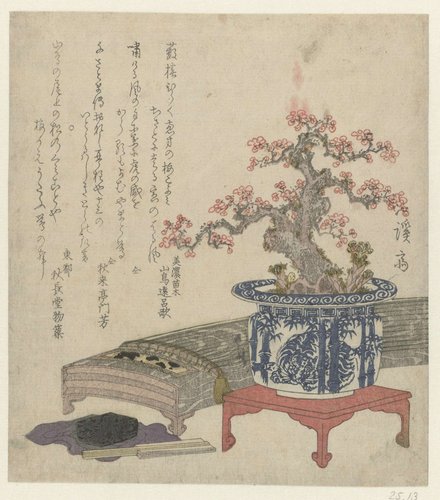
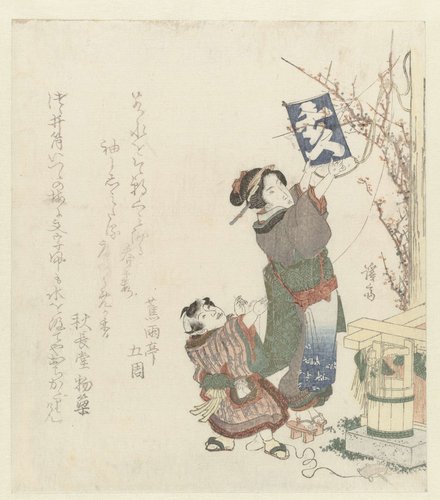
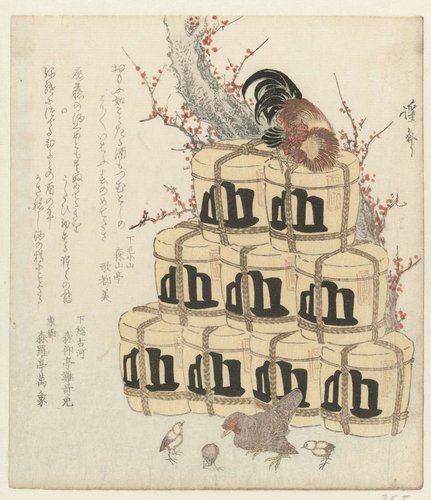
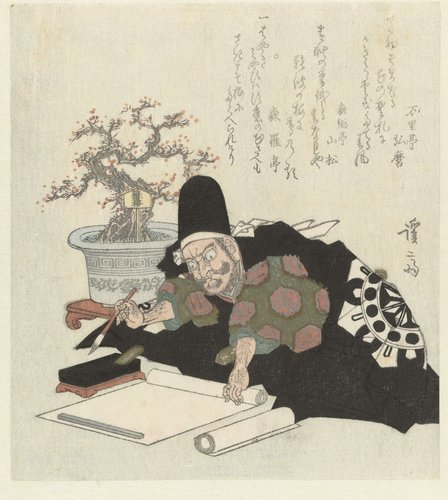
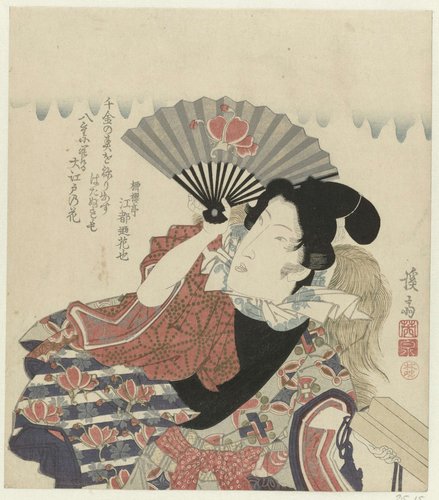
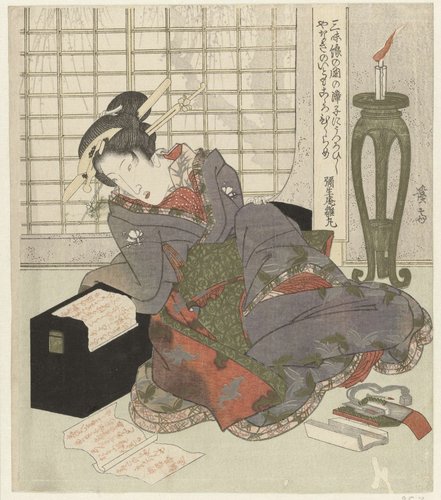
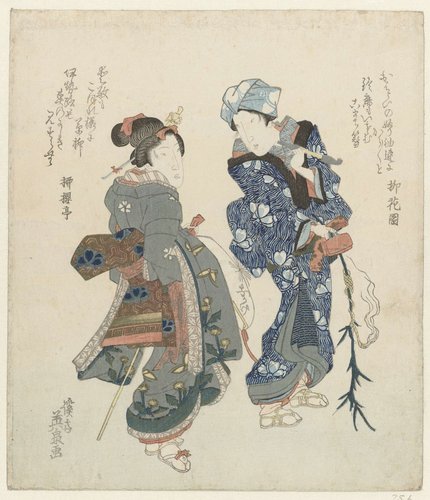
**Keisai Eisen (1790–1848)** was a prominent Japanese ukiyo-e artist of the late Edo period, best known for his bijin-ga, or pictures of beautiful women. Born Ikeda Zenjiro in Edo (modern Tokyo) into a samurai family, he was the son of a noted calligrapher. After his father’s death, he apprenticed to Kanō Hakkeisai of the Kanō school, adopting the name Keisai from his teacher, and later studied under Kikukawa Eizan.
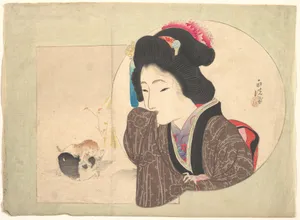
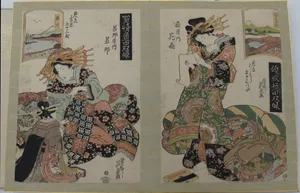
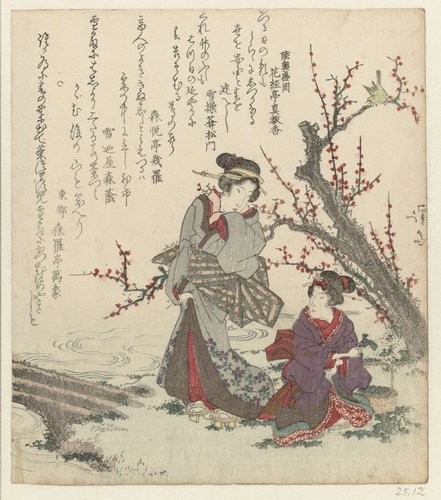
Eisen worked firmly in the ukiyo-e tradition, producing woodblock prints, paintings, and illustrations that captured the floating world of Edo’s entertainment districts. His style stood out for its more worldly and sensuous portrayal of women, moving away from the graceful elegance of earlier artists toward a bolder, less idealized sensuality. He excelled in ōkubi-e (large-head portraits) and full-length studies that highlighted contemporary fashions, courtesans, and geisha.
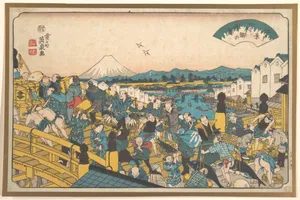
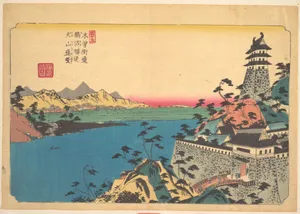
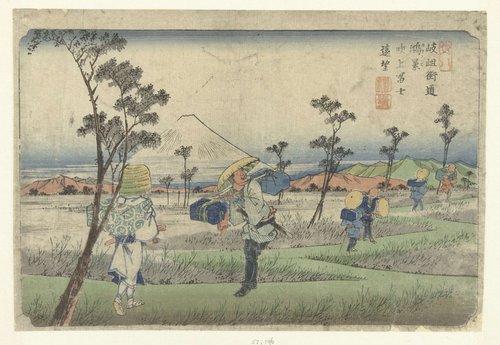
Among his major works are series such as *Toto geiko* (Courtesans of the Eastern Capital) and contributions to landscape projects like the *Kisokaidō* series, alongside numerous bijin-ga, shunga (erotic prints), and book illustrations. He was also a writer, authoring biographies and continuing the important reference *Ukiyo-e Ruikō*, a history of ukiyo-e artists.
Eisen’s legacy endures through his prolific output—hundreds of prints survive in museum collections worldwide—and his influence on the depiction of female beauty in Japanese printmaking. His realistic yet evocative style helped shape late ukiyo-e aesthetics before the arrival of photography and Western influences transformed the medium.