Ctrl K
1822–1902
Linnaeus Tripe (1822–1902), born in Devonport, England, as the ninth of twelve children to Mary and Cornelius Tripe, pursued a military career influenced by his sister Emily's marriage to an army colonel. Joining the East India Company's Madras Infantry as a cadet in 1838, he rose to lieutenant in southern India by 1840 and captain in Bangalore by 1854. Extended leave in England from 1850 due to ill health sparked his self-directed experiments with photography around 1851–1853, including early images of Devonport; he joined the Photographic Society of London in 1853.
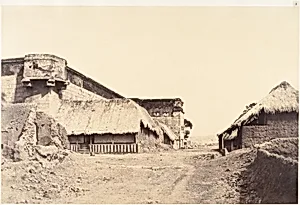
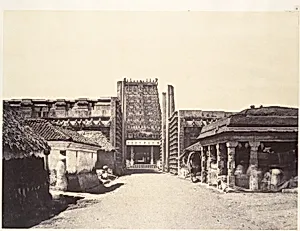
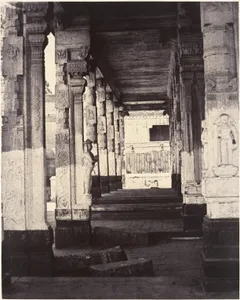
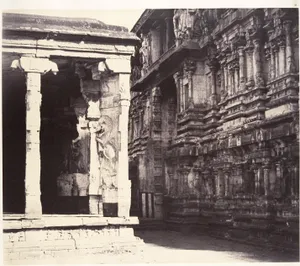
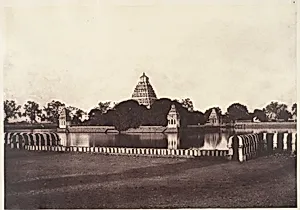
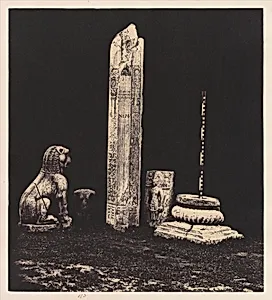
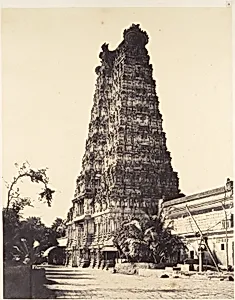
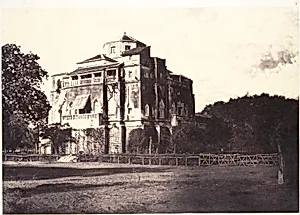
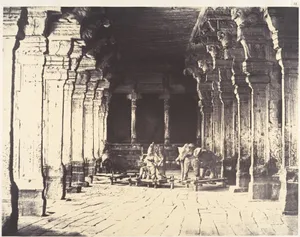
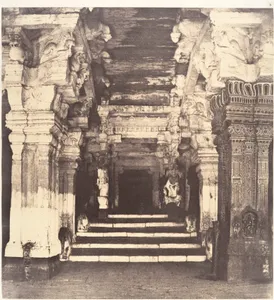
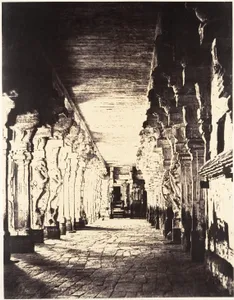
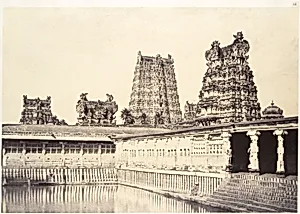
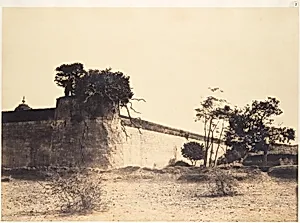
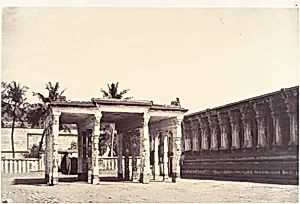
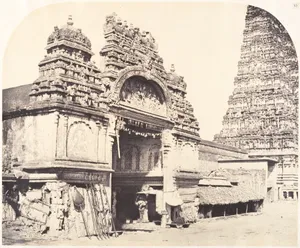
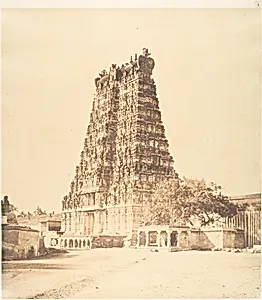
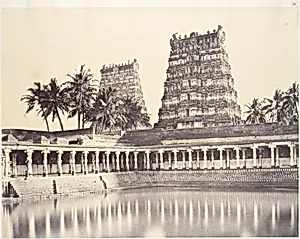
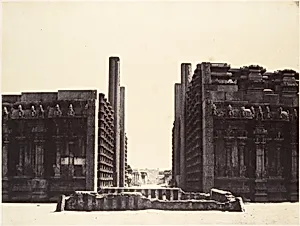
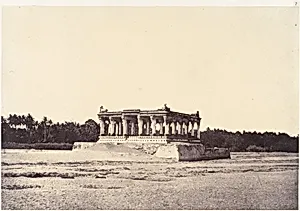
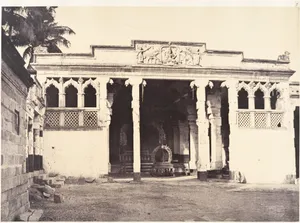
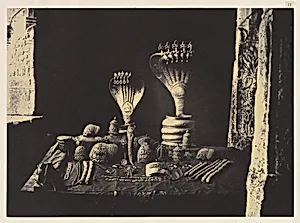
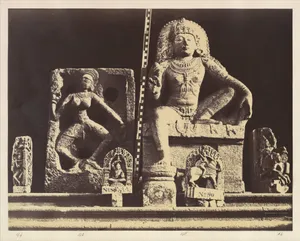
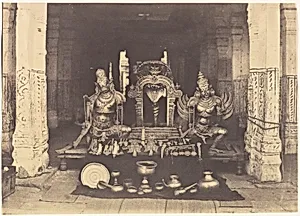
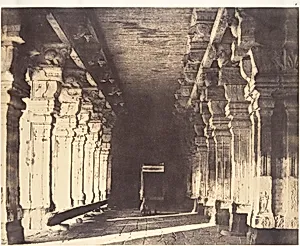
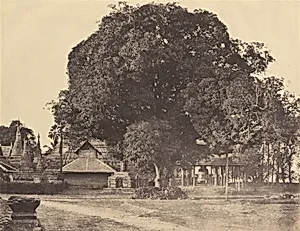
Returning to India, Tripe produced his first photographs there in December 1854, capturing Mysore temples; he exhibited 68 such views at the 1855 Madras Exhibition, earning a gold medal for their calotypes of Burmese architecture and ornament. Selected by Lord Dalhousie, he served as official photographer on the 1855 diplomatic mission to Burma led by Major Arthur Phayre and Henry Yule, yielding over 200 images compiled into *Views of Burma* (50 album sets printed), including *Ye-nan-gyoung Monastery* and *Pugahm Myo: Gauda-palen Pagoda* (1855). Appointed Government Photographer for Madras Presidency in 1857, he documented southern India's antiquities during 1857–1858 tours, producing works like the 19-foot *Tanjore Pagoda Panorama* (1858) and detailed views of the *Elliot Marbles* from Amaravati (1858); his 1858 *Photographs of Madura: Part III* features *The East Gopuram of the Great Pagoda*. A final series of Lower Burma landscapes followed in 1869 on glass negatives.
Tripe's style blended military surveyor's precision—level viewpoints, large-format waxed paper and glass negatives—with aesthetic enhancements like retouched skies, yielding documentary rigor amid heat and humidity that distinguished his architectural vistas, portraits, and artifacts from mere travel pictures. Post-1857 Indian Rebellion cutbacks ended his studio in 1859, forcing equipment sales, though assistant C. Iyahswamy continued as a photographer; Tripe resumed army duties, retiring as colonel in 1874.
Tripe's oeuvre, preserving now-lost or damaged sites like the Elliot Marbles, fills institutional collections, including 87 works at the V&A with Burmese pagodas (*Mengoon Pagoda from N.W.*, 1855) and Indian reliefs. Revived by the 2014–2015 exhibition *Captain Linnaeus Tripe: Photographer of India and Burma, 1852–1860* at the National Gallery of Art, Metropolitan Museum, and V&A, his pioneering images offer enduring visual records of colonial-era South Asia.