Ctrl K
1516–1570
Lucas van Doetecum was a Flemish printmaker and etcher active primarily in Antwerp during the mid-to-late sixteenth century. He is best known as the brother and frequent collaborator of Joannes van Doetecum the Elder (c. 1530–1605), with whom he formed one of the most productive engraving workshops of the period. The brothers originated from Deventer and relocated to Antwerp, where they worked for leading publishers including Hieronymus Cock and Gerard de Jode.
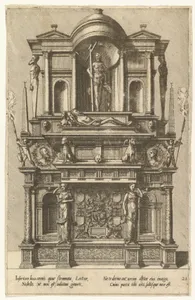
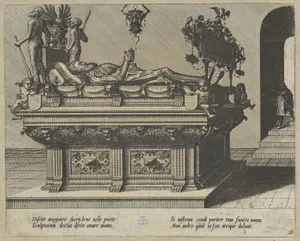
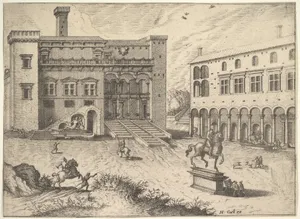
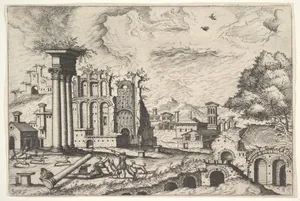
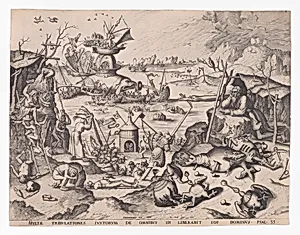
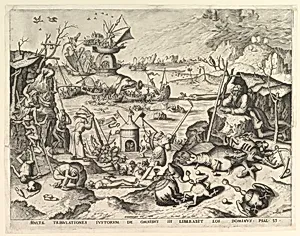
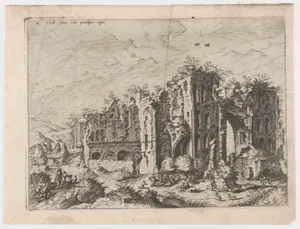
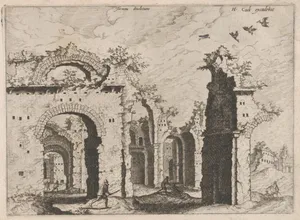
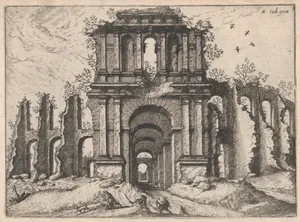
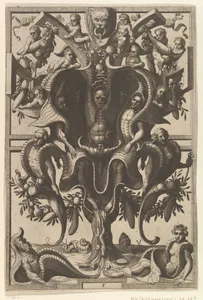
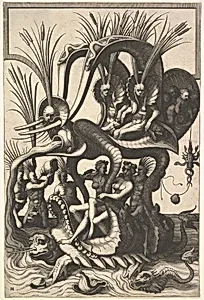
Early life details for Lucas remain sparsely recorded, but the siblings quickly established a reputation for their distinctive etching technique, which closely imitated the precision and tonal gradations of engraving with remarkable efficiency. Their output encompassed landscapes after Pieter Bruegel the Elder and the Master of the Small Landscapes, ornamental designs after Cornelis Floris and Hans Vredeman de Vries, as well as maps and architectural views.
Together they produced numerous print series that circulated widely across Europe, contributing significantly to the dissemination of Netherlandish imagery and cartography. Lucas’s documented activity spans roughly 1554 to 1572, after which he appears to have died in the early 1580s.
The van Doetecum brothers are now recognized as original and influential graphic artists rather than mere reproductive engravers, thanks to modern scholarship that highlights their technical innovations and role in the Antwerp print trade. Their work helped shape the visual culture of the Dutch Golden Age and supported major cartographic projects that aided exploration and navigation. With over a hundred prints attributed to Lucas in major collections today, his legacy endures in the history of European printmaking.
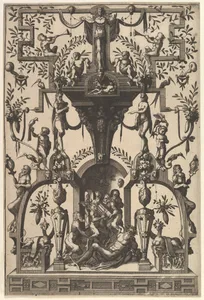
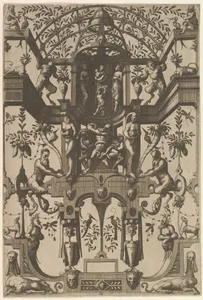
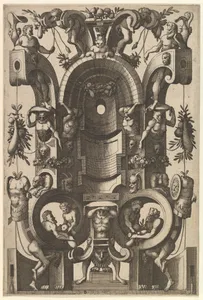
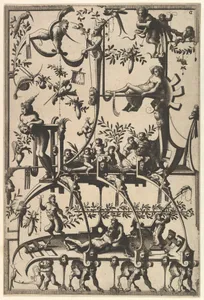
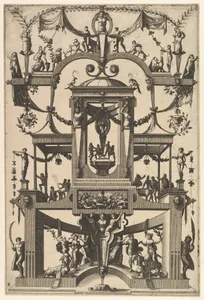
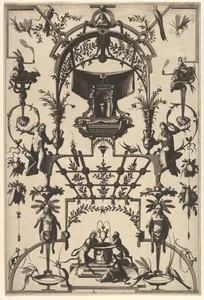
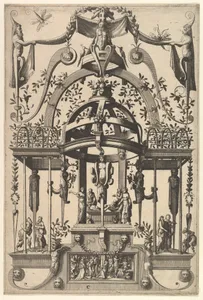
![[Four plates of ornamental panels]](https://images.artheonmuseum.org/met/dp/thumb/four-plates-of-ornamental-panels-344112.webp)