
Ctrl K
1818–1891
**Luigi Pesce (1828–1864)** was an Italian colonel and pioneering amateur photographer from Naples in the Kingdom of the Two Sicilies, whose work captured some of the earliest images of Iran's ancient monuments and 19th-century life. Arriving in Persia in 1848 during the reign of Naser al-Din Shah Qajar, Pesce was tasked with training Iranian infantry units, a mission that positioned him ideally to document the region's architectural wonders and social landscapes. A multilingual talent fluent in Persian, Turkish, and Greek, he self-funded an expedition in the early 1850s, producing a groundbreaking photographic album presented to the Shah on April 29, 1858. Copies of this work were also gifted to Prussia's King William I and later acquired by New York's Metropolitan Museum of Art, comprising around 75 salted paper and albumen silver prints from paper negatives dating 1852–1855.
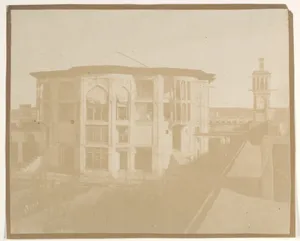
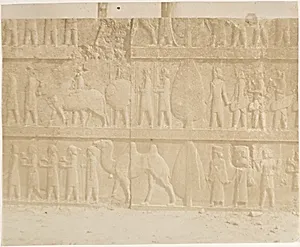
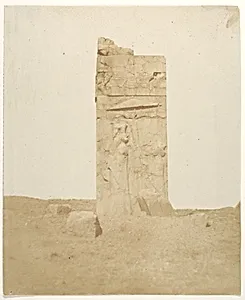
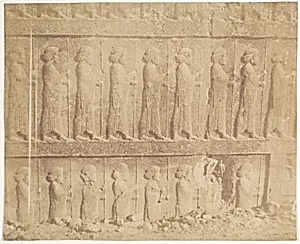
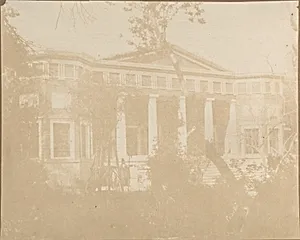
Pesce's technical prowess with the calotype process—yielding detailed, atmospheric images—marked him as the first to photograph iconic Achaemenid sites like Persepolis, Pasargadae, and Naqsh-e Rustam, surpassing even the Shah's own failed attempts with earlier daguerreotypists. His compositions, such as views of Persepolis' ancient gates, the New Gate in Tehran, the Imam Reza Shrine in Mashhad, and Sasanian reliefs at Naqsh-i Rustam, blend documentary precision with an eye for hierarchy and daily life, rarely featuring women and often highlighting elite figures, including portraits of the young Shah himself. These works, including contributions to collaborative albums like *The Wilkinson Album*, showcase his mastery of early wet-plate techniques amid challenging desert conditions.
Though his early life and formal training remain sparsely documented, Pesce's legacy endures as a bridge between military service and artistic innovation, introducing photography to Iran and preserving its heritage for posterity. His album earned an honorary award at the 1867 World Harris Exhibition, and his images continue to illuminate Persian antiquity in major collections, such as the Met's extensive holdings of his prints. Buried alongside his wife in Tehran's Doulab Cemetery, Pesce's brief but impactful career (cut short at age 36) forever etched Iran's splendor into photographic history.
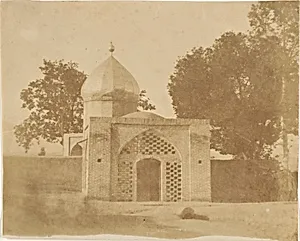
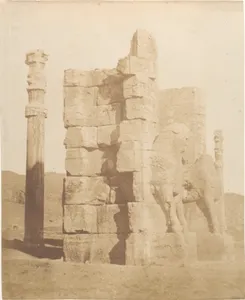
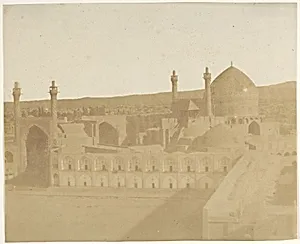
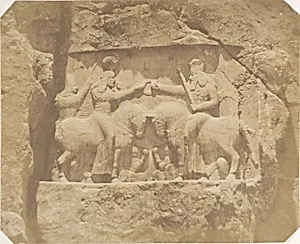
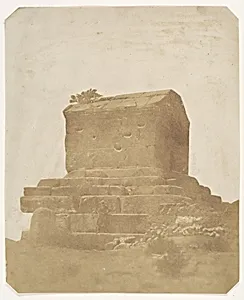
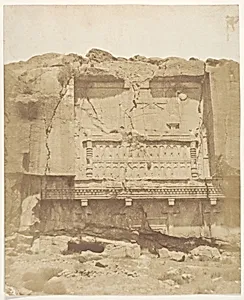
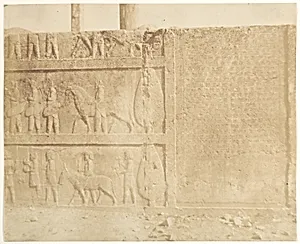
![L'antica porta d'ingrezza a Persepolis]](https://images.artheonmuseum.org/met/ph/thumb/l-antica-porta-d-ingrezza-a-persepolis-271272.webp)
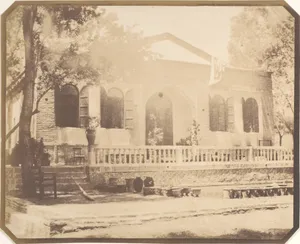
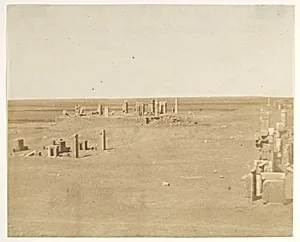
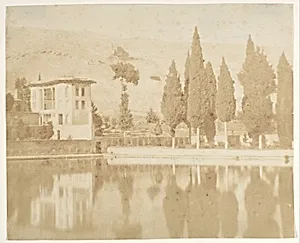
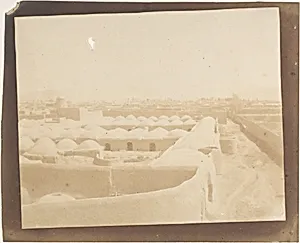
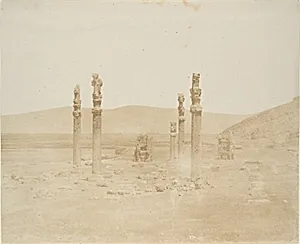
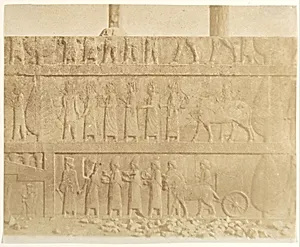
![[Persepolis]](https://images.artheonmuseum.org/met/ph/thumb/persepolis-262203.webp)
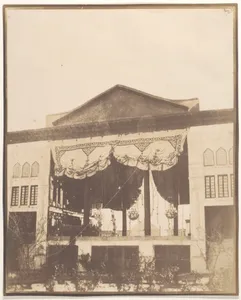
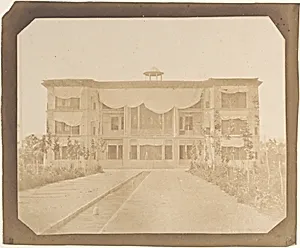
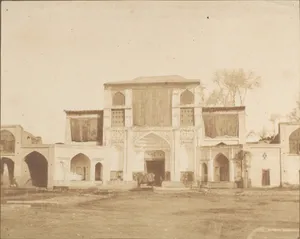
![[Palace of the Shah]](https://images.artheonmuseum.org/met/ph/thumb/palace-of-the-shah-262200.webp)