Ctrl K
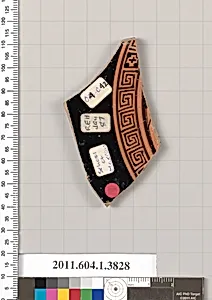
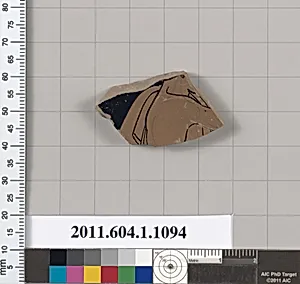
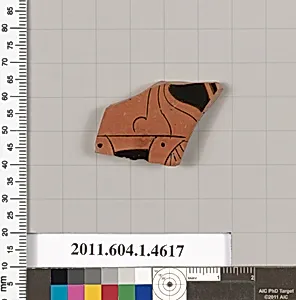
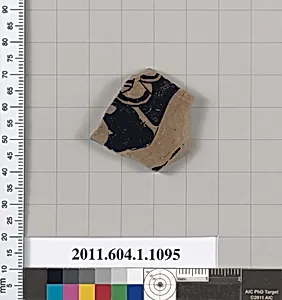
Makron stands as one of the most prolific masters of Attic red-figure vase painting, active in Athens around 490–480 BC during the late Archaic to early Classical transition.) Little is known of his early life or formal training, as such details remain undocumented for many ancient potters and painters of this era. Exclusively employing the red-figure technique—which allowed for intricate detailing by leaving figures in the natural clay color against a black-gloss background—Makron specialized in cups like kylikes and skyphoi, though he occasionally decorated other shapes.) Sir John Beazley attributed some 350 vases to his hand based on stylistic analysis, with later scholarship expanding that to over 500, underscoring his extraordinary output.)
Makron's career is defined by his steady partnership with the potter Hieron, a collaboration that set them apart from the era's more itinerant workshops. Hieron signed around 56 vases as maker ("Hieron epoiesen"), nearly all attributed to Makron by Beazley, including over 30 joint pieces; Makron himself signed only one or possibly two as painter ("Makron egrapsen").) This duo produced elegant, thin-walled vessels, often exported to Etruscan tombs in Italy, as evidenced by finds from Vulci, Orvieto, and Nola.
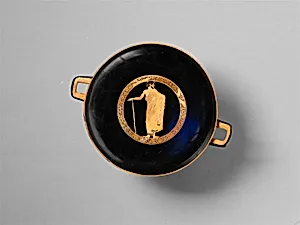
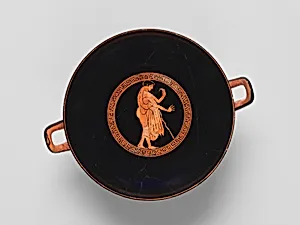
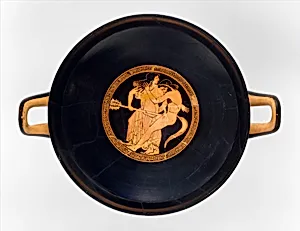
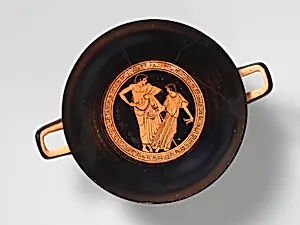
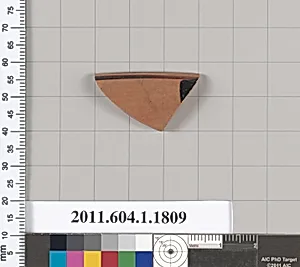
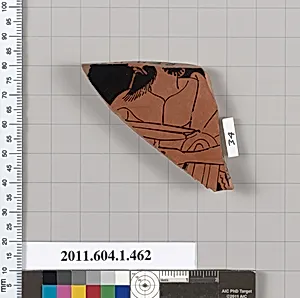
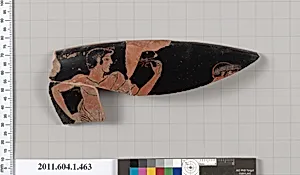
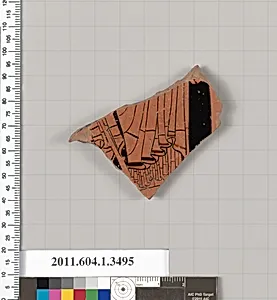
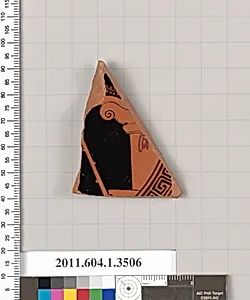
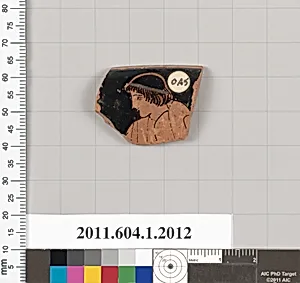
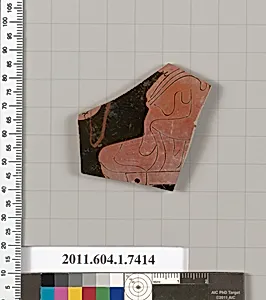
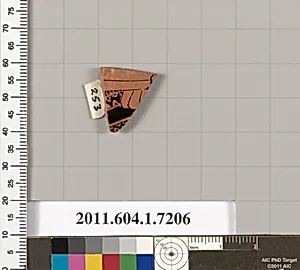
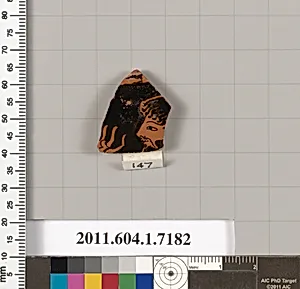
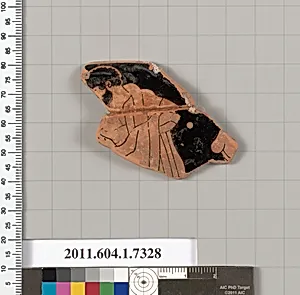
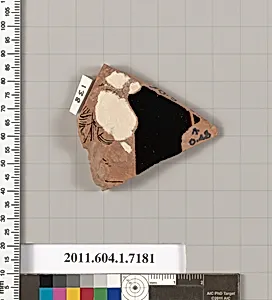
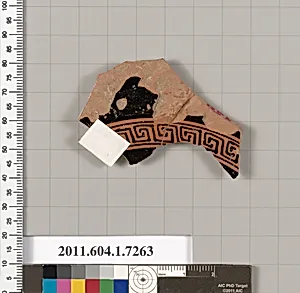
His compositions brim with vivacity, favoring symposia revelry, athletic youths, and erotica from daily life, alongside select myths. Figures display meticulous grooming, flowing drapery, and dynamic poses—flying skirts and windswept hair adding motion, as in a Metropolitan Museum kylix (ca. 490–480 BC) with satyrs and maenads in animal pelts. Iconic works include the signed "Helen skyphos" (Boston MFA, early 5th century BC; Hieron maker), where Paris leads Helen with Eros overhead on one side, and Menelaus threatens her on the other, amid Priam and Aeneas; and a Louvre cup (G 149, ca. 480 BC) with a libation scene.) Our virtual museum holds 192 such treasures attributed to him.
Makron's legacy endures as a pinnacle of red-figure innovation, bridging Archaic exuberance and Classical poise. His prolificacy and Hieron's craftsmanship helped cement Athens as the red-figure epicenter, influencing successors like the Brygos Painter while preserving vivid snapshots of ancient sympotic culture.)