Ctrl K
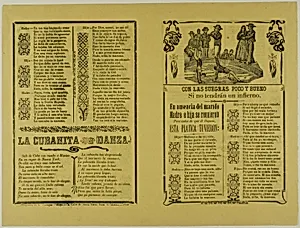
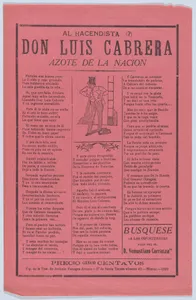
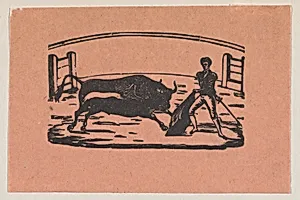
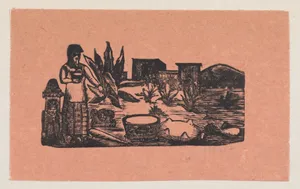
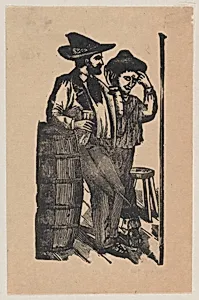
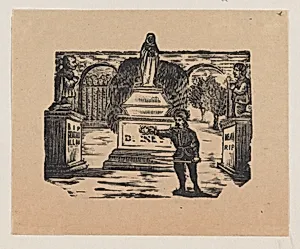
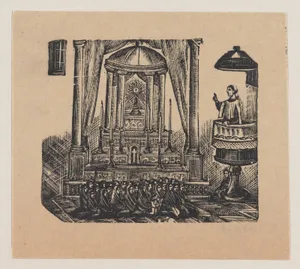
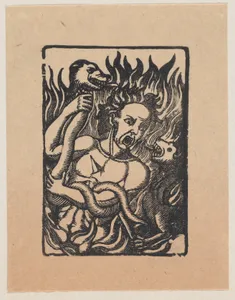
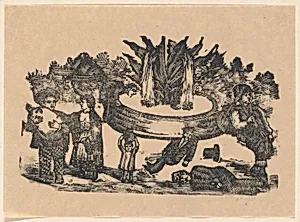
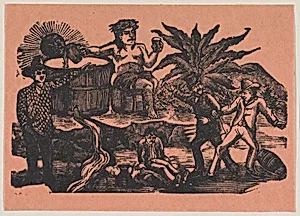
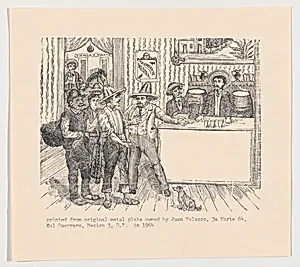
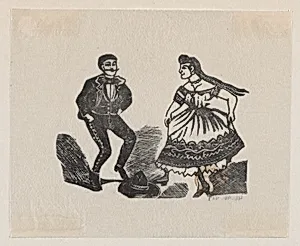
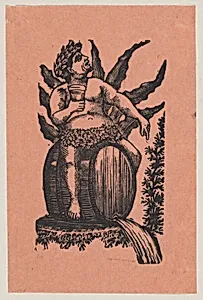
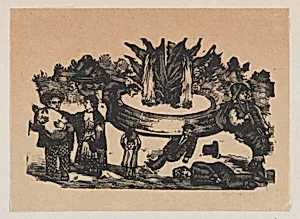
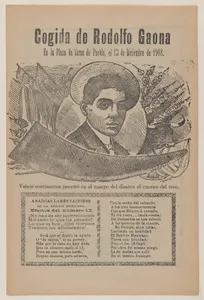
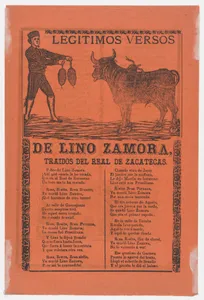
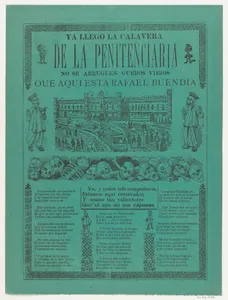
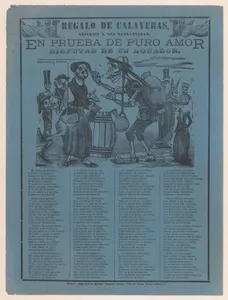
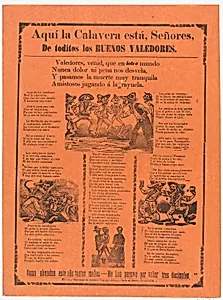
Manuel Manilla was a Mexican engraver and printmaker active in Mexico City during the late nineteenth century, where he became one of the most prolific popular artists of his era. Working primarily for the publishing house of Antonio Vanegas Arroyo, Manilla produced hundreds of woodcut and metal engravings that illustrated broadsheets, corridos, and cheap printed literature consumed by a wide urban audience. His imagery drew deeply on Mexican folk tradition, giving vivid visual form to stories of crime, miracles, disasters, and death.
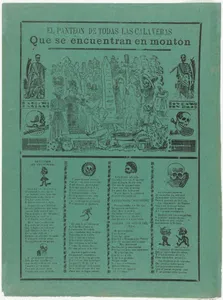
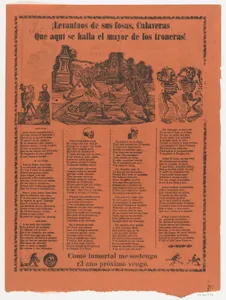
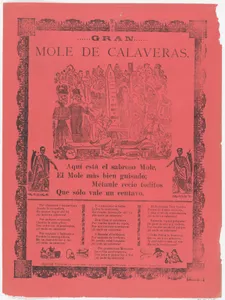
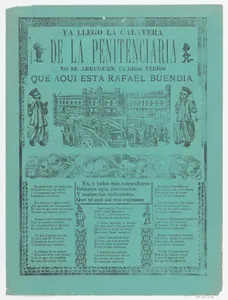
Manilla is particularly celebrated for his depictions of calaveras — skeletal figures rendered with wit and dark humor — which became central to the visual language of Día de los Muertos imagery in popular print culture. His skeletons dance, play music, and enact scenes of everyday Mexican life with an irreverence that transforms mortality into a subject of communal laughter and reflection. This tradition of calavera imagery would later be taken up and elaborated by José Guadalupe Posada, who worked in the same printshop and whose fame has at times overshadowed Manilla's foundational contributions.
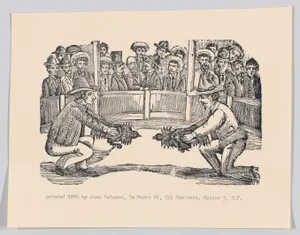
Manilla's technical approach was shaped by the demands of rapid, affordable production rather than academic refinement, yet his compositions display a strong sense of design and a gift for expressive line. His figures are energetic, his scenes densely populated, and his storytelling instincts are sharp — qualities that made his work immediately legible to a broad popular audience.
Today Manilla is recognized as a key figure in the history of Mexican popular print culture and an important precursor to the graphic traditions that would later feed into muralism and political art. His prints are held in museum collections and studied as essential documents of nineteenth-century Mexican visual and social life.