Ctrl K
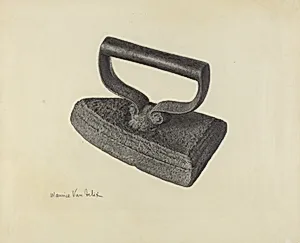
Maurice Van Felix was born on March 16, 1889, in Łódź, Poland, and later became a prominent figure in American art circles after immigrating to the United States. His early training took place in Poland and France, where he honed his skills as a painter and etcher before settling in Brooklyn, New York, by 1919. Though details of his formal education remain sparse, Van Felix quickly established himself through competitive exhibitions, earning accolades such as a silver medal, a bronze medal, a scholarship to Paris, and top prize in the European travel award at New York's Washington Square Exhibit. He also showed at the Society of Independent Artists in 1919 and the Salons of America in 1934, reflecting his integration into the vibrant New York art scene.
Van Felix's style was rooted in representational realism, capturing everyday American life and landscapes with meticulous detail. Active primarily in New York, New Jersey, and eastern Long Island, he was a member of the Salmagundi Club and the American Artists Professional League, groups that championed traditional techniques. His oil paintings often depicted serene waterfronts, docks, and seasonal landscapes, as seen in works like *Autumnal Landscape* (c. 1930s), *Cottage by the Sea*, *Dock Scene*, and *Lakes Bay at Pleasantville, N.J.* These pieces, frequently on canvas or board, evoke the quiet beauty of coastal and rural America, with a particular affinity for boat scenes and inlets.
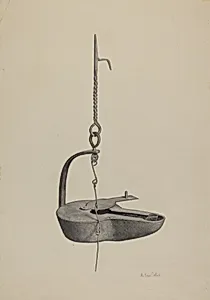
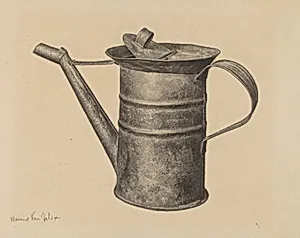
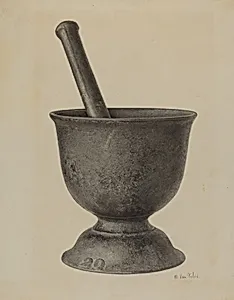
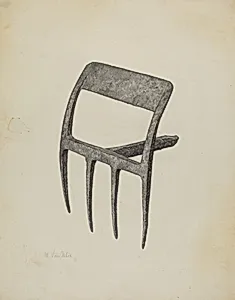
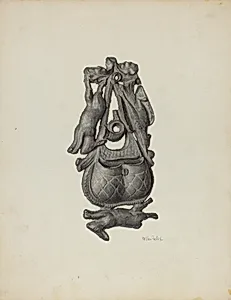
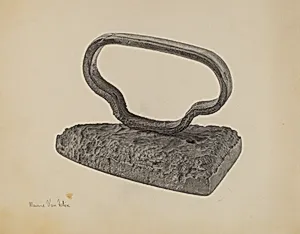
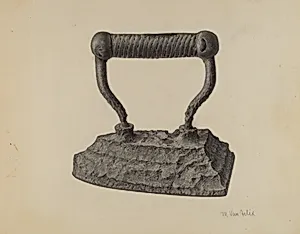
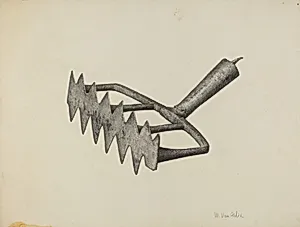
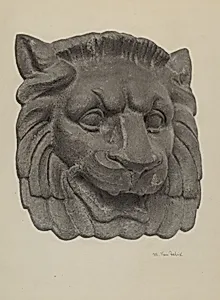
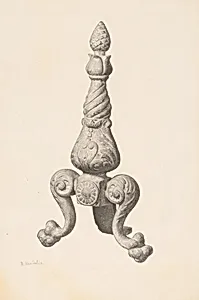
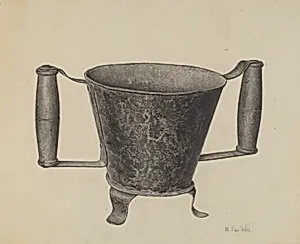
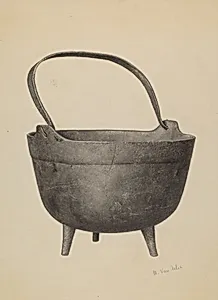
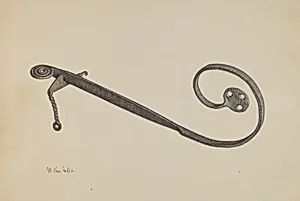
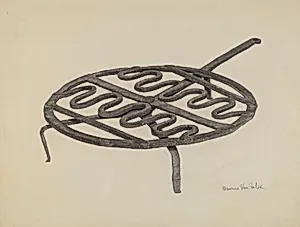
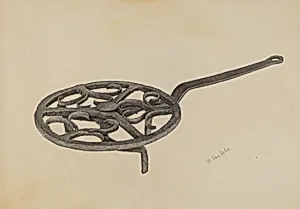
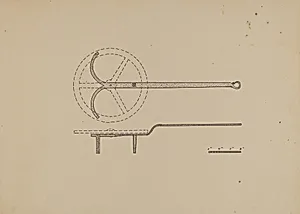
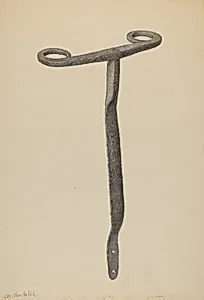
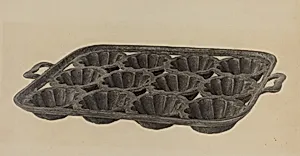
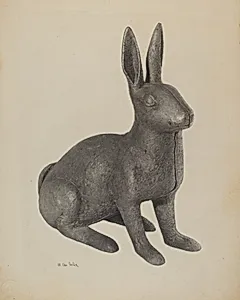
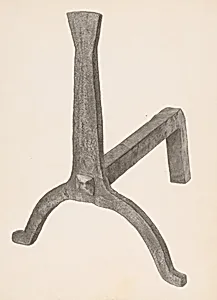
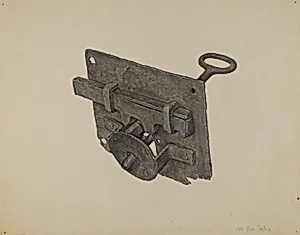
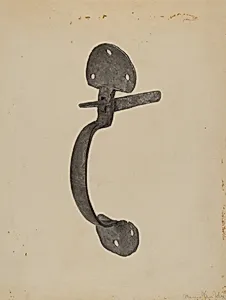
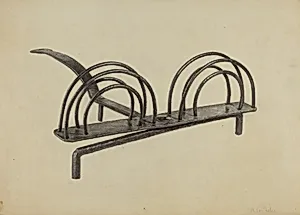
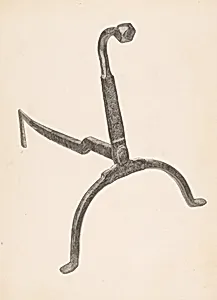
A significant chapter of his career unfolded during the 1930s and 1940s through his contributions to the Index of American Design, a Federal Art Project under the Works Progress Administration. Van Felix produced dozens of precise graphite drawings documenting folk art and utilitarian objects, including *Oil Can* (c. 1941), *Flatiron* (1935/1942), *Pa. German Hoe* (1941), *Muffin Pan* (c. 1939), *Garden Gate Latch* (c. 1940), and *Mortar and Pestle* (c. 1941). The National Gallery of Art holds 29 such works, preserving his renderings of items like betty lamps, fire dogs, and garden figures. He also created Jewish-themed pieces, such as *Hebrew Boy with the Locks* and *Blowing Rams Horn*, blending cultural heritage with his draftsmanship.
Van Felix passed away on March 11, 1969, in Atlantic City, New Jersey, leaving a legacy as a dedicated chronicler of American material culture and landscape traditions. His auction appearances and institutional holdings underscore his enduring appeal among collectors of regionalist and folk art, ensuring his precise visions of everyday objects and seascapes continue to educate and inspire.