Ctrl K
1865–1941
Norman de Garis Davies (1865–1941) was a British Egyptologist and archaeological artist whose meticulous copies of ancient Egyptian tomb paintings constitute one of the most important records of pharaonic art ever made. Born in Ashton-under-Lyne, Lancashire, he originally trained for the ministry before being drawn into Egyptology through his involvement with the Egypt Exploration Fund in the 1890s. He possessed an extraordinary combination of scholarly knowledge and drafting skill that made him uniquely suited to the painstaking work of facsimile documentation.
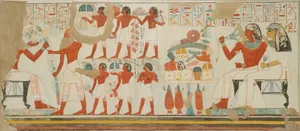
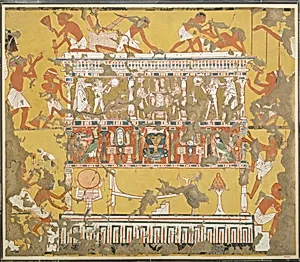
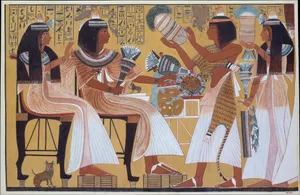
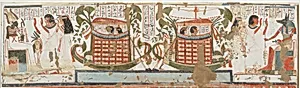
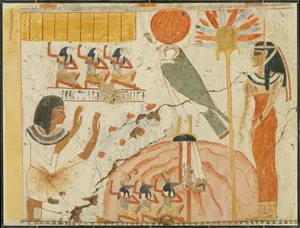
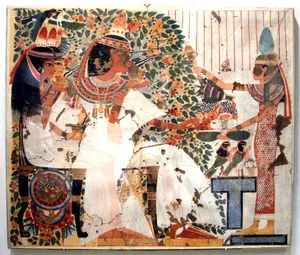
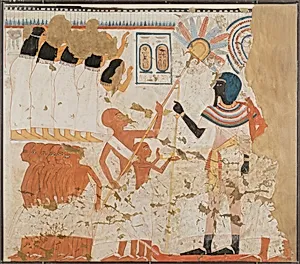
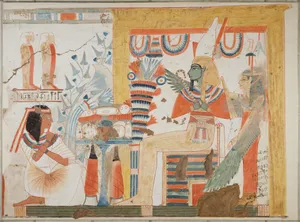
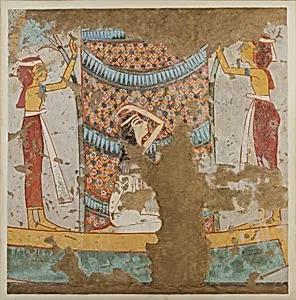
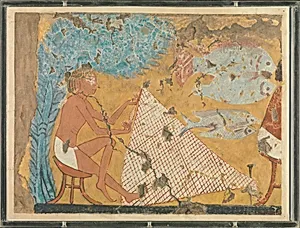
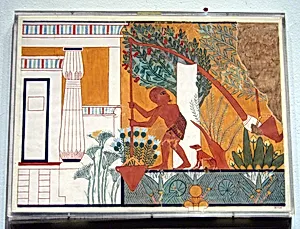
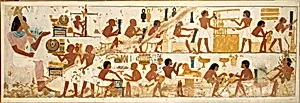
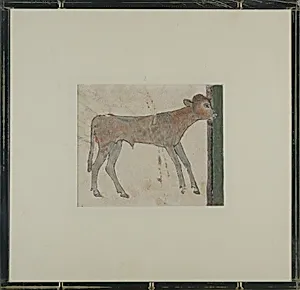
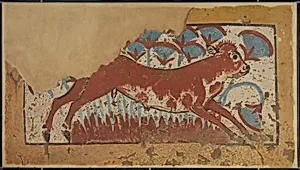
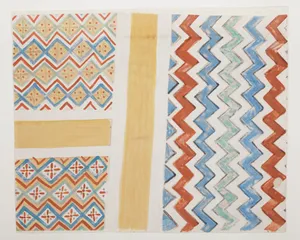
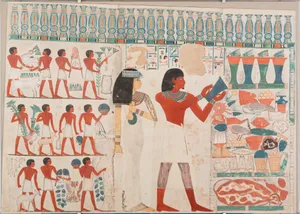
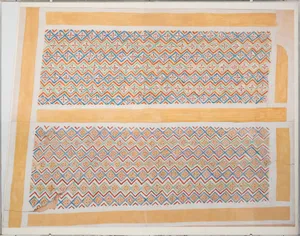
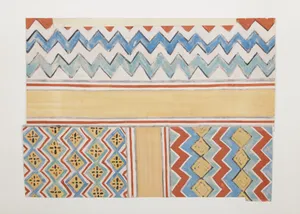
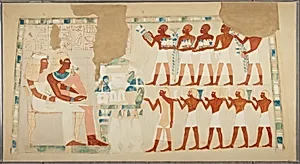
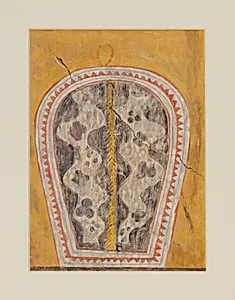
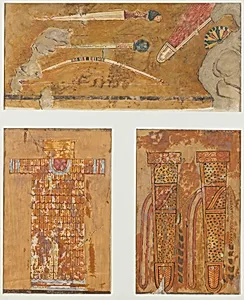
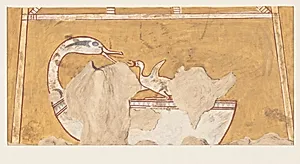
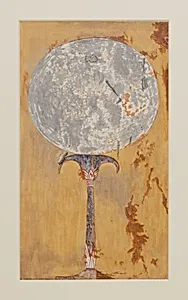
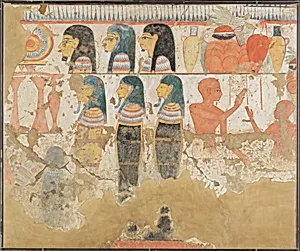
Davies spent the greater part of his career in Egypt, much of it based at Thebes (modern Luxor), working in the decorated tombs of the New Kingdom nobility. His method was to produce hand-painted facsimiles of tomb scenes at exact scale, rendering colors, hieroglyphs, and figures with a fidelity that has proven invaluable to scholars — particularly as many of the originals have deteriorated or been damaged since his time. He worked extensively under the auspices of the Metropolitan Museum of Art in New York, and large holdings of his copies are preserved there. His wife, Nina de Garis Davies, was herself a gifted facsimilist who collaborated with him on many projects.
Davies published prolifically, producing multivolume studies of individual tombs at Thebes and elsewhere, including the celebrated series on the tombs of the nobles. These publications remain standard references in Egyptological scholarship. He also worked at sites including Amarna, where he documented the distinctive art of the Akhenaten period.
His legacy is that of a scholar-artist who served as a bridge between the ancient world and modern scholarship. The facsimiles he produced are not merely reproductions but works of art in their own right, and they continue to underpin research into ancient Egyptian visual culture.