Ctrl K
1877–1945
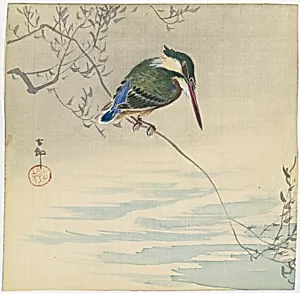
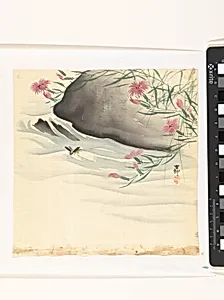
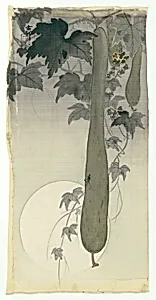
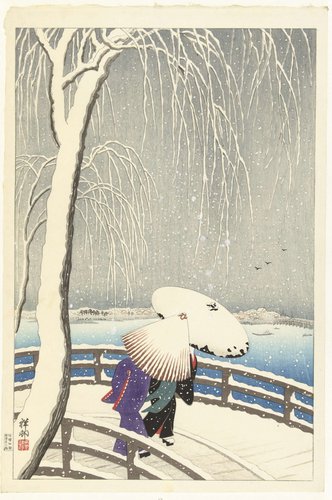
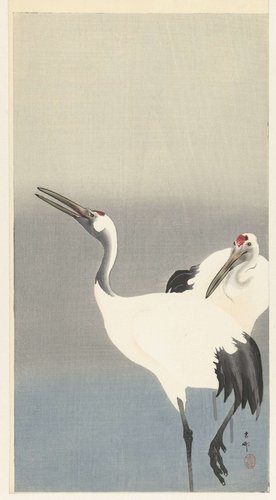
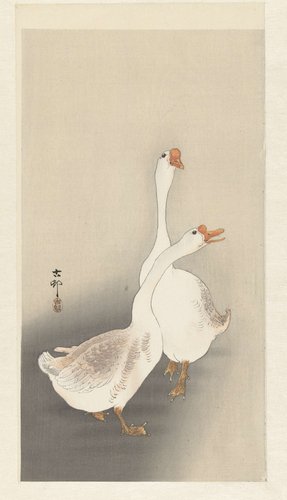
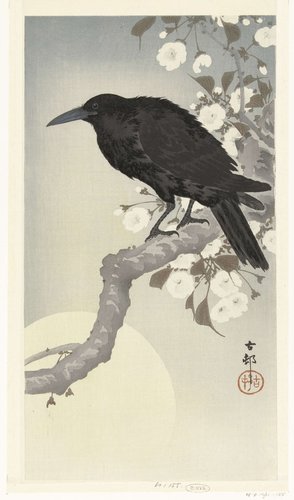
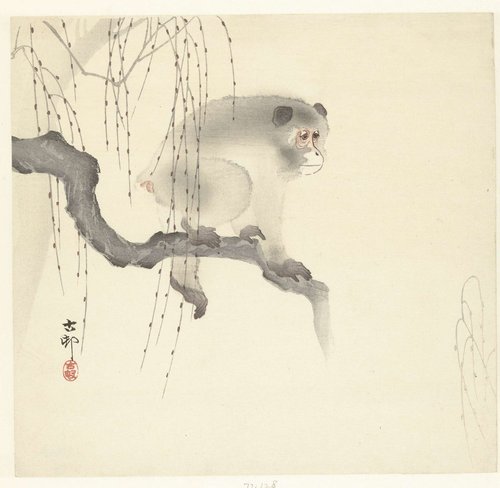
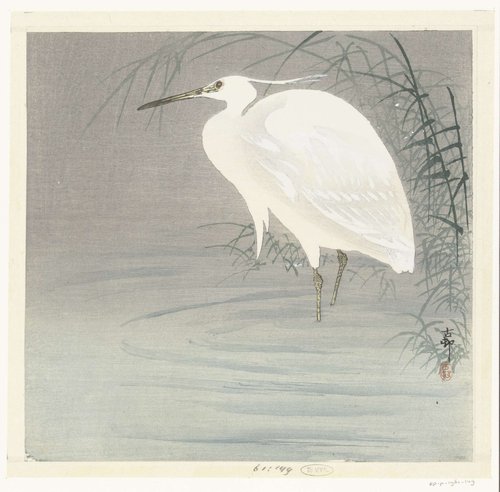
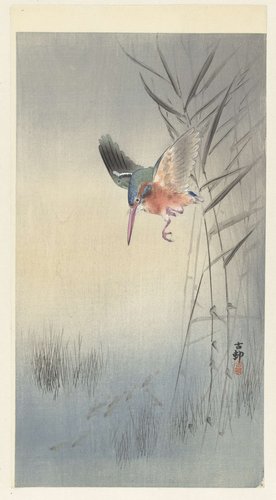
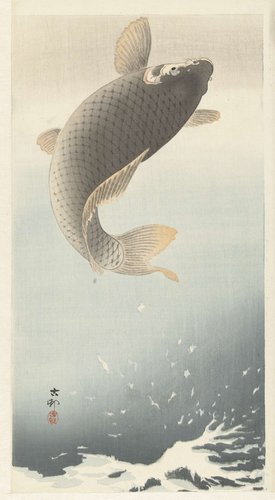
Ohara Koson (1877-1945) was the most successful ukiyo-e artist of the shin-hanga period, renowned for his mastery of kacho-e (bird-and-flower prints). Born in Kanazawa and dying in Tokyo, Koson produced approximately 500 prints during a prolific career that spanned the late Meiji, Taisho, and early Showa periods. His work exemplifies the shin-hanga movement's successful adaptation of traditional Japanese woodblock printing techniques to modern aesthetic sensibilities and international markets. Koson's career demonstrates the complex dynamics of early twentieth-century Japanese printmaking, working with multiple publishers and using different artist names depending on his collaborations. He signed his work variously as Ohara Koson, Ohara Shoson (from 1912), and Ohara Hoson, names corresponding to different publishers. Though he briefly produced war prints during the Russo-Japanese War, the vast majority of his work focused on nature subjects designed for North American and European markets. His association with publisher Watanabe Shozaburo brought international exhibition opportunities, and his prints sold particularly well in the United States. After his death in 1945, Koson's work was largely forgotten until renewed collector interest in the 1970s established him as one of the most sought-after shin-hanga artists.
Ohara Koson was born in 1877 in Kanazawa, Ishikawa Prefecture, in northern Japan. He pursued studies in Japanese painting under the tutelage of Suzuki Koson, from whom he adopted his artist pseudonym. His training grounded him in traditional Japanese painting techniques while preparing him for the innovative shin-hanga movement that would emerge in the early twentieth century.
Koson's early print production (1900-1912) established his reputation in bird-and-flower subjects. He initially worked with publishers Akiyama Buemon (Kokkeidō) and Matsuki Heikichi (Daikokuya), signing his work "Koson." During the Russo-Japanese War, he briefly produced senso-e (war prints), but quickly returned to his preferred nature subjects. The vast majority of his early prints were kacho-e designs created specifically for North American and European markets, demonstrating the international orientation of the shin-hanga movement from its inception.
Around 1926, Koson began his important association with publisher Watanabe Shozaburo, signing his works "Shoson." This collaboration proved crucial to his international reputation, as Watanabe exhibited Koson's work abroad, leading to strong sales particularly in the United States. Koson also worked with publisher Kawaguchi, signing these works "Hoson." Throughout his career, he created approximately 500 prints, primarily depicting birds, plants, and other animals with exceptional technical skill and aesthetic refinement. His mastery of the kacho-e genre made him the most successful artist in this category during the shin-hanga period. Koson died at his home in Tokyo in 1945, at the end of World War II.
Artheon Research Team
Last updated: 2025-11-09
Biography length: ~476 words