Ctrl K
1561–1639
Paul Birckenhultz (1561–1634), also known as Paul Birckenholtz, was a German goldsmith, engraver, and draftsman born in Aachen. Little is known about his early life or formal training, though he emerged as a skilled artisan in the late Renaissance tradition of ornamental design. By the late 1580s, Birckenhultz had traveled extensively, working in Paris and Rome before settling permanently in Frankfurt around 1590, where he became a citizen of the Free City and pursued his multifaceted career until his death on March 19, 1634. He fathered at least two sons, Nicolaus and another Paul Birckenholtz, continuing a family line in the crafts.
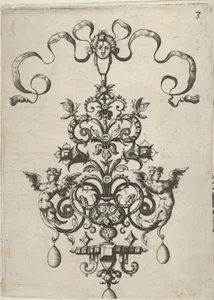
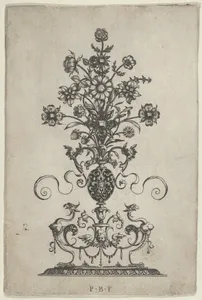
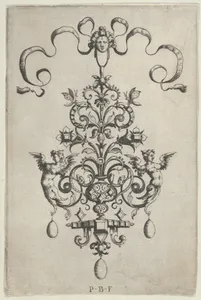
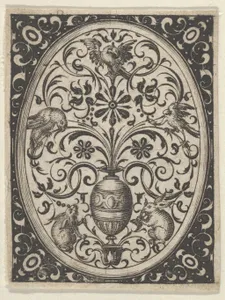
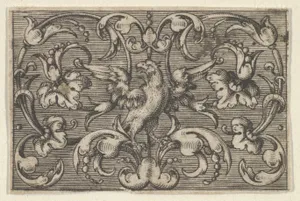
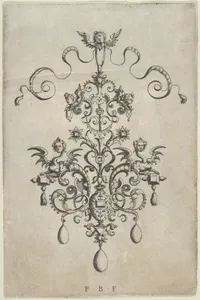
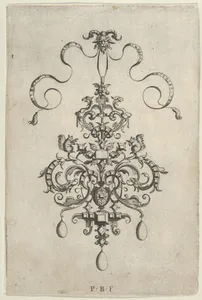
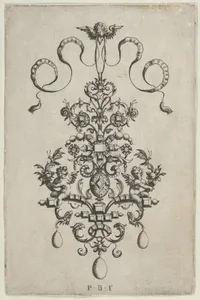
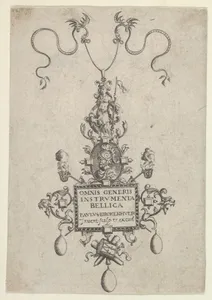
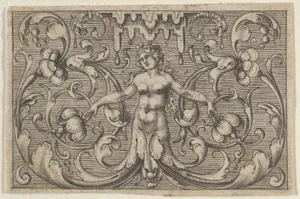
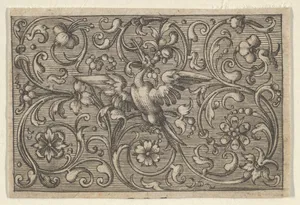
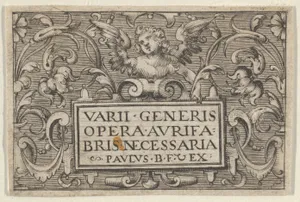
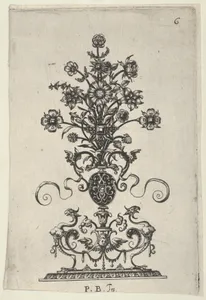
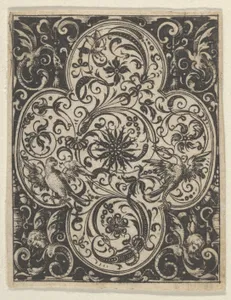
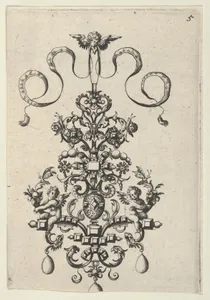
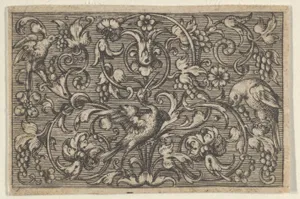
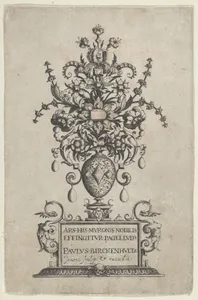
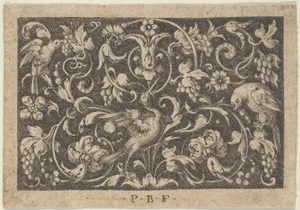
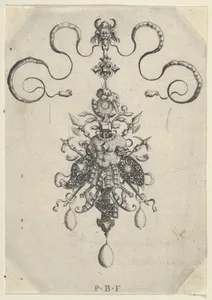
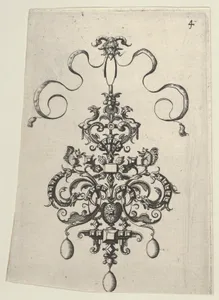
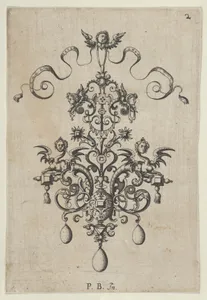
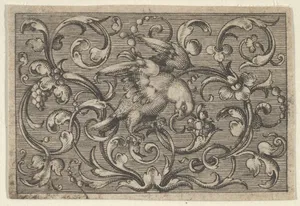
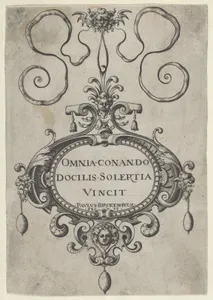
Birckenhultz specialized in intricate engravings serving as Vorlagen—templates—for goldsmiths, featuring grotesque motifs, floral scrolls, birds, vases, and jeweled pendants densely packed with pearls, fruits, and fantastical elements. His style epitomized the ornate, auricular tendencies of late 16th- and early 17th-century German ornamental printmaking, bridging Mannerist complexity with practical utility for jewelry and metalwork. Working in Frankfurt, a hub for such designers alongside contemporaries like Theodor de Bry, he produced finely hatched plates that captured the era's fascination with lavish, strapwork-inspired decoration.
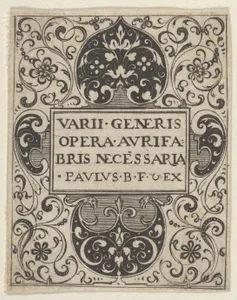
Among his major works are the series *Varii Generis Opera Aurifabris Necessaria* (ca. 1600), with plates like *Horizontal Panel with a Bird* and *Oval Design in Blackwork*, held in the Metropolitan Museum of Art; *Ars His Myronis Nobilis Effingitus Pagellulis*, offering pendant designs with grotesques and pearls in the V&A; and *Omnia Conando Docilis Solertia Vincit*, floral ornaments evoking resilient ingenuity. He also crafted actual objects, such as a standing cup dated 1632–34. Approximately 30 engravings survive, alongside references to nearly 100 plates he invented and etched.
Birckenhultz's legacy endures in museum collections worldwide, from the British Museum to the Westphalian State Museum, where his prints influenced goldsmithing patterns across Europe. His designs fueled the decorative arts during the transition to Baroque opulence, embodying Frankfurt's role as a center for innovative metalwork and print innovation, even as biographical details remain elusive.