Ctrl K
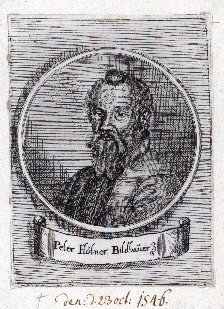
1485–1546
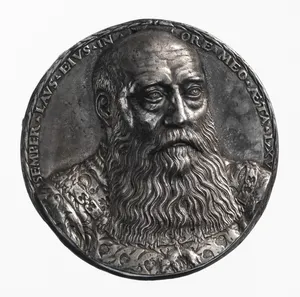
Peter Flötner (c. 1485–1546) was a German sculptor, ornament designer, and medalist whose work played a central role in the transmission of Italian Renaissance decorative vocabulary into the German-speaking lands. Though his exact origins remain uncertain — he may have trained in Augsburg before settling permanently in Nuremberg around 1522 — his formation evidently included exposure to Italian Renaissance design, whether through direct travel or through the growing flood of printed ornament that carried southern European imagery northward in the early sixteenth century.
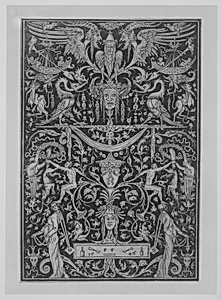
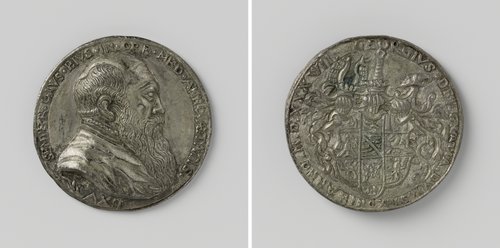
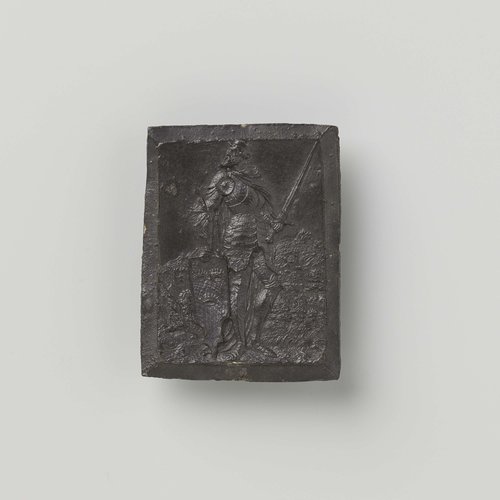
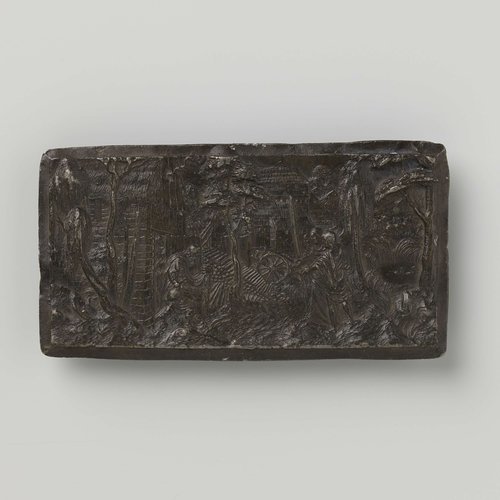
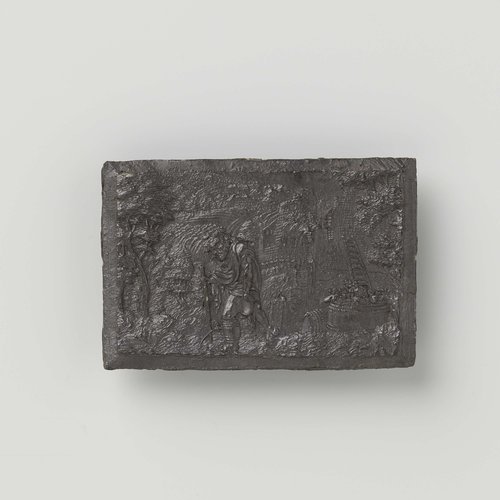
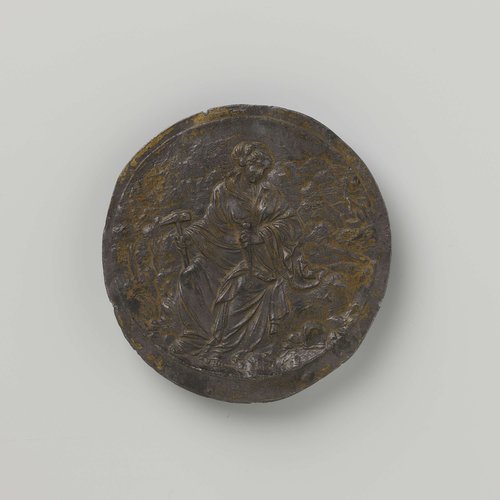
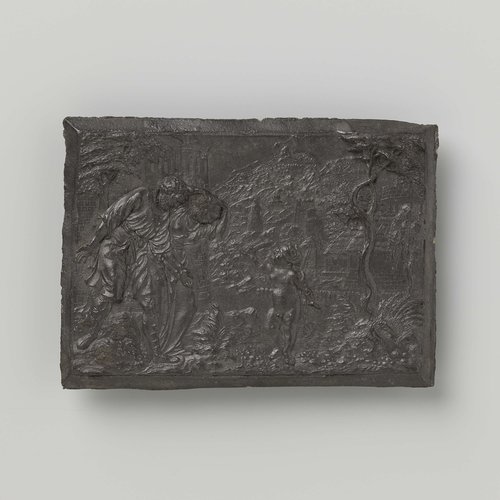
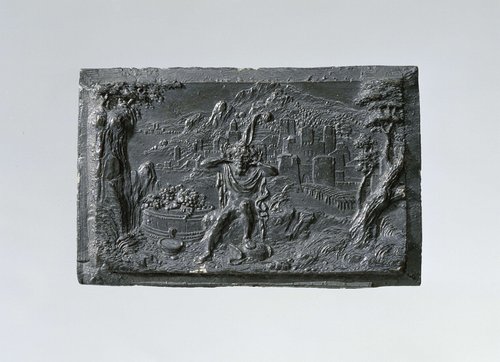
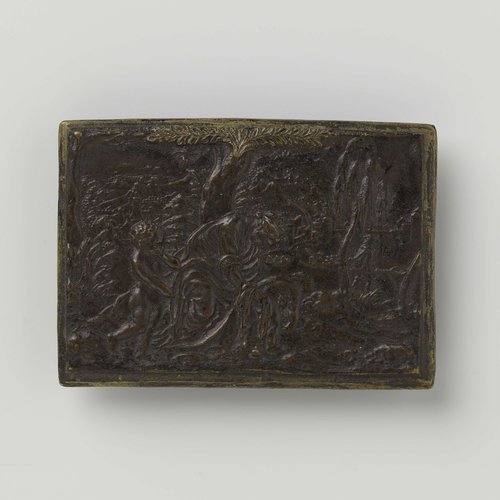
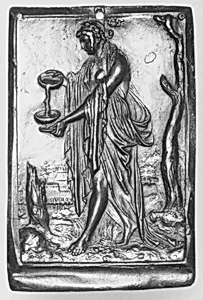
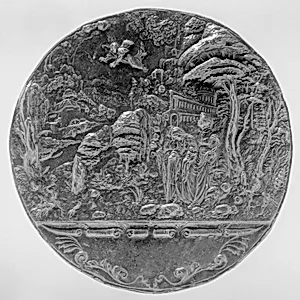
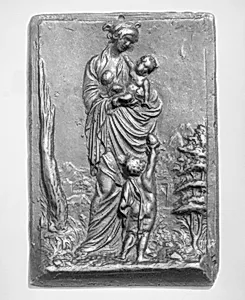
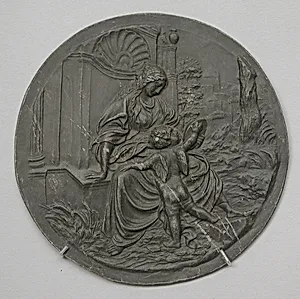
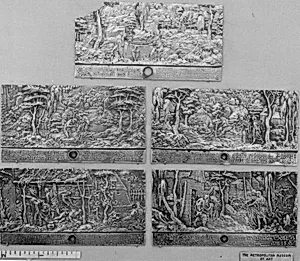
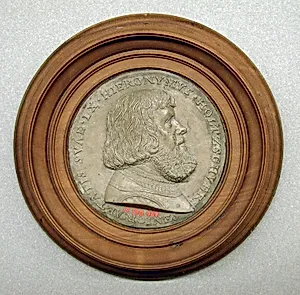
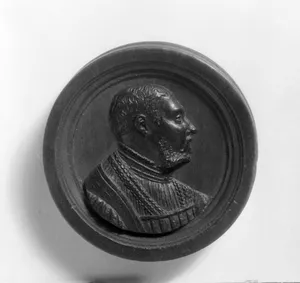
Flötner worked across a remarkable range of media and scales: his plaquettes in lead and bronze, medals, wooden furniture carvings, architectural ornament, and designs for goldsmiths' work collectively demonstrate the breadth of activity expected of a successful craftsman in the prosperous free city of Nuremberg. His plaquettes — small relief panels depicting mythological, allegorical, and ornamental subjects — were particularly influential, circulating as models for other craftsmen and contributing to the rapid diffusion of the Renaissance grotesque and classical figure type throughout German decorative art.
His most celebrated achievement is the Apollo Fountain, commissioned for the Nuremberg city council and representing one of the earliest monumental Renaissance bronze sculptures in Germany. This elegant work demonstrates Flötner's successful absorption of Italian figural ideals into a northern German context, achieving a lightness and classical poise unusual in German sculpture of the period.
Flötner's significance lies above all in his role as a mediator between Italian Renaissance and Northern European artistic traditions. Through his designs, plaquettes, and sculptures, the vocabulary of classical ornament was made available to German craftsmen across disciplines, earning him a place of quiet but genuine importance in the history of the Northern Renaissance.