Ctrl K
1824–1898
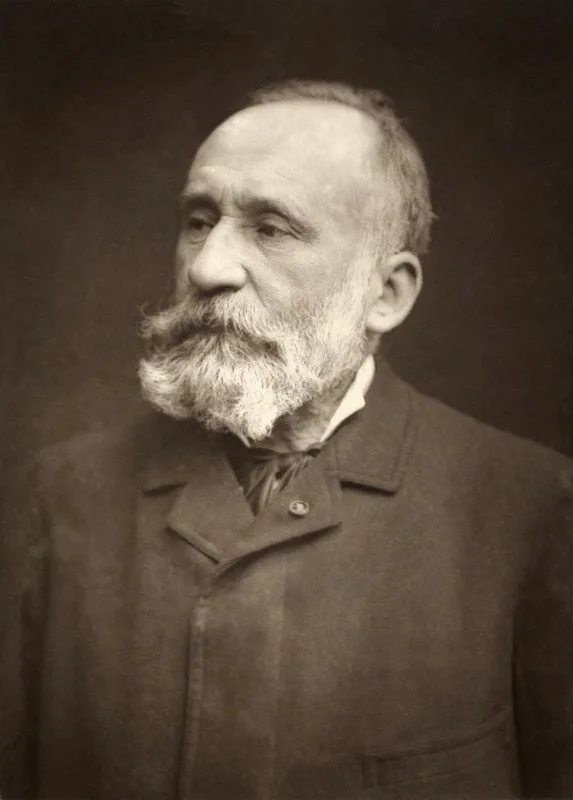
Pierre Puvis de Chavannes (1824–1898) was a French painter who became the foremost muralist of nineteenth-century France and a crucial bridge between academic tradition and modernism. Born in Lyon to a prosperous family, he studied briefly with Henri Scheffer and Thomas Couture in Paris and traveled to Italy, where the frescoes of the Italian Renaissance made a lasting impression on his artistic vision.
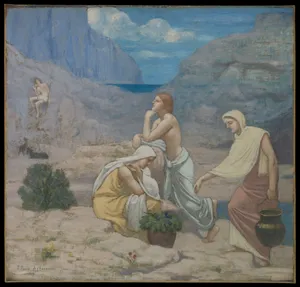
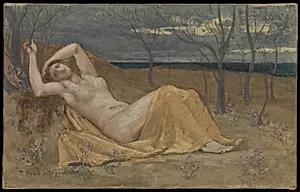
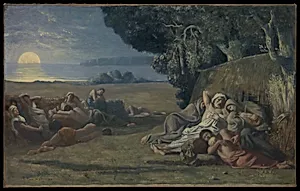
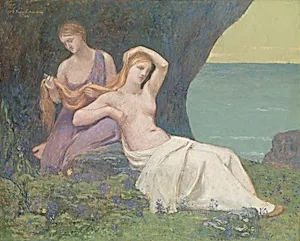
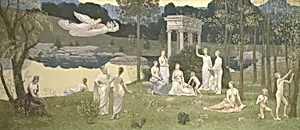
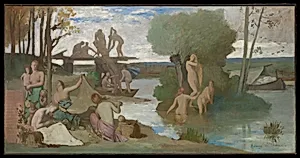
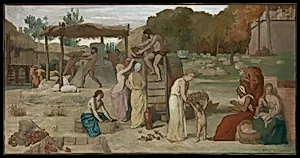
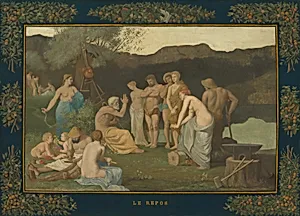
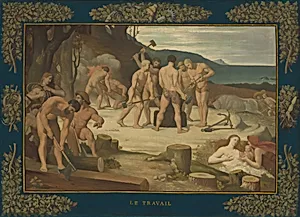
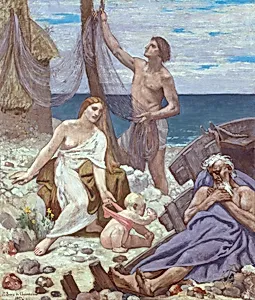
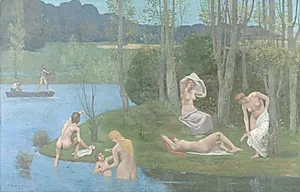
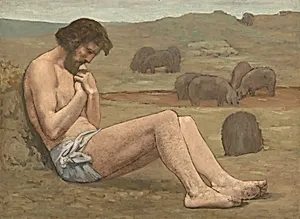
Puvis developed a distinctive style of mural painting characterized by simplified forms, muted color harmonies, flat compositions, and an atmosphere of serene timelessness. His figures, often drawn from classical mythology or allegory, inhabit dreamlike pastoral landscapes rendered in pale, chalky tones that evoke the appearance of true fresco. This deliberate flatness and decorative unity represented a conscious rejection of illusionistic academic painting.
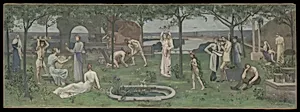
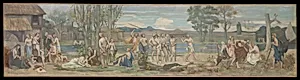
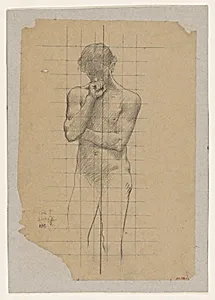
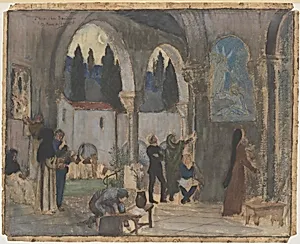
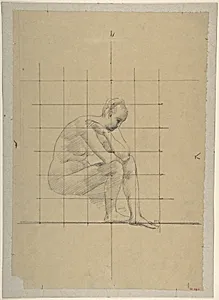
His major public commissions include murals for the Panthéon in Paris ("The Childhood of Saint Geneviève"), the Palais de Longchamp in Marseille, the Sorbonne, the Hôtel de Ville in Paris, and the Boston Public Library in the United States. These monumental works established him as France's most celebrated decorative painter and brought international recognition.
Puvis's influence on subsequent generations of artists was immense. Paul Gauguin, Georges Seurat, Maurice Denis, Pablo Picasso, and the Nabis all acknowledged their debt to his simplified forms and anti-naturalistic color. His approach to mural painting — treating the wall as a flat surface to be harmonized rather than a window to be opened — anticipated key principles of modern art. He is represented in virtually every major French museum and in important collections worldwide.