Ctrl K
1492
Polidoro Caldara, known as Polidoro da Caravaggio, was born around 1499 in Caravaggio, Lombardy, and emerged as one of the most innovative painters of the early Mannerist period. Arriving in Rome circa 1515 as an untrained laborer hauling plaster for the Vatican Logge decorations, he quickly caught the eye of Raphael's key assistant, Maturino da Firenze. By 1517, Polidoro had joined Raphael's workshop, contributing to the Raphael Rooms and collaborating with talents like Giulio Romano and Perino del Vaga on frescoes in the Vatican Logge and Cappella degli Svizzeri. These experiences honed his skills in dynamic figural compositions, blending Raphael's grace with influences from Michelangelo, Rosso Fiorentino, and classical antiquities.
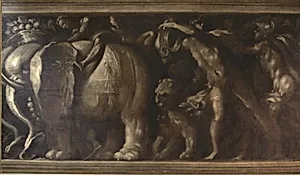
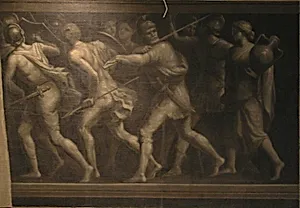
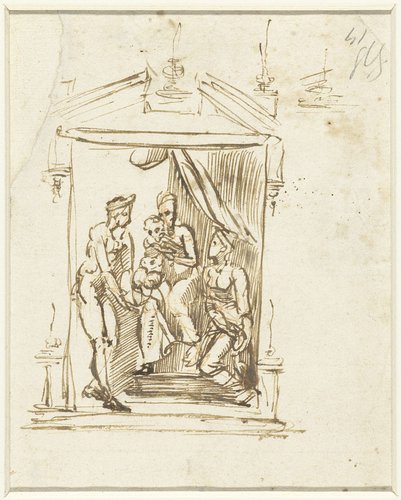
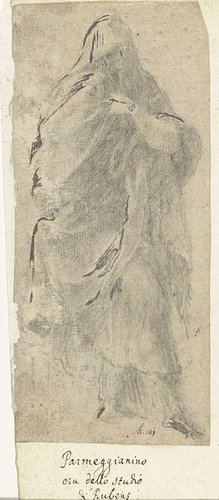
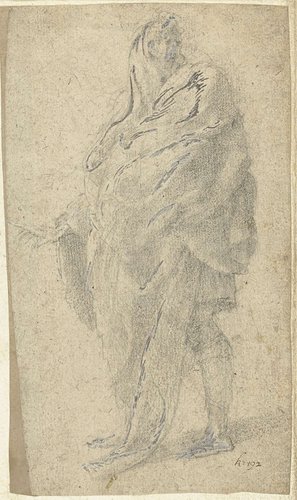
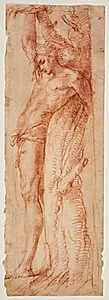
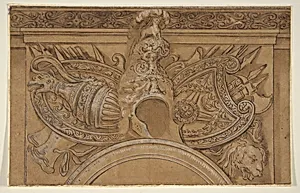
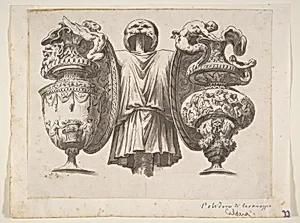
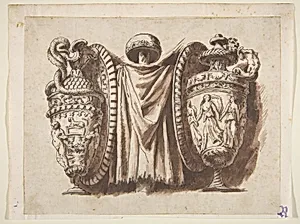
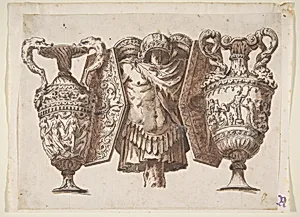
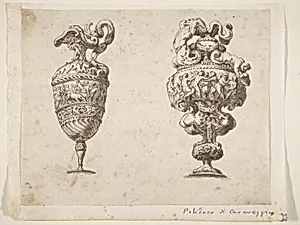
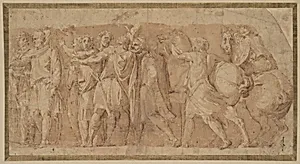
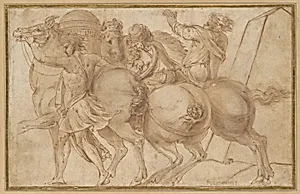
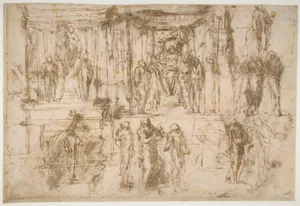
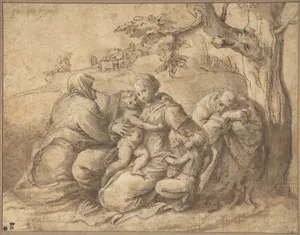
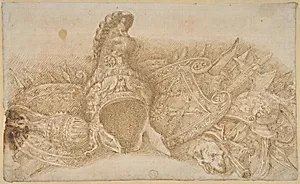
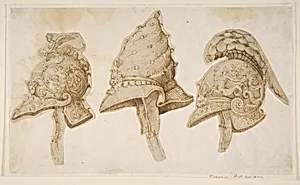
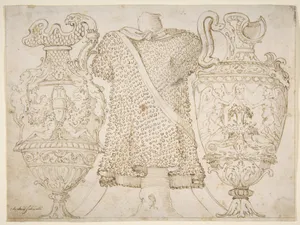
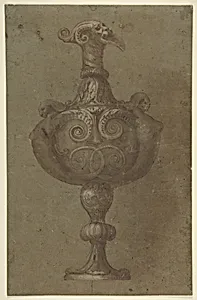
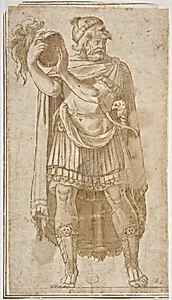
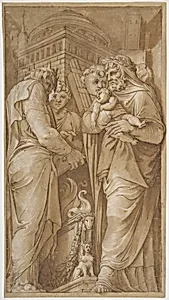
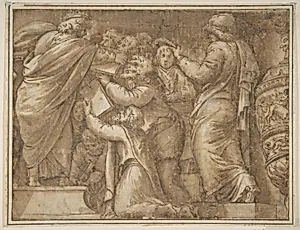
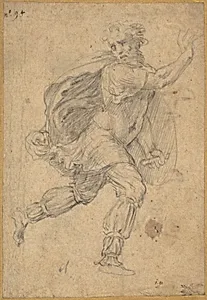
In Rome during the 1520s, Polidoro revolutionized urban art by partnering with Maturino to decorate palace facades—over a hundred in districts like Borgo and Parione—with groundbreaking grisaille frescoes and sgraffito techniques mimicking ancient Roman reliefs. Works like the Palazzo Massimo Istoriato frieze (1523) and the Mary Magdalene cycle (c. 1525) at S. Silvestro al Quirinale showcased his free, expressive Mannerist style: muscular figures in dramatic poses, bold chiaroscuro, and inventive narratives drawn from history, mythology, and the Bible. Though most facades succumbed to time and urban renewal, surviving drawings—such as the Assembly of Gods (c. 1524) and Holy Family in red chalk—reveal his mastery of wash, ink, and chalk, serving as vital records of lost grandeur.
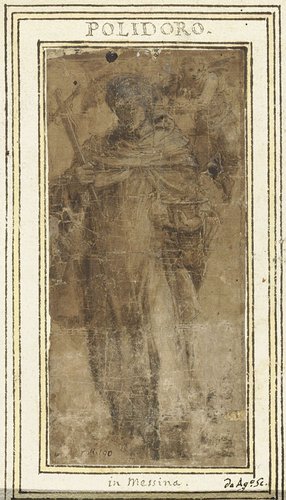
The Sack of Rome in 1527 shattered Polidoro's world; Maturino perished, prompting his flight first to Naples, then permanent settlement in Messina by 1528. There, isolated from Roman trends, he produced poignant altarpieces blending Mannerist vigor with emerging Northern expressiveness, including the Deposition of Christ (1527, Capodimonte, Naples), Christ Carrying the Cross (1530–34, Capodimonte; oil sketch at National Gallery, London), Adoration of the Shepherds, and Crucifixion. Tragically, in 1543, his assistant Tonno Calabrese murdered him over hidden savings, as recounted by Vasari.
Polidoro's legacy endures through his pupils—Deodato Guinaccia, Antonello Riccio, and others in Messina—and the "visual textbooks" his facades provided for generations of artists across Italy and beyond. His drawings in collections like the Metropolitan Museum and Royal Collection preserve a raw, proto-Baroque intensity that influenced facade painters and draughtsmen well into the 17th century, cementing his reputation as Raphael's most unconventional heir.