Ctrl K
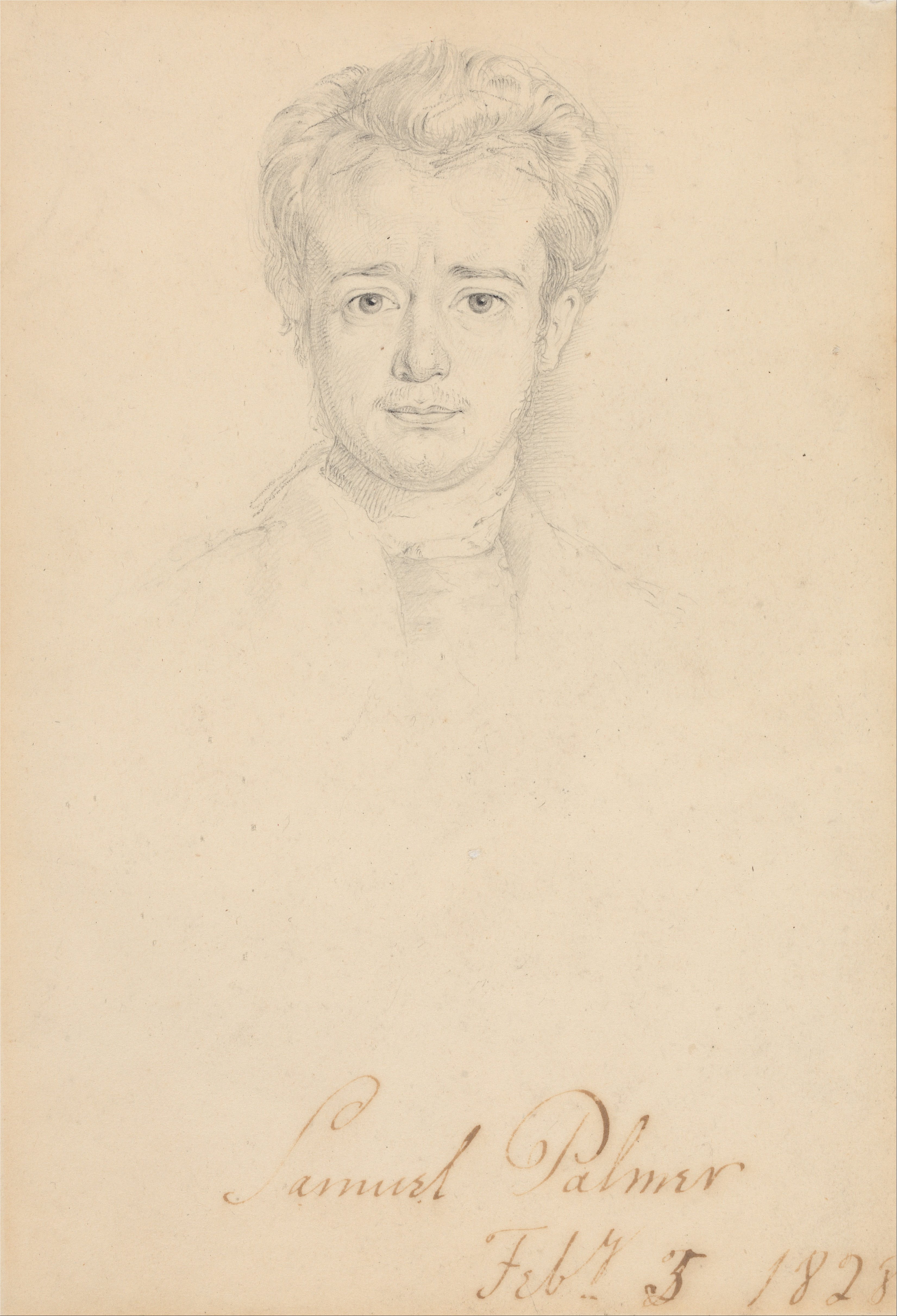
1805–1881
Samuel Palmer was born on 27 January 1805 in Newington, London, the son of a bookseller and sometime Baptist minister. He had little formal schooling and almost no conventional artistic training, yet he possessed an instinctive gift for drawing that led him to exhibit Turner-inspired works at the Royal Academy when he was only fourteen years old. In 1824 his mentor, the painter John Linnell, introduced him to the elderly William Blake, an encounter Palmer later described as the great formative experience of his artistic life. Blake's visionary approach to nature, his sense that the natural world was charged with spiritual meaning, confirmed and intensified the direction Palmer was already taking.
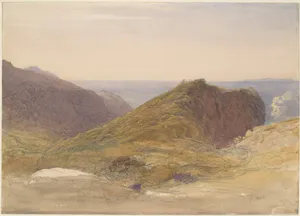
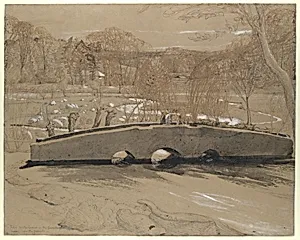
The years Palmer spent in the village of Shoreham in Kent, from 1826 to 1835, produced the most extraordinary body of work in his career. Living in a cottage he nicknamed Rat Abbey, Palmer painted and drew the surrounding countryside as a kind of hallowed pastoral Eden — moonlit cornfields, heavy orchards, ancient churches nestled among hills — in a manner that fused intense observation of nature with mystical intensity. Around him gathered a loose community of like-minded artists called the Ancients, including George Richmond and Edward Calvert, who shared a Blake-inspired reverence for the spiritual dimensions of landscape. Works from this period, such as A Cornfield by Moonlight with the Evening Star (c. 1830) and In a Shoreham Garden, glow with a concentrated, otherworldly richness unlike anything else in British art.
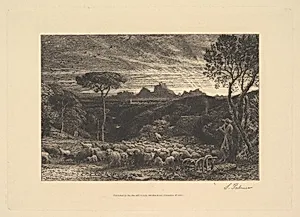
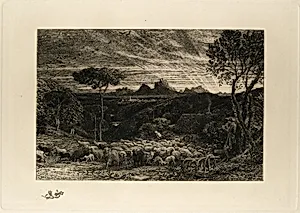
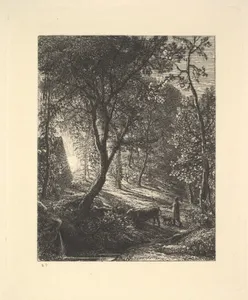
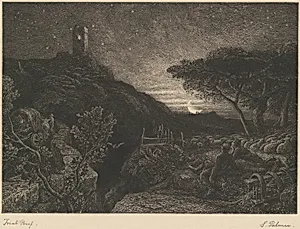
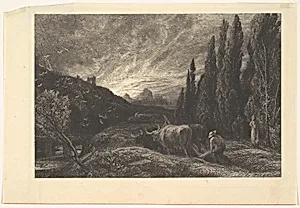
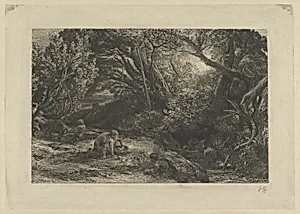
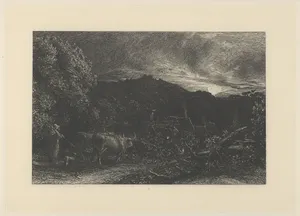
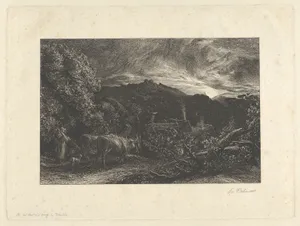
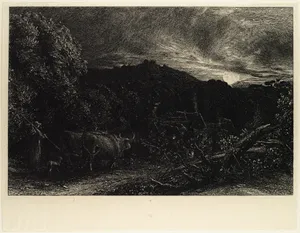
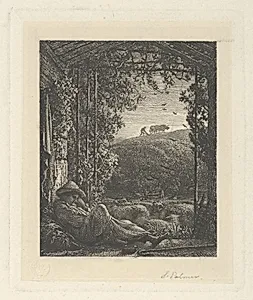
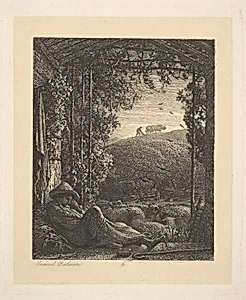
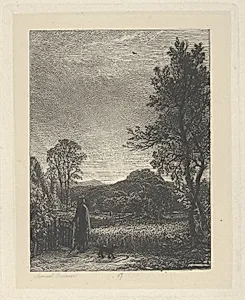
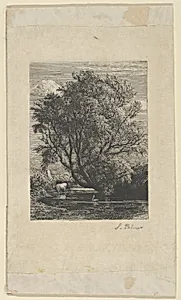
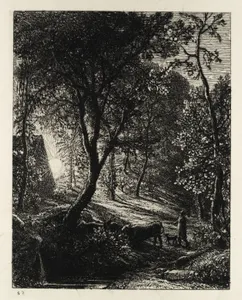
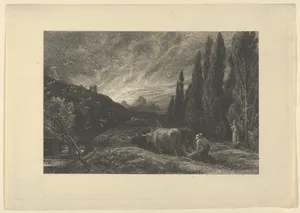
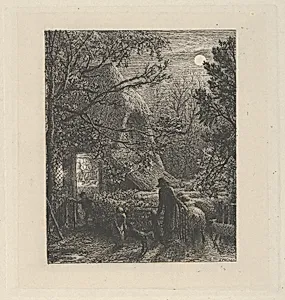
After returning to London in 1835, Palmer married Hannah Linnell and his work became more conventional, losing some of the visionary intensity of the Shoreham years — a transition he himself later lamented. He took up etching around 1850, producing a body of printwork of great imaginative power. Though he achieved modest professional success in his lifetime, it was only in the 1960s, when major exhibitions and scholarly publications brought the Shoreham work to wider attention, that Palmer's true significance became clear. His influence on twentieth-century British artists including Graham Sutherland, Eric Ravilious, and F.L. Griggs was profound, and he is now recognised as one of the supreme visionary artists in the English tradition.