Ctrl K
1500–1550
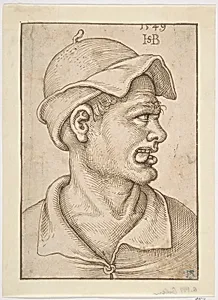
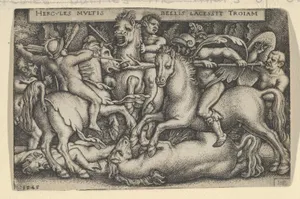
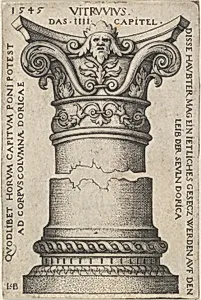
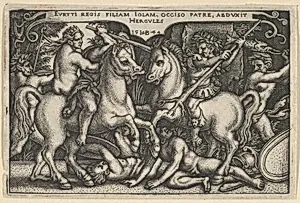
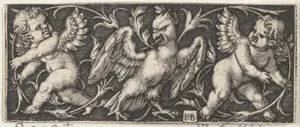
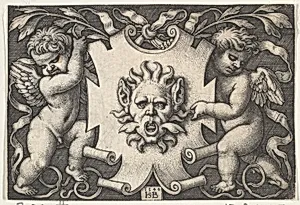
Sebald Beham (1500–1550), a pioneering German printmaker and painter born in Nuremberg, emerged as one of the most prolific artists of the Northern Renaissance. The elder brother of fellow artist Barthel Beham, he grew up in a milieu steeped in artistic tradition, though details of his early training remain sparsely documented. Recorded as a journeyman painter (Malergeselle) by 1521 and a master with his own workshop by 1525, Beham was profoundly influenced by Albrecht Dürer, whose graphic techniques shaped his early line work and compositions. Alongside his brother and Georg Pencz, he belonged to the "Little Masters," a loose school of Nuremberg engravers renowned for their diminutive, exquisitely detailed prints—often no larger than postage stamps—that pushed the boundaries of the medium with intricate crosshatching and dark, niello-like backgrounds. In 1525, the trio faced expulsion from Nuremberg as the infamous "godless painters" for heretical Lutheran views and defiance of city authority amid the Peasants' War, though Beham returned briefly before departing again in 1528 over accusations of plagiarizing Dürer's unpublished horse proportion treatise.
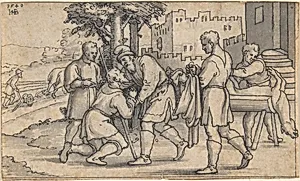
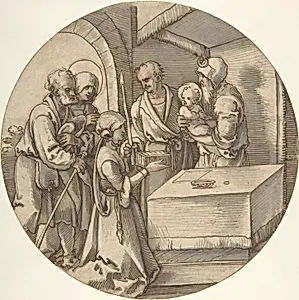
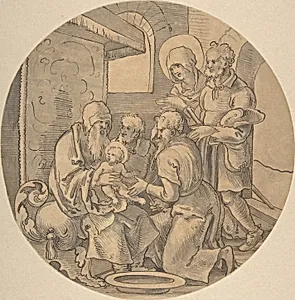
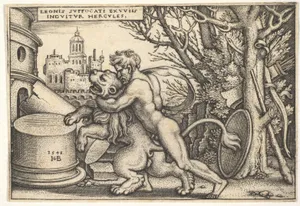
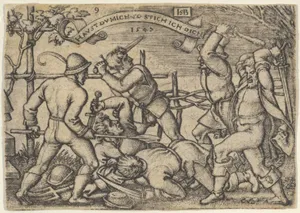
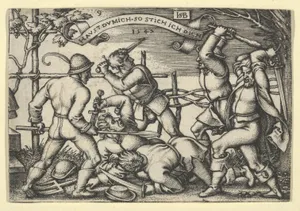
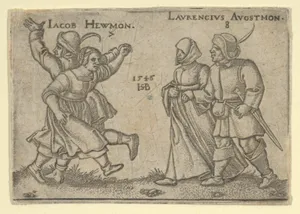
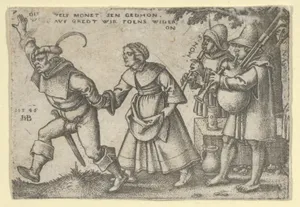
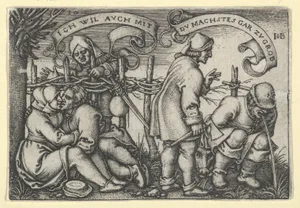
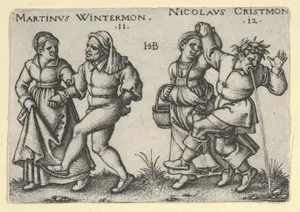
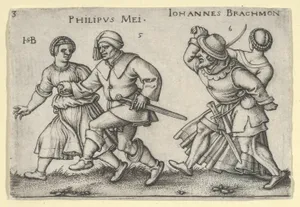
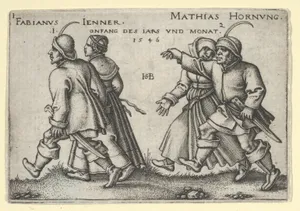
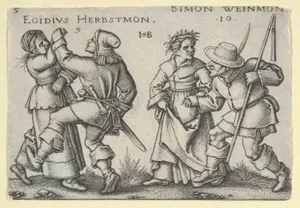
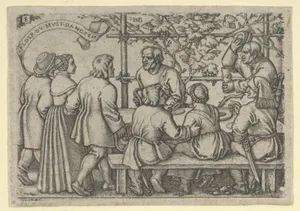
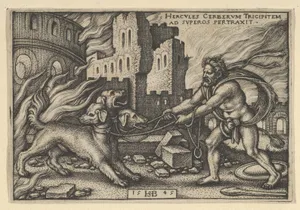
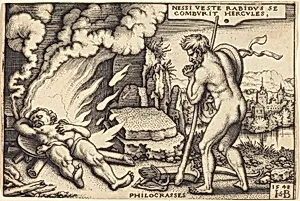
Beham's oeuvre, numbering around 250 engravings, 18 etchings, and over 1,500 woodcuts, celebrated secular life with bold realism: bawdy peasant festivals, erotic nudes, mythological vignettes, and everyday grotesques that anticipated later genre painting. Standouts include his reinterpretation of Dürer's *Melancholia* (1539), the monumental five-block woodcut *The Military Display, 10 June 1530* capturing Emperor Charles V's entry into Munich, and intimate engravings like *Adam and Eve* (1543), *Death and the Standing Nude* (1547), and the 1545 peasant couples series depicting the months. He also designed stained glass, book illustrations, and artists' manuals on proportions, blending utility with artistry. His woodcuts, often hand-colored and commissioned for wallpaper or playing cards, showcased inventive compositions drawn from biblical stories, classical history, and carnal humor, as in *Joseph and Potiphar's Wife* (1544).
Relocating primarily to Frankfurt around 1532—where he gained citizenship in 1540—Beham thrived as an entrepreneurial publisher, collaborating with printers like Christian Egenolff and self-printing his plates. Surviving paintings include the Louvre's *History of David* tabletop (1534, with a self-portrait) and miniatures for Cardinal Albrecht of Brandenburg's prayer books. Married twice, he died in Frankfurt in 1550, leaving a legacy as a versatile innovator who democratized art through mass-produced prints, bridging Dürer's grandeur with accessible, worldly vitality. His vast output continues to captivate, with over 290 works in major collections today.