Ctrl K
1903–1978
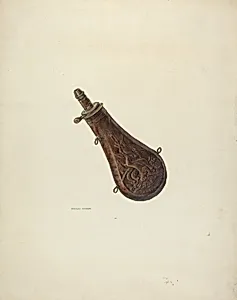
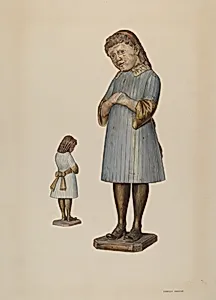
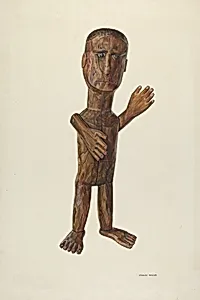
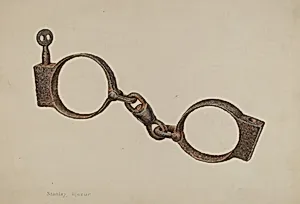
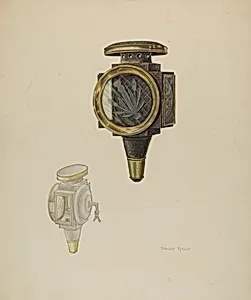
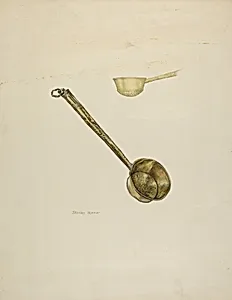
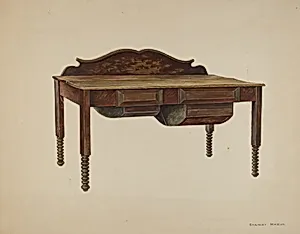
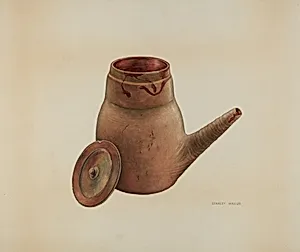
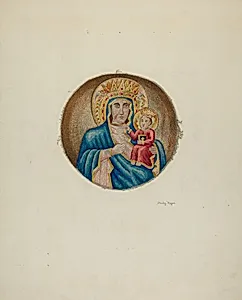
**Stanley Mazur (1903–1978)** was an American artist best known for his meticulous watercolor renderings created as part of the Index of American Design, a Works Progress Administration (WPA) initiative during the Great Depression era. This ambitious project commissioned artists across the United States to document everyday folk art objects, crafts, and tools that embodied the nation's cultural heritage, ensuring their preservation through detailed artistic reproductions. Mazur contributed dozens of such works, capturing the textures, forms, and historical significance of items ranging from utilitarian hardware to carved figures and textiles, many now housed in the National Gallery of Art's collection.
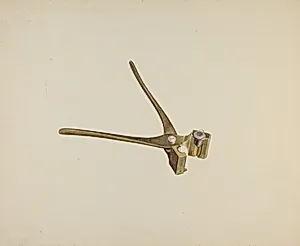
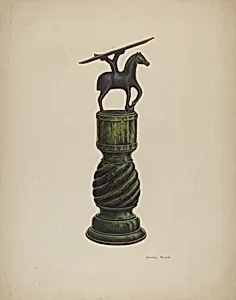
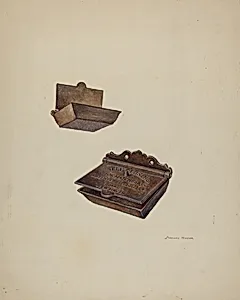
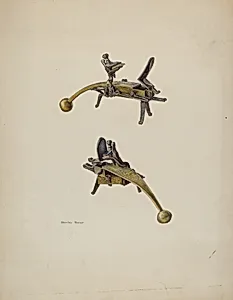
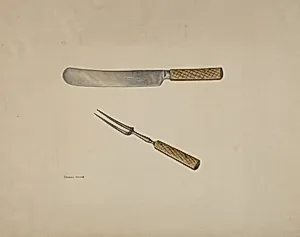
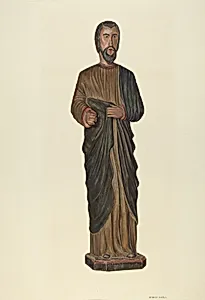
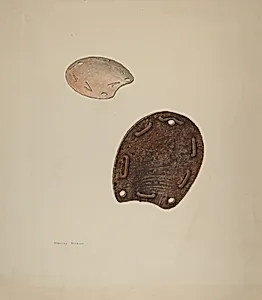
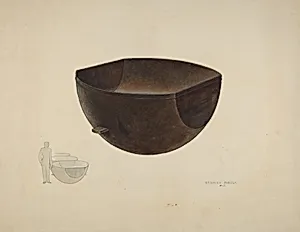
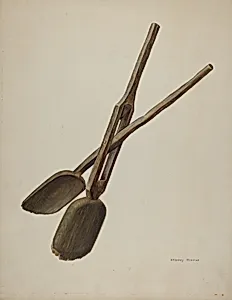
Little is known about Mazur's early life or formal training, as biographical details remain sparsely documented beyond his professional output in the late 1930s and early 1940s. His oeuvre includes evocative depictions such as *Planting Corn* (c. 1939), illustrating rural agricultural scenes; *Knife and Fork* (c. 1939) and *Soup Kettle* (c. 1938), showcasing humble kitchenware; and *Kitchen Table* (1938), rendered in watercolor, colored pencil, and graphite. Other notable pieces feature folk carvings like the *Cigar Store Indian "Trapper"* (c. 1937), *Chalkware Rabbit* (c. 1938), and *St. Joseph Carving* (c. 1938), as well as hardware such as *Horse Shoe* (c. 1938), *Hunting Horn* (1935–1942), *Iron Match Safe* (c. 1941), and *Bullet Mold* (c. 1942). Mazur also rendered collaborative efforts like *Trivet* (c. 1941, with Robert Clark) and copies after folk painter Olof Krans, including *Harvesting with Grain Cradles* (c. 1939) and *Early Camp Dugouts* (c. 1939).
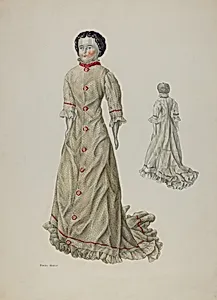
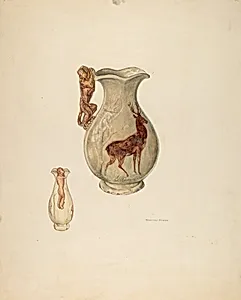
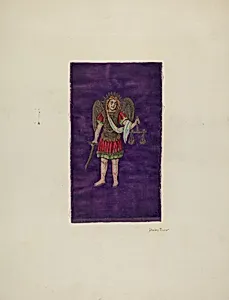
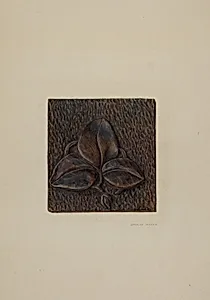
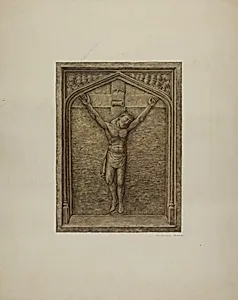
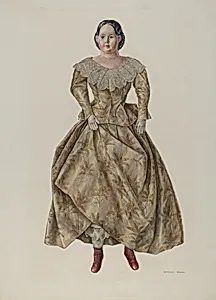
Mazur's artistic style was characterized by precise realism, employing watercolor, graphite, pen and ink, and colored pencil to faithfully reproduce the patina, craftsmanship, and three-dimensionality of his subjects. Working within the Index of American Design tradition, he elevated ordinary objects—religious embroideries (*c. 1940*), pottery vases (probably 1941), and wooden plaques (*c. 1940*)—into visual archives that highlighted regional diversity in American material culture. His approach bridged fine art and documentation, blending technical accuracy with subtle artistic interpretation to convey the lived history embedded in these artifacts.
Mazur's legacy endures through over 40 preserved works that safeguard vanishing aspects of American folk art against the backdrop of industrialization. By participating in this New Deal-era endeavor, he helped foster national pride in vernacular creativity, influencing later scholarship and exhibitions on American design. Today, his renderings at the National Gallery of Art serve as invaluable resources for historians, reminding us of the artistry in the everyday.