Ctrl K
1739–1813
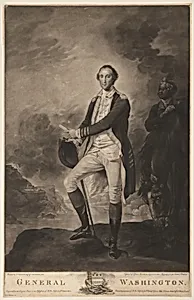
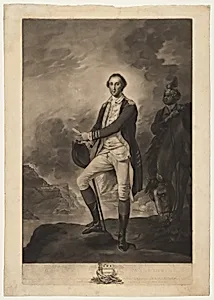
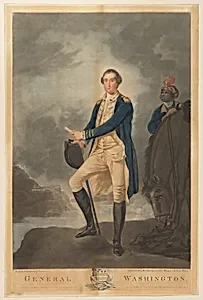
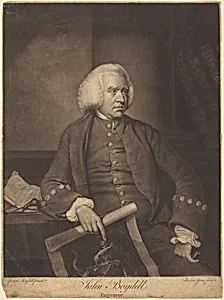
**Valentine Green (1739–1813)** was a leading British mezzotint engraver and print publisher whose work helped elevate the medium’s status in 18th-century Britain. Born on 3 October 1739 in Salford Priors near Evesham, Warwickshire, he initially trained for the law but abandoned it after two years in a solicitor’s office. He then studied line engraving under Robert Hancock in Worcester before moving to London in 1765, where he taught himself the techniques of mezzotint and quickly established himself as one of its foremost practitioners.
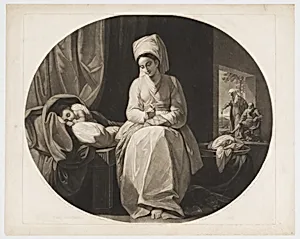
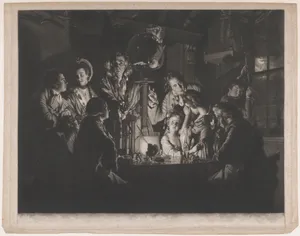
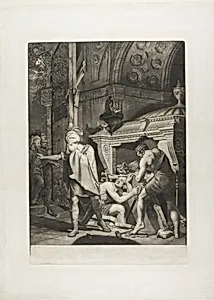
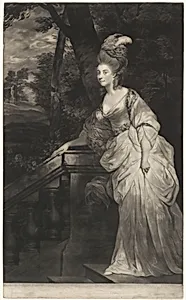
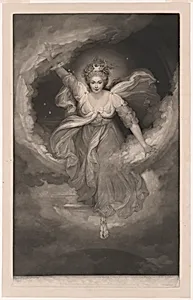
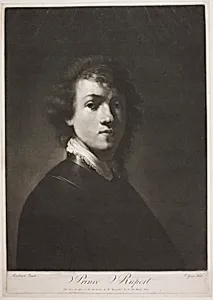
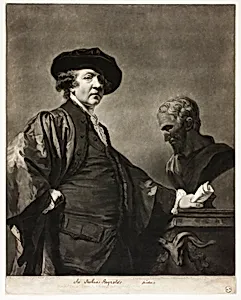
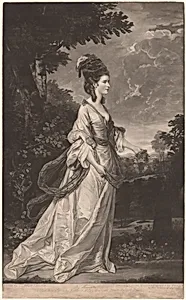
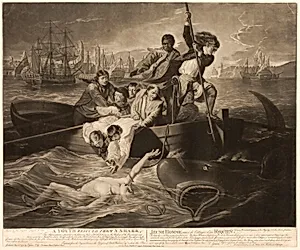
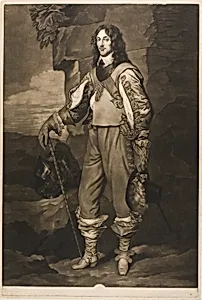
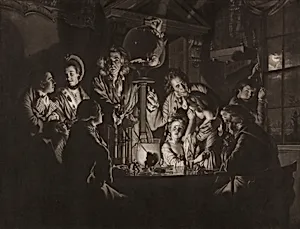
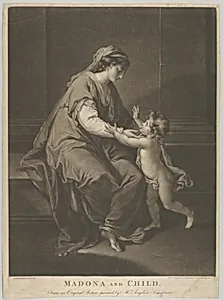
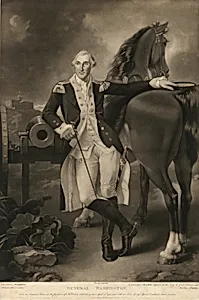
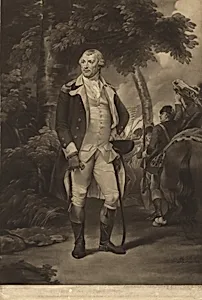
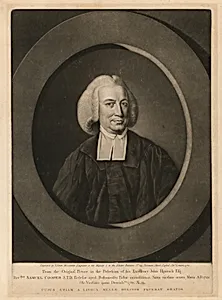
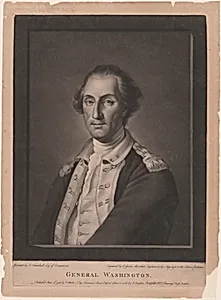
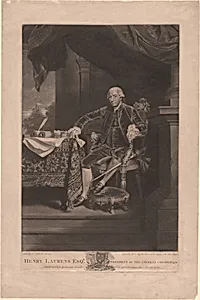
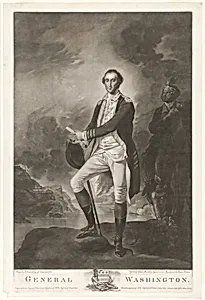
Green’s career flourished through the 1770s and 1780s. He began exhibiting with the Incorporated Society of Artists in 1766, becoming a fellow the following year and a director in 1771. In 1773 he was appointed mezzotint engraver to King George III and later to the Elector Palatine; he was elected an associate engraver of the Royal Academy in 1775. Over four decades he produced roughly four hundred plates, excelling in both portraits—after Joshua Reynolds, George Romney, and others—and reproductive engravings of history paintings and old-master works by artists such as Benjamin West, Anthony van Dyck, Peter Paul Rubens, and Bartolomé Esteban Murillo. His prints are noted for their exceptional richness of tone, subtle gradations of light and shade, and graceful handling.
Financial setbacks, including the failure of an ambitious project to engrave the Düsseldorf gallery collection and other speculative ventures, led to bankruptcy in 1798. From 1805 until his death he served as keeper of the British Institution. A keen antiquarian, Green was elected a Fellow of the Society of Antiquaries and authored several historical works, including surveys and histories of Worcester. His pupil James Walker carried forward aspects of his mezzotint tradition. Green died on 29 July 1813, leaving a substantial legacy of prints that remain prized by collectors for their technical mastery and artistic sensitivity.
With more than forty works represented in museum collections today, Green’s engravings continue to illuminate the vibrant print culture of Georgian Britain.