Ctrl K
1897–1929
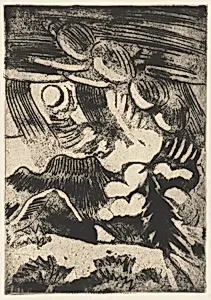
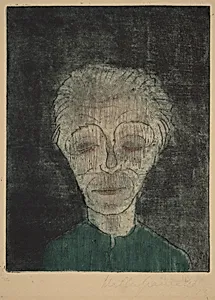
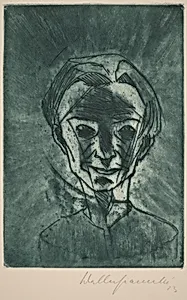
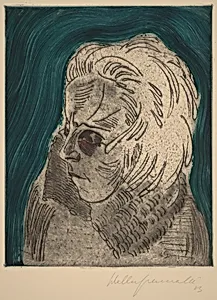
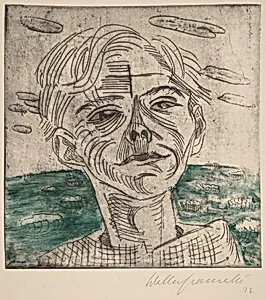
Walter Gramatté, born Walter Eduard Gramatté on January 8, 1897, in Berlin-Wedding to building manager Otto Gramatté and his wife Katharina, emerged as a poignant voice in German Expressionism despite a tragically brief career. The son of modest parents—described variably as a baker in some accounts—Gramatté volunteered for World War I in 1914 but was largely spared frontline duty due to chronic poor health. He pursued artistic training primarily at Berlin's Kunstgewerbeschule, the city's Arts and Crafts school, and established his own studio by 1917 amid the war's shadow. These early years profoundly shaped his mystical worldview, blending horror from wartime sketches with a redemptive longing evident in his later landscapes of flowers, trees, and storms.
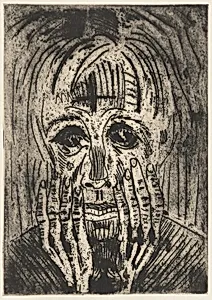
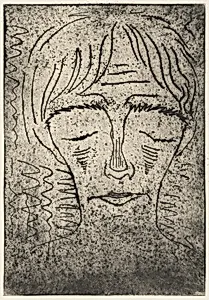
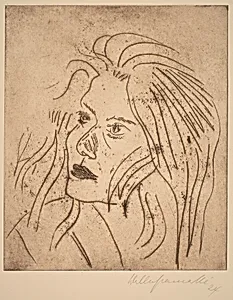
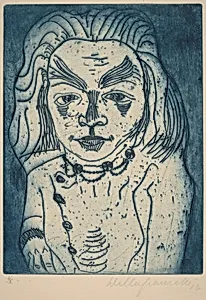
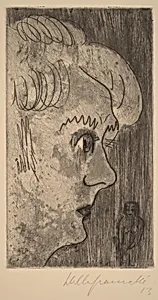
Gramatté's style fused Expressionism with Magic Realism, portraying nature through a spiritual, otherworldly lens while capturing human frailty—often drawn from his illnesses and personal losses. He became associated with the Die Brücke group of Expressionists and worked across Berlin, Hamburg, the island of Hiddensee, and Barcelona. In 1918, he briefly married Henriette "Hetta" Lindhorst, dedicating his painting *Zwei Menschen* (1919) to her before their divorce in 1919; later that year, on December 31, 1920, he wed Russian pianist Sonia Fridman (later Sophie-Carmen Eckhardt-Gramatté), whom he frequently portrayed and with whom he traveled to Spain from 1924 to 1926. Friendships with artists like Karl Schmidt-Rottluff and Erich Heckel, and writer Hermann Kasack, enriched his circle.
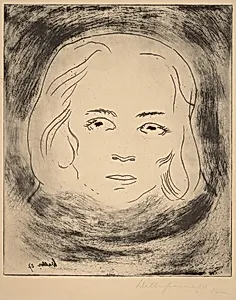
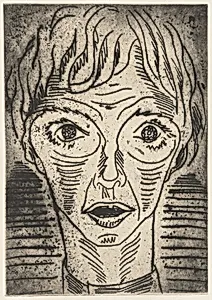
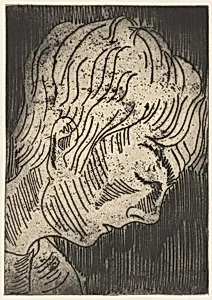
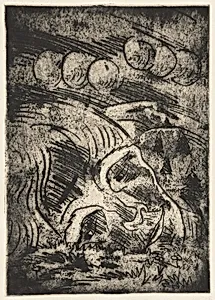
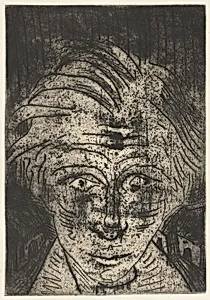
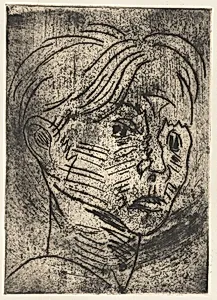
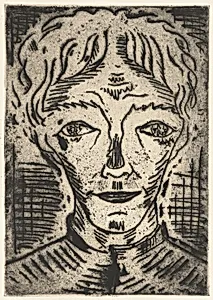
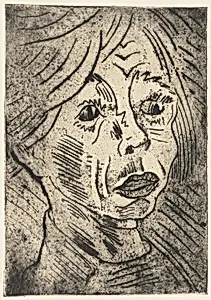
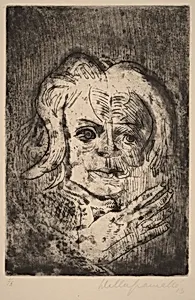
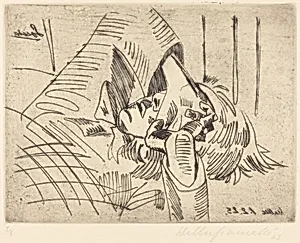
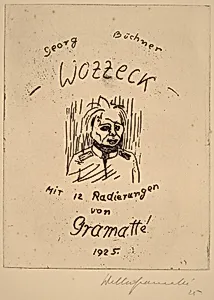
Among his major works are haunting pieces like *Der Kranke mit den Blumen* (The Sick Man with Flowers, 1918), *Porträt Rosa Schapire* (1920), *Selbstbildnis mit rotem Mond* (Self-Portrait with Red Moon, 1926), and *Almería* (1926), alongside etchings such as *Vava* (1928) and illustrations for Nikolai Gogol's *Der Mantel* (1919). Gramatté died young on February 9, 1929, in Hamburg from intestinal tuberculosis, at age 32; his grave was designed by Schmidt-Rottluff.
Branded "degenerate art" by the Nazis, many works were confiscated and destroyed in 1937, stifling recognition until postwar rediscovery. Exhibitions like *Rediscovered: Walter Gramatté 1897–1929* (2008–2009) and *Walter Gramatté und Hamburg* (2021) revived his legacy, preserved in institutions such as the German National Museum and Neue Nationalgalerie. The Eckhardt-Gramatté Foundation in Winnipeg honors him and his widow, ensuring his introspective visions endure.