Ctrl K
1813–1907
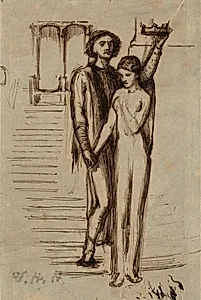
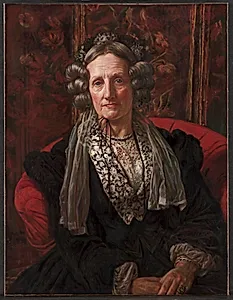
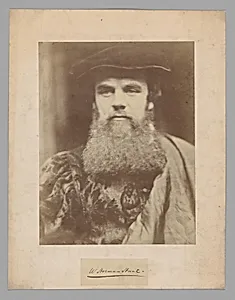
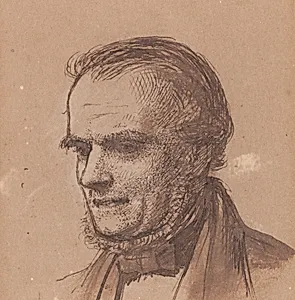
**William Holman Hunt (1827–1910)** was an English painter and a founding member of the Pre-Raphaelite Brotherhood, renowned for his meticulous attention to detail, vivid colors, and symbolic depth in both religious and contemporary subjects.
Born William Hobman Hunt on 2 April 1827 in Cheapside, London, to a warehouse manager, he initially worked as an office clerk before gaining admission to the Royal Academy Schools in 1844. There he met John Everett Millais and, through the poet and artist Dante Gabriel Rossetti, helped establish the Pre-Raphaelite Brotherhood in 1848. The group rejected the academic conventions associated with Raphael and Sir Joshua Reynolds, advocating instead for direct observation of nature, medieval-inspired sincerity, and moral seriousness—principles deeply influenced by the writings of John Ruskin and Thomas Carlyle. Hunt remained the most steadfast adherent to these ideals throughout his long career.
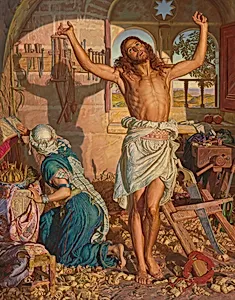
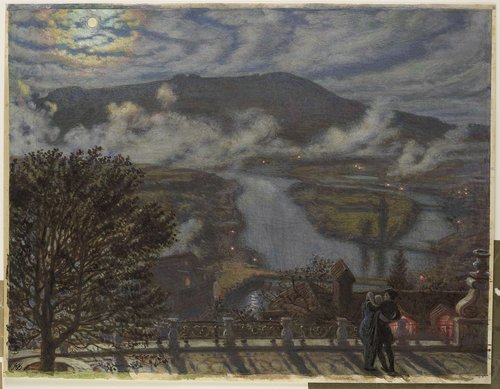
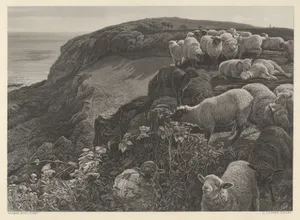
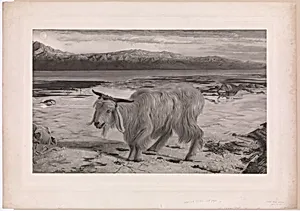
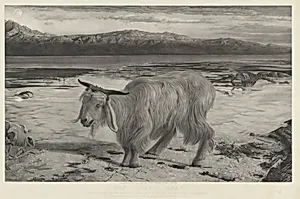
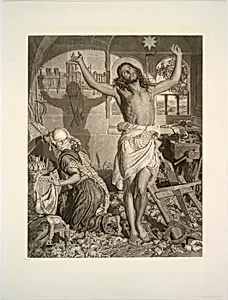
His artistic style combined hyper-realistic detail with elaborate symbolism, often drawing on biblical themes rendered with authentic Middle Eastern settings after his travels to the Holy Land in the 1850s and later. Major works include the allegorical *The Light of the World* (1851–1853, with a later version in St Paul’s Cathedral), the moral narrative *The Awakening Conscience* (1853), *The Scapegoat* (1856), *The Finding of the Saviour in the Temple* (1854–1860), and *The Shadow of Death* (1873), alongside poetic subjects such as *The Lady of Shalott*. He also produced striking landscapes like *Our English Coasts, 1852 (‘Strayed Sheep’)*. Hunt married twice—first to Fanny Waugh, who died in childbirth, and later to her sister Edith—while maintaining a studio in London and building connections in Jerusalem.
Hunt’s legacy endures as one of the Pre-Raphaelites most committed to their original vision. Though early works faced critical hostility, his paintings gained immense popularity with Victorian audiences through engravings and public exhibitions. He received the Order of Merit in 1905, published an autobiography that year, and continued working with assistance from Edward Robert Hughes as his eyesight declined. His emphasis on truth to nature and symbolic storytelling influenced subsequent generations and remains central to Pre-Raphaelite studies today.