Ctrl K
1751–2008
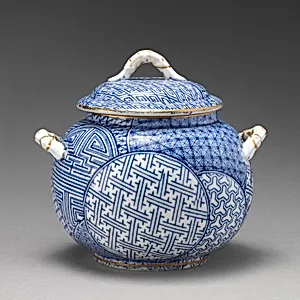
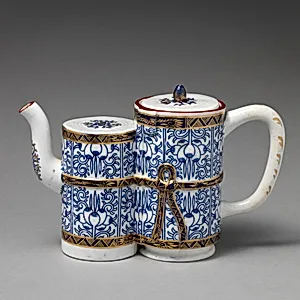
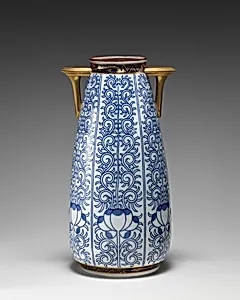
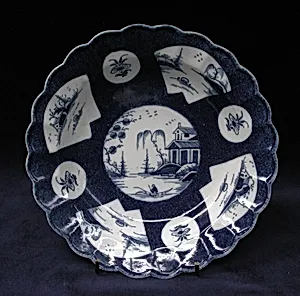
The Worcester porcelain factory, established in 1751 in Worcester, England, by physician Dr. John Wall and apothecary William Davis along with 14 partners, marked the birth of one of Britain's most enduring ceramic enterprises. Investing £4,500 at Warmstry House on the River Severn, the founders drew on contacts with the Bristol porcelain manufactory to develop a novel soft-paste porcelain using soaprock (steatite), distinguishing it from Chinese imports and rivals like Caughley. Under Wall's leadership until 1783—the esteemed Dr. Wall period—the factory pioneered transfer printing in 1756, courtesy of engraver Robert Hancock, enabling intricate black and blue designs on molded vessels. Early styles emulated Chinese blue-and-white patterns and Japanese motifs of plum blossoms and exotic birds, while groundbreaking ground colors—turquoise, sea green, claret—rivaled Sèvres, heightened by delicate gilding.
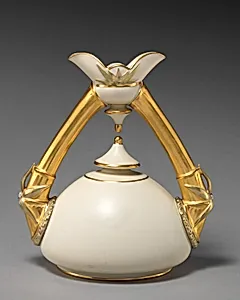
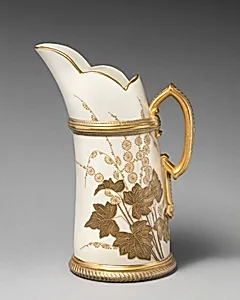
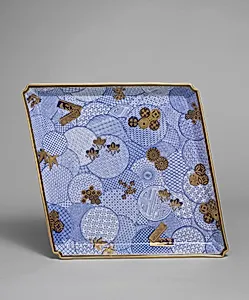
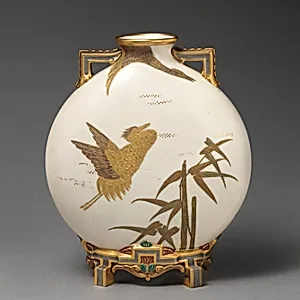
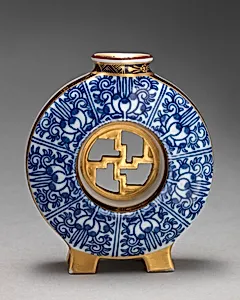
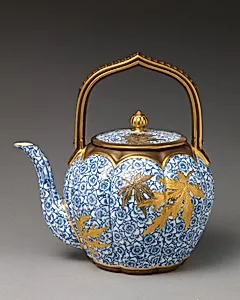
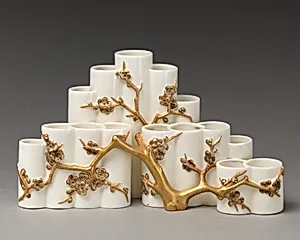
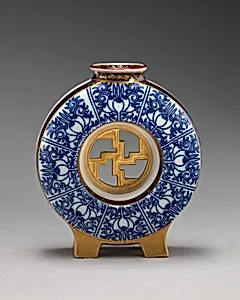
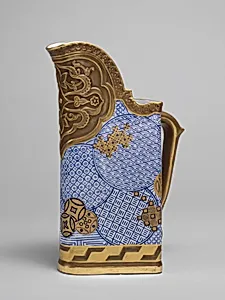
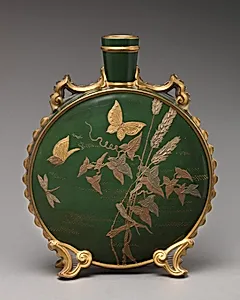
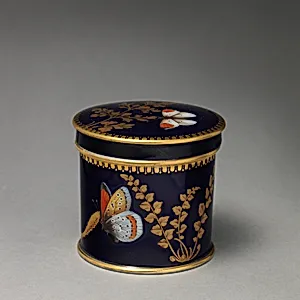
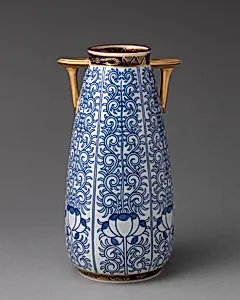
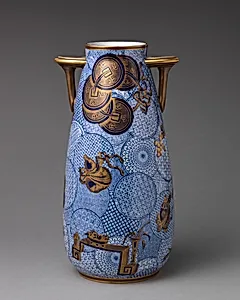
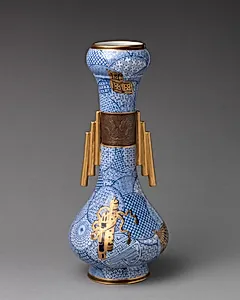
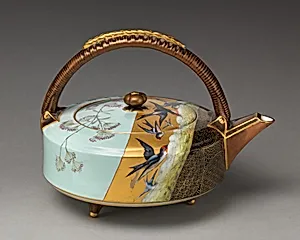
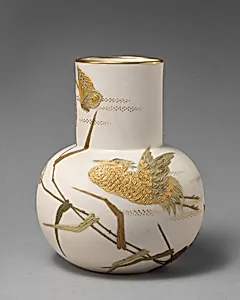
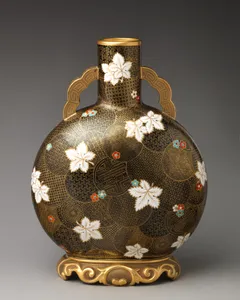
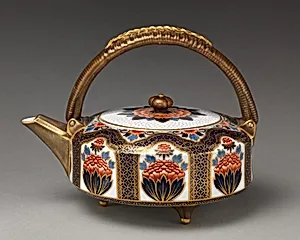
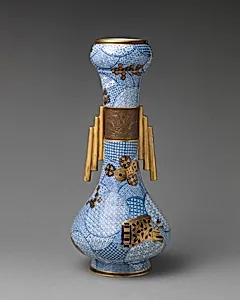
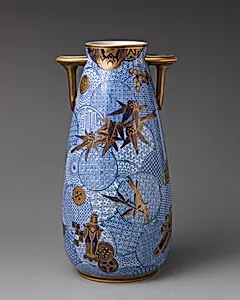
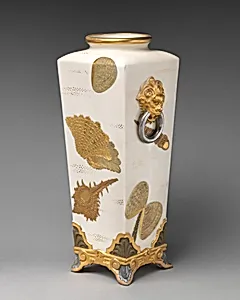
Through mergers and family successions, the factory evolved into Royal Worcester after receiving its first royal warrant from George III in 1789, following a visit by the king and queen. Thomas Flight acquired it in 1783 for his sons Joseph and John; rivals Chamberlain (hard-paste pioneers) and Grainger (apprenticed under Chamberlain's Robert) merged in 1840 and 1889, respectively, forming Worcester Royal Porcelain Co. Ltd. in 1862. The 19th century embraced Aesthetic Movement Japonism and Neo-Rococo extravagance, with pierced porcelain perfected by George Owen in 1893 and fruit painting launched by Octar Copson in 1880. Renowned artists included the Stinton family—Harry for Highland cattle, James for game birds—from Grainger's, alongside Richard Sebright's peerless fruits, Dorothy Doughty's American birds (1936 series), and Harry Davis's fish.
Iconic works span royal commissions: the 1770 dinner service for the Duke of Gloucester, 1830 Coronation Service for William IV, Nelson's 1802 order, and Queen Victoria's 1860 enamels dessert by Thomas Bott. The 1878 Potter’s Vases dazzled Paris, while 20th-century hits like the 1962 Evesham pattern by Professor Robert Baker's team endures. Production ceased at Severn Street in 2008 amid global shifts, but Royal Worcester's legacy as England's oldest porcelain maker persists through the Museum of Royal Worcester's vast collection and Portmeirion Group's stewardship, embodying 250 years of innovation in tableware, vases, and figures.