
"Asiatic Plants"
mid-19th century
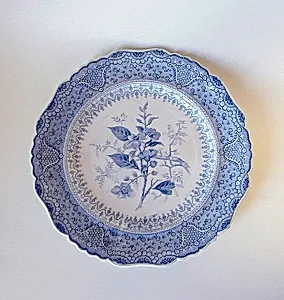
Medium
ceramics
Classification
ceramics
Department
Smithsonian Collection
Museum
Smithsonian American Art Museum
Credit
Gift of Paul F. Walter
Accession Number
2001-25-13
Rights
Public Domain
About this artwork
Research in Progress
Art Historical Context
"Asiatic Plants" is captivating ceramic artwork from the mid-19 century, created by an unknown artist and now housed in the Smithsonian Art Museum's ceramics collection. This piece, generously gifted by Paul F. Walter, the decorative arts of its era, where ceramics served as both functional objects and canvases for artistic expression. The title evokes delicate renderings of exotic flora, hinting at the era's fascination with botanical motifs drawn from distant lands. In the mid-1800s, ceramics flourished amid the Industrial Revolution, enabling mass production of intricate porcelain and earthenware adorned with nature-inspired designs. "Asiatic Plants" likely reflects the growing Western interest in Asian aesthetics, fueled by trade and exploration—think chinoiserie influences blending Eastern flora with European craftsmanship. Techniques such as underglaze painting or molded reliefs would have brought these plants to life in vibrant, enduring color, showcasing the technical prowess of anonymous artisans. Though research on this piece is ongoing, its presence in the Smithsonian invites us to ponder the cultural exchanges that shaped 19th-century design. A quiet testament to global curiosity, it reminds visitors how everyday ceramics captured the world's wonders. (198 words)
About the Artist
Unknown
The artist designated as "Unknown" in our virtual museum's collection exemplifies a poignant chapter in art history: creators whose identities have faded into obscurity despite the enduring power of their work. With only one known artwork attributed to them in our holdings, this figure represents countless anonymous hands that shaped visual culture across centuries. Museums worldwide, including th...