
Brisé fan
early 19th–early 20th century
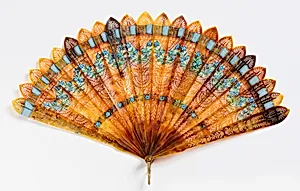
Classification
costume & accessories
Department
Smithsonian Collection
Museum
Smithsonian American Art Museum
Credit
Gift of Anonymous Donor
Accession Number
1952-161-213
Rights
Public Domain
About this artwork
Research in Progress
Art Historical Context
Step into the elegant world of 19th fashion with this exquisite *Brisé fan*, a delicate accessory from the early 19th to early 20th century. Named for the French term "brisé" meaning "broken" or "pierced,"isé fans feature slender sticks—often crafted from fine materials like ivory or bone—that are intricately latticed and joined by ribbons or sheer fabric, creating a lightweight, ornamental design without a traditional leaf. This Smithsonian American Art Museum treasure, classified under costume and accessories, exemplifies the artistry of personal adornments that blended functionality with sophistication. During the Regency, Victorian, and Edwardian eras, such fans were essential for women in social settings, serving as tools for cooling, signaling, and subtle flirtation amid the rigid etiquette of high society. Their pierced construction allowed for intricate patterns that caught the light, showcasing craftsmanship that rivaled jewelry. Donated anonymously to the Smithsonian Collection, this fan highlights the evolution of everyday luxury in American material culture. Though research continues to uncover its precise origins and medium, the *Brisé fan* invites us to appreciate the unsung beauty of historical ephemera—objects that whispered stories in ballrooms long past. (198 words)
About the Artist
Unknown
The artist designated as "Unknown" in our virtual museum's collection exemplifies a poignant chapter in art history: creators whose identities have faded into obscurity despite the enduring power of their work. With only one known artwork attributed to them in our holdings, this figure represents countless anonymous hands that shaped visual culture across centuries. Museums worldwide, including th...