
Chess Piece, probably a Pawn
Unknown Artist
8th–11th century
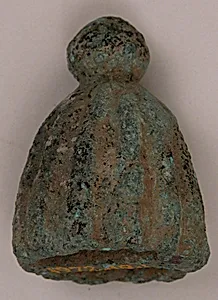
Medium
Bronze
Dimensions
H. 1 3/8 in. (3.5 cm)
Classification
Gaming pieces
Department
Islamic Art
Museum
Metropolitan Museum of Art, New York, NY
Credit
Pfeiffer Fund, 1972
Accession Number
1972.119.1
Rights
Public Domain
Tags
Art Historical Context
This petite bronze chess piece, likely pawn from the 8–11th century, a glimpse into the vibrant of Islamic gaming culture during the early medieval period. Crafted in the Islamic Art tradition, it hails from a time when chess—known as *shatranj*—had evolved from its Indian origins and flourished across the Abbasid Caliph. Pawns like this one represented humble foot soldiers on the board, embodying the game's strategic depth that captivated scholars, caliphs, and everyday players alike. Bronze was an ideal medium for such durable, portable gaming pieces, often produced through sophisticated lost-wax casting techniques that allowed for intricate details despite the object's modest height of just 1 3/8 inches (3.5 cm). These artifacts highlight the exceptional metalworking skills of Islamic artisans, who blended functionality with subtle artistry in everyday objects. Housed in the Metropolitan Museum of Art's Islamic Art department (acquired via the Pfeiffer Fund in 1972), this pawn underscores chess's role as more than mere entertainment—it symbolized intellect, tactics, and cultural exchange along trade routes from Persia to Spain. Imagine medieval opponents huddled over similar sets, pondering their next move!