
Coin
Unknown Artist
8th century
Medium
Copper
Classification
Coins
Department
Islamic Art
Museum
Metropolitan Museum of Art, New York, NY
Credit
Rogers Fund, 1939
Accession Number
39.40.127.383
Rights
Public Domain
Art Historical Context
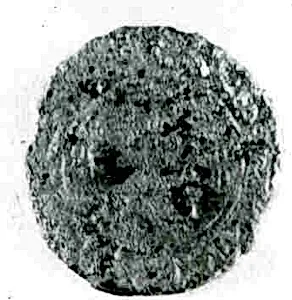
This 8th-century copper coin, housed in the Metropolitan Museum of Art's Islamic Art department, offers a tangible glimpse into the early Islamic world. Minted during a transformative era—likely under the Umayyad or Abbasid caliphates—such coins circulated across vast empires stretching from Spain to Central Asia. Acquired through the Rogers Fund in 1939, it exemplifies the numismatic artistry that supported burgeoning trade networks and administrative uniformity. Crafted from copper, a practical medium for everyday transactions (known as *fals* in Arabic), the coin reflects advanced minting techniques of the time. Struck with engraved dies, these pieces bore inscriptions in Arabic Kufic script, often featuring the caliph's name, mint location, and date—serving not just as currency but as portable propaganda and historical records. Unlike earlier Byzantine or Sasanian influences, Islamic coins emphasized aniconism, focusing on text over imagery to align with emerging religious ideals. As a classified artifact in the Coins collection, this unassuming object underscores the cultural zenith of Islamic metallurgy and epigraphy. For visitors, it humanizes a dynamic period of conquest, scholarship, and economic innovation, reminding us how even small tokens shaped civilizations.