
Coin
Unknown Artist
8th–9th century
Medium
Copper
Classification
Coins
Department
Islamic Art
Museum
Metropolitan Museum of Art, New York, NY
Credit
Rogers Fund, 1939
Accession Number
39.40.127.387
Rights
Public Domain
Art Historical Context
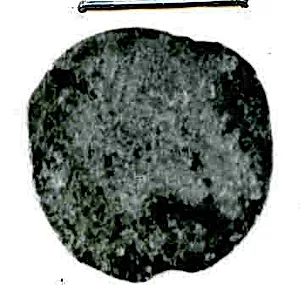
This unassuming copper coin, dating to the 8th–9th century, offers a tangible glimpse into the vibrant world of early Islamic civilization. Housed in the Metropolitan Museum of Art's Islamic department and acquired through the Rogers Fund 1939, it the practical artistry of medieval coinage. During this era, the Islamic world—spanning from the Iberian Peninsula to Central Asia—was a hub of trade, scholarship, and cultural exchange under caliphates like the Abbasids, and coins served as both economic lifelines and symbols of authority. Crafted from copper, a durable and affordable medium ideal for everyday transactions, this piece likely functioned as a dirham or fals, circulating in bustling markets from Baghdad to Damascus. Islamic minting techniques, involving precisely struck dies, allowed for intricate designs—often featuring flowing Arabic script with religious invocations, dates, or rulers' titles. These elements transformed functional money into miniature works of calligraphy, blending utility with aesthetic elegance and reflecting the era's emphasis on aniconism (avoiding human or animal images). Though the artist remains unknown, such coins highlight numismatics as a key art form in Islamic culture, preserving historical records and fostering economic unity across diverse regions. Pause here to imagine it changing hands in a medieval souk—a small artifact with a big story!