
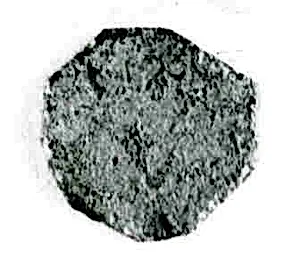
Coin
Unknown Artist
5th–14th century
Medium
Copper
Classification
Coins
Department
Islamic Art
Museum
Metropolitan Museum of Art, New York, NY
Credit
Rogers Fund, 1939
Accession Number
39.40.127.437
Rights
Public Domain
Art Historical Context
This unassuming copper coin, dating from the 5th to 14th century, offers a tangible glimpse into the vast Islamic world, where numismatics served as both economic lifeline and artistic canvas. Housed in the Metropolitan Museum of Art's Islamic Department (acquired through the Rogers Fund in 9), it represents everyday currency from an era spanning early caliphates to medieval sultanates, when trade routes like the Silk Road connected distant realms from Spain to India. Crafted from durable copper—a practical choice for smaller denominations—the coin exemplifies the refined techniques of Islamic minting, often featuring intricate Arabic calligraphy that conveyed rulers' names, dates, and religious phrases rather than figurative images, aligning with aniconic traditions. These portable artworks were not just money but symbols of authority and faith, circulating through bustling bazaars and funding grand endeavors. Today, such coins illuminate the cultural and economic dynamism of medieval Islam, reminding us how even the smallest artifacts preserve stories of innovation and interconnectedness. A quiet treasure in the Met's collection, it invites visitors to ponder the hands that once exchanged it.