
Coin
Unknown Artist
ca. 797
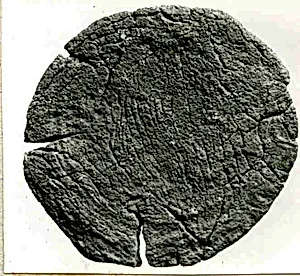
Medium
Copper
Classification
Coins
Department
Islamic Art
Museum
Metropolitan Museum of Art, New York, NY
Credit
Rogers Fund, 1939
Accession Number
39.40.127.577
Rights
Public Domain
Art Historical Context
This copper coin, dating to around 797 CE, is a modest yet profound artifact from the Islamic world, likely produced during the Abbasid Calate's flourishing era under caliphs like Harun al-Rid. Acquired through the Rogers Fund in 1939 for the Metropolitan Museum of Art's Art department, it exemplifies early medieval numismatics—small-scale objects that powered trade across vast empires from Baghdad to beyond. Crafted from durable copper, the coin served everyday economic needs, circulating as a fals (a low-denomination piece) alongside silver dirhams. Islamic coinage of this period is artistically significant for its shift away from Byzantine or Sasanian figurative imagery toward purely epigraphic designs: elegant Arabic inscriptions bearing dates, rulers' names, and religious phrases like the Shahada. This aniconic style reflected theological preferences against idolatry while showcasing masterful calligraphy as high art. For museum visitors, this unassuming coin reveals the interconnectedness of faith, governance, and commerce in medieval Islam, bridging the tangible world of merchants with the abstract beauty of script. It's a reminder that history's grand narratives often hide in our pockets.