
Fragment of a Tunic
Unknown Artist
6th–7th century
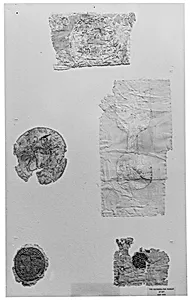
Medium
Linen, silk; plain weave (?)
Dimensions
Mounted: H. 10 1/4 in. (26 cm) W. 18 7/8 in. (48 cm)
Classification
Textiles
Department
Islamic Art
Museum
Metropolitan Museum of Art, New York, NY
Credit
Gift of George F. Baker, 1890
Accession Number
90.5.27
Rights
Public Domain
Art Historical Context
This delicate *Fragment of a Tunic offers a glimpse into the daily elegance of 6th–7th century life during the early Islamic period. Crafted from linen and silk in a plain weave—a fundamental textile technique that interlaces warp and weft threads for durability and subtle texture—this mounted piece measures 10¼ inches high by 18⅞ inches wide. Likely part of a garment worn in regions like Egypt or the Near East, it exemplifies practical artistry of ancient weavers who blended humble linen with luxurious silk, a material prized for its sheen and imported along vibrant Silk Road trade routes. Textiles like this were cultural treasures, preserving vibrant dyes and patterns that reveal technological sophistication and aesthetic tastes of the era. The plain weave, while simple, allowed for intricate designs and was ideal for clothing that withstood the region's climates. Housed in the Metropolitan Museum of Art's Islamic Art Department, this fragment highlights how such artifacts bridge late antiquity and the dawn of Islam, showcasing continuity in craftsmanship amid profound historical shifts. A generous gift from George F. Baker in 1890, it reminds us how fragments can speak volumes—evoking the touch of silk on skin and the hum of ancient looms in bustling markets.