
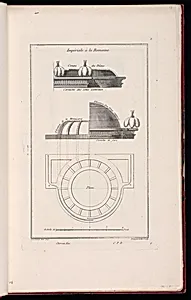
Impériale à la Romaine
Classification
Department
Smithsonian Collection
Museum
Smithsonian American Art Museum
Credit
Purchased for the Museum by the Advisory Council
Accession Number
1921-6-331-13
Rights
Public Domain
About this artwork
Research in Progress
Art Historical Context
Richard de Lalonde, a engraver active from 1780 to 1796, created *Impériale à laaine* between 1775 and 1788, capturing the height of neoclassical fashion in-Revolutionary France. The title, meaning "Imperial in the Roman Style evokes the era's obsession with ancient Rome, where aristocrats like Marie Antoinette Greco-Roman motifs in dress, hairstyles, and accessories. a print from the Smithsonian American Art Museum collection—purchased by the Advisory Council—this work reflects how visual culture bridged European trends across the Atlantic, influencing early American tastes. Lalonde specialized in detailed fashion plates and equestrian scenes, using prints to disseminate elite styles rapidly through affordable reproductions. Though the exact medium remains under research, such prints were typically etchings or engravings, prized for their precision in rendering fabrics, plumes, and elaborate coiffures inspired by imperial busts. This piece highlights fashion's role as cultural diplomacy, blending artistry with social commentary on luxury amid looming revolution. Today, it offers a window into 18th-century glamour, reminding us how style echoed empire and antiquity. (178 words)