
Jar with Lid
Unknown Artist
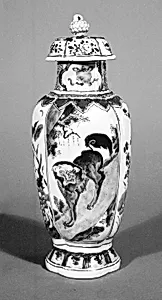
Medium
Porcelain decorated in famille verte enamels
Dimensions
H. with lid 12 1/8 in. (30.8 cm); W. 4 3/4 in. (12.1 cm); D. 4 in. (10.2 cm)
Classification
Ceramics
Culture & Period
China · Qing dynasty (1644–1911), Kangxi period (1662–1722)
Department
Asian Art
Museum
Metropolitan Museum of Art, New York, NY
Credit
Gift of Mrs. Walter Sachs, 1964
Accession Number
64.166.3a, b
Rights
Public Domain
Tags
Art Historical Context
This elegant *Jar with Lid* hails from China's Qing dynasty during the Kangxi period (1662–1722), a golden era for imperial porcelain production at the famed Jingdezhen kilns. Standing at 12⅛ inches tall with its lid, this piece exemplifies the technical virtuosity of the time, when potters and enamellers pushed the boundaries of ceramic artistry to create objects prized by emperors and exported worldwide. Crafted from fine porcelain and adorned in *famille verte* enamels—vibrant overglaze colors dominated by lush greens, alongside yellows, reds, and blues—the jar showcases a sophisticated technique. These enamels, fired at lower temperatures after the initial high-fire glazing, allowed for intricate designs, often featuring lively animal motifs that symbolize prosperity, longevity, and harmony in Chinese culture. Such jars served both practical purposes, like storing spices or oils, and decorative ones, gracing scholarly studios or elite households. A gift to the Metropolitan Museum of Art from Mrs. Walter Sachs in 1964, this anonymous masterpiece invites us to marvel at Kangxi innovation, blending utility with breathtaking beauty that continues to captivate today.