
Knife
Unknown Artist
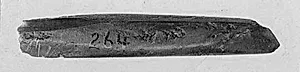
Medium
Nephrite, light spinach-green
Dimensions
H. 2 7/8 in. (7.3 cm); W. 7/16 in. (1.1 cm); D. 3/8 in. (1 cm)
Classification
Jade
Culture & Period
North America (Alaska, Kotzebue Sound) · Prehistoric
Department
Asian Art
Museum
Metropolitan Museum of Art, New York, NY
Credit
Gift of Heber R. Bishop, 1902
Accession Number
02.18.264
Rights
Public Domain
Art Historical Context
This slender prehistoric knife, crafted from light spinach-green nephrite, hails from the Kotzebue Sound region of Alaska in North America. Measuring just 2⅞ inches in height, it exemplifies the compact, functional tools made by ancient Arctic peoples during the prehistoric period. Nephrite, a tough variety of jade prized for its durability and ability to hold a sharp edge, was meticulously carved and polished by hand, showcasing remarkable stone-working skill without metal tools. In the harsh environment of prehistoric Alaska, such knives were essential for daily survival, used for cutting tough materials like sinew, hide, and bone. This artifact reflects the ingenuity of Indigenous cultures in the region, who sourced local nephrite deposits—some of the finest in the world—and transformed them into both practical implements and symbols of craftsmanship. Its presence in the Metropolitan Museum of Art's Asian Art Department, as a 1902 gift from collector Heber R. Bishop, highlights early 20th-century fascination with global jade traditions, bridging continents through shared material reverence. Today, this unassuming blade invites us to appreciate the artistry in utility, reminding visitors of the sophisticated technologies developed by North America's earliest innovators millennia ago.