
Peep-Show Print
mid-18th century
Medium
Classification
Department
Smithsonian Collection
Museum
Smithsonian American Art Museum
Credit
Gift of Eleanor and Sarah Hewitt
Accession Number
1931-94-393
Rights
Public Domain
About this artwork
Research in Progress
Art Historical Context
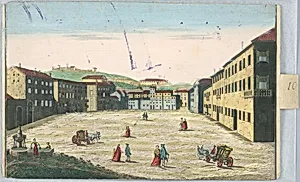
Step into the whimsical world of 18th optical amusements with *Peep-Show Print a captivating mid-18th-century from the Smithsonian American Art's collection. Created by an unknown artist, print was designed for peep-show devices—simple with lenses that transformed flat images into enchanting, pseudo-three-dimensional scenes. Viewers would peer through a small hole, delighting in lively vignettes of daily life, exotic travels, or fantastical events, making art accessible to everyday people. As a print medium, it exemplifies the era's revolutionary printing techniques like engraving or etching, which enabled affordable mass production. These peep-show prints democratized entertainment, turning street vendors' wares into portable windows on the world. Popular across Europe and early America, they reflected a growing fascination with perspective and illusion, bridging art and popular culture. Generously gifted by collectors Eleanor and Sarah Hewitt, this piece highlights ongoing research into vernacular graphics. Though details are still emerging, *Peep-Show Print* invites us to appreciate how simple paper sparked wonder, foreshadowing modern stereoscopes and virtual reality. (178 words)
About the Artist
Unknown
The artist designated as "Unknown" in our virtual museum's collection exemplifies a poignant chapter in art history: creators whose identities have faded into obscurity despite the enduring power of their work. With only one known artwork attributed to them in our holdings, this figure represents countless anonymous hands that shaped visual culture across centuries. Museums worldwide, including th...