
Peep-Show Print
mid-18th century
Classification
Department
Smithsonian Collection
Museum
Smithsonian American Art Museum
Credit
Gift of Eleanor and Sarah Hewitt
Accession Number
1931-94-398
Rights
Public Domain
About this artwork
Research in Progress
Art Historical Context
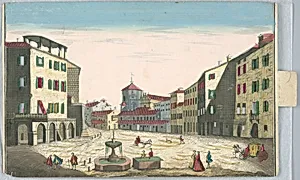
Step into the whimsical world of 18th optical amusements with *Peep-Show Print a captivating example from the mid-1700s housed in the Smithsonian American Art's Smithsonian Collection. Created by an unknown artist, this print exemplifies the era's fascination with illusion and spectacle. As a classified print—though its exact medium awaits further research—it was designed for interactive viewing through a small peephole or simple viewing device, transforming flat paper into a seemingly three-dimensional scene. Peep-show prints emerged as popular ephemera across Europe and early America, offering affordable entertainment to the masses amid the Enlightenment's curiosity-driven culture. These clever artworks used techniques like shading, perspective, and cutouts to create depth, delighting viewers with vignettes of daily life, exotic locales, or fantastical vistas. They bridged art and toy, reflecting a time when visual tricks captivated audiences long before photography or cinema. Generously gifted by collectors Eleanor and Sarah Hewitt, this piece highlights ongoing research into colonial-era graphic arts. Though details are still unfolding, *Peep-Show Print* invites us to ponder how everyday objects sparked wonder, reminding modern visitors of art's playful power to bend reality. (198 words)
About the Artist
Unknown
The artist designated as "Unknown" in our virtual museum's collection exemplifies a poignant chapter in art history: creators whose identities have faded into obscurity despite the enduring power of their work. With only one known artwork attributed to them in our holdings, this figure represents countless anonymous hands that shaped visual culture across centuries. Museums worldwide, including th...