
Piece
Unknown Artist
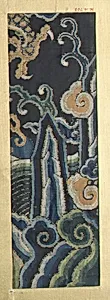
Medium
Silk
Dimensions
11 x 3 1/2 in. (27.94 x 8.89 cm)
Classification
Textiles-Woven
Culture & Period
China · Qing dynasty (1644–1911), Kangxi period (1662–1722)
Department
Asian Art
Museum
Metropolitan Museum of Art, New York, NY
Credit
Gift of Mr. and Mrs. H. O. Havemeyer, 1896
Accession Number
96.14.708
Rights
Public Domain
Art Historical Context
This delicate silk textile fragment, simply titled *Piece*, hails from China's Qing dynasty during the Kangxi period (1662–1722), a golden age of artistic refinement under Emperor Kangxi's patronage. Measuring just 11 x 3½ inches, this woven silk exemplifies the exquisite craftsmanship of imperial workshops, where silk production reached unparalleled sophistication. Woven textiles like this were prized for their luminous sheen and intricate patterns, often reserved for elite garments, furnishings, or ceremonial objects, symbolizing wealth and cultural prestige. In the Kangxi era, silk weaving techniques evolved with innovations in looms and dyes, producing fabrics that blended functionality with artistry. This narrow strip may have been part of a larger robe or banner, showcasing the period's mastery of brocading and supplementary weft weaves for textured motifs—though specifics remain elusive due to its fragmentary state. Silk, China's ancient "secret," powered global trade and diplomacy, underscoring the Qing court's economic and aesthetic dominance. Generously gifted to the Metropolitan Museum of Art in 1896 by Mr. and Mrs. H. O. Havemeyer, renowned collectors, this piece invites us to marvel at the tactile elegance of 18th-century Chinese luxury. Though unattributed, it whispers of artisans' skill, preserved for modern eyes.