
Varieties of Lychee Fruit
Medium
Handscroll; ink and color on silk
Dimensions
10 7/8 x 83 1/8 in. (27.6 x 211.1 cm)
Classification
Paintings
Culture & Period
China · Song dynasty (?) (960–1279)
Department
Asian Art
Museum
Metropolitan Museum of Art, New York, NY
Credit
From the Collection of A. W. Bahr, Purchase, Fletcher Fund, 1947
Accession Number
47.18.95
Rights
Public Domain
Tags
Art Historical Context
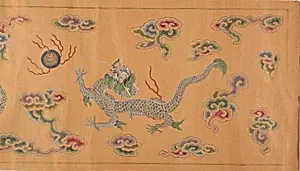
**Varieties of Lychee Fruit a captivating handscroll from the Song (960–1279), showcases the exquisite tradition of Chinese nature painting. Created in ink and color on, this narrow yet elongated work (27.6 x 211.1 cm) like a storybook, inviting viewers to slowly reveal its detailed depictions of lychee fruits in various forms. Attributed possibly to Emperor Gaozong, Southern Song ruler and noted artist, it exemplifies the period's fascination with botanical precision, blending scientific observation with poetic elegance. Lychees held cultural prestige in imperial China, symbolizing rarity and imperial favor—famously transported at great expense for emperors. This scroll likely celebrates their diversity, rendered with Song artists' hallmark mastery of texture and form: delicate brushstrokes capture the fruit's bumpy skins, glistening juices, and branching stems. Dragons, subtly incorporated as auspicious motifs, evoke imperial power and harmony with nature, a nod to the era's Confucian ideals. Housed in the Metropolitan Museum of Art's Asian Art collection (acquired in 1947 from A. W. Bahr), this anonymous yet regal work highlights Song painting's influence on later traditions, offering a window into a refined world where art mirrored life's fleeting beauties.