
Edo Period
Japan's Edo period brought peace and cultural flourishing after centuries of civil war. This era produced ukiyo-e woodblock prints, kabuki theater, and distinctive decorative arts. Artists captured the "floating world" of urban entertainment, celebrated nature, and developed techniques that would later influence Western Impressionism.
Historical Context
Under the Tokugawa shogunate, Japan enforced strict isolationist policies while experiencing domestic peace and economic growth. Urban culture thrived in Edo (Tokyo), with a prosperous merchant class patronizing artists who documented contemporary life, theater, and pleasure districts.
Key Characteristics
- Ukiyo-e woodblock prints with bold outlines
- Flat perspective and decorative patterns
- Emphasis on line and silhouette
- Subjects from kabuki theater and courtesans
- Landscape series and nature studies
Explore Edo Period Artworks
1,636 artworks from 1603-1868 available in our collection
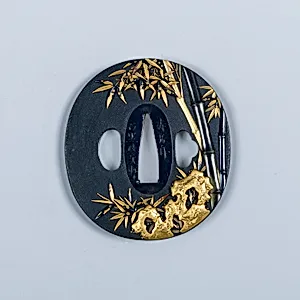
Sword Guard (Tsuba)
Ishiguro Masayoshi
19th century
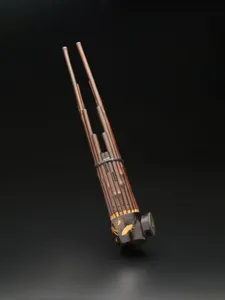
Shō
Unknown Artist
19th century
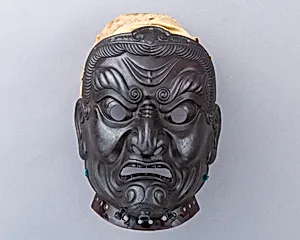
Mask
Myōchin Muneakira
dated 1745
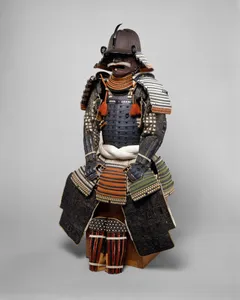
Armor (<i>Gusoku</i>)
Bamen Tomotsugu
18th century
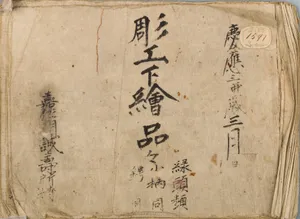
Various Designs for the Chiseller (Chōkō Shitae Shinajina)
Togyoku, and others
dated 1867
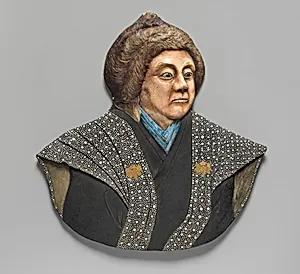
Bust
Miyagawa Kozan
1865–83
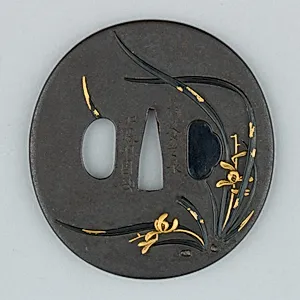
Sword Guard (Tsuba)
Unknown Artist
1858
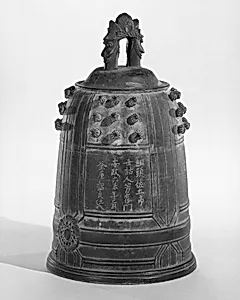
Densho (殿鐘)
Unknown Artist
ca. 1856
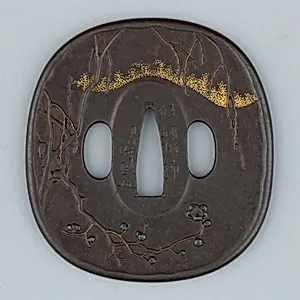
Sword Guard (Tsuba)
Unknown Artist
ca. 1860
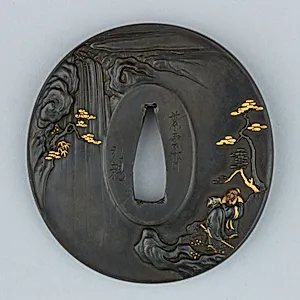
Sword Guard (Tsuba)
Unknown Artist
ca. 1830
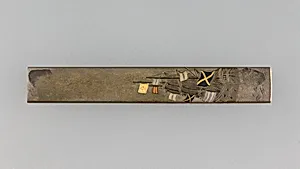
Knife Handle (Kozuka)
Unknown Artist
mid-19th century
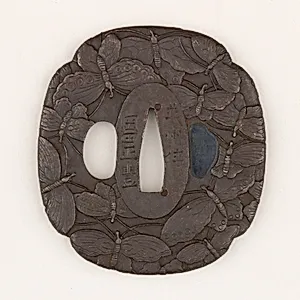
Sword Guard (Tsuba)
Unknown Artist
ca. 1830–1860
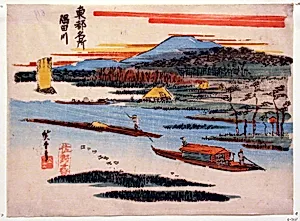
Boat on the Sumida
Utagawa Hiroshige
1817–58
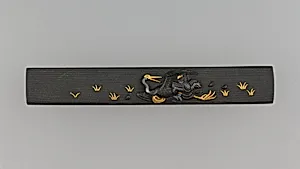
Knife Handle (Kozuka)
Unknown Artist
1816–56
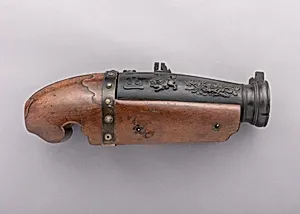
Hand Cannon
Unknown Artist
19th century
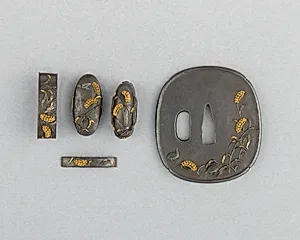
Set of Sword Fittings (Mitokoromono)
Ginshōtei Tōmei
19th century
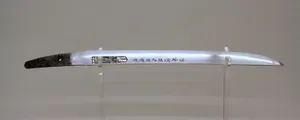
Blades and Mountings for a Pair of Swords (Daishō)
Naotane Taikei|Honjō Yoshitane|Yukinaka
blades, dated 1839; mountings, 19th century
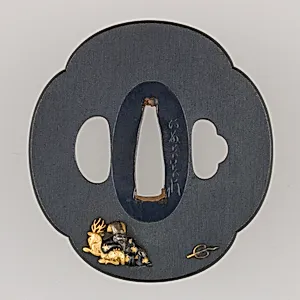
Sword Guard (Tsuba)
Gotō Mitsuakira
19th century
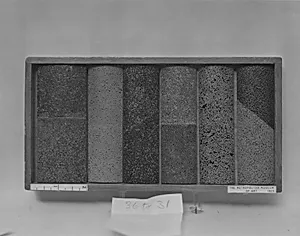
Lacquer Samples
Unknown Artist
19th century
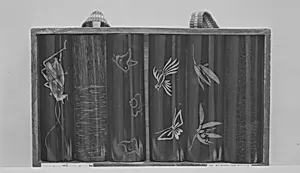
Lacquer Samples
Unknown Artist
19th century
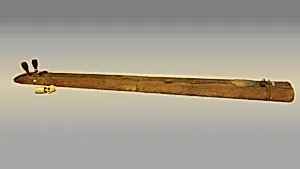
Nigenkin ( 二弦 琴 )
Asano Tōshichi
19th century
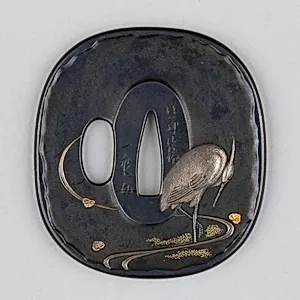
Sword Guard (Tsuba)
Gotō Ichijō
19th century
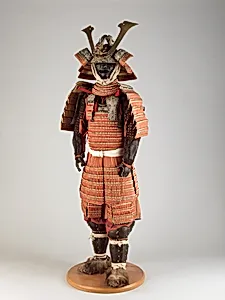
Armor (Gusoku)
Unknown Artist
19th century
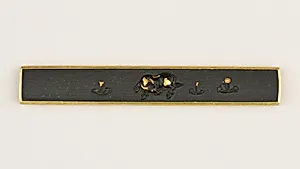
Knife Handle (Kozuka)
Gotō Mitsuyoshi (Shinjō)
19th century
Explore Other Periods
Ancient Egypt
3000 BCE - 30 BCE
Ancient Egyptian art spans over three millennia, representing one of humanity's longest continuous artistic traditions. From the pyramids of Giza to the treasures of Tutankhamun's tomb, Egyptian artists created works of extraordinary beauty and symbolic power that served religious, funerary, and political purposes.
Greek & Roman
800 BCE - 476 CE
Classical antiquity produced the artistic ideals that shaped Western civilization. Greek artists pioneered naturalistic human representation, while Romans excelled in portraiture, engineering, and monumental architecture. Together, they established standards of beauty, proportion, and artistic excellence that artists would return to for millennia.
Medieval
500-1400
Medieval art encompasses nearly a thousand years of artistic production, from the fall of Rome to the dawn of the Renaissance. This period saw the development of Byzantine mosaics, Romanesque monasteries, Gothic cathedrals, and illuminated manuscripts—all serving primarily religious purposes with a focus on spiritual rather than naturalistic representation.