
Medieval Art
Medieval art encompasses nearly a thousand years of artistic production, from the fall of Rome to the dawn of the Renaissance. This period saw the development of Byzantine mosaics, Romanesque monasteries, Gothic cathedrals, and illuminated manuscripts—all serving primarily religious purposes with a focus on spiritual rather than naturalistic representation.
Historical Context
Following the Roman Empire's collapse, the Catholic Church became the primary patron of arts in Western Europe. Monasteries preserved classical learning while developing new artistic forms. The Crusades brought contact with Byzantine and Islamic cultures, while growing cities funded magnificent Gothic cathedrals.
Key Characteristics
- Symbolic rather than naturalistic representation
- Gold backgrounds representing divine light
- Hierarchical scaling based on spiritual importance
- Illuminated manuscripts with intricate decoration
- Gothic architecture with soaring heights and stained glass
Related Art Movements
Explore Medieval Artworks
9,217 artworks from 500-1400 available in our collection
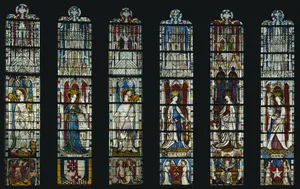
The Virgin Mary and Five Standing Saints above Predella Panels
Unknown Artist
1440–46
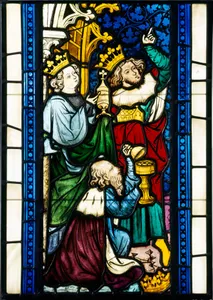
Adoration of the Magi from Seven Scenes from the Life of Christ
Unknown Artist
ca. 1390
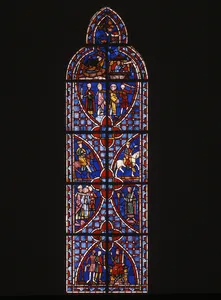
Scenes from the Legend of Saint Vincent of Saragossa and the History of His Relics
Unknown Artist
ca. 1245–47
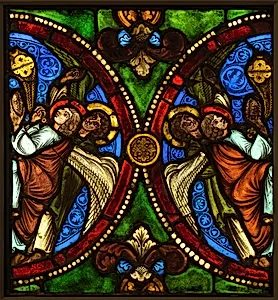
Angels Swinging Censers
Unknown Artist
ca. 1170
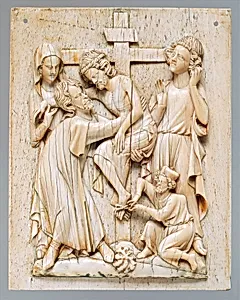
Plaque with the Descent from the Cross
Unknown Artist
ca. 1320–40
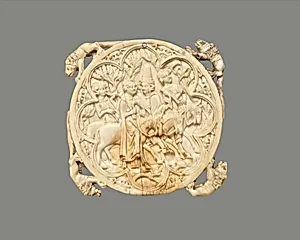
Mirror Case
Unknown Artist
1350–75
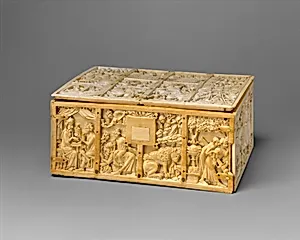
Box with Romance Scenes
Unknown Artist
ca. 1310–30
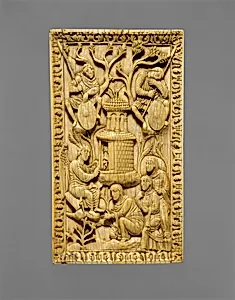
Plaque with the Holy Women at the Sepulchre
Unknown Artist
early 10th century
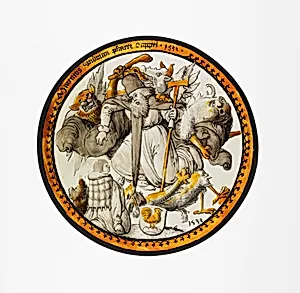
Roundel with the Temptation of Saint Anthony
Unknown Artist
1532
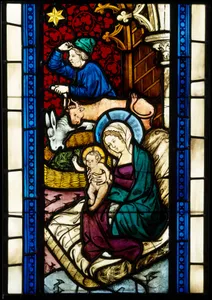
Adoration of the Magi from Seven Scenes from the Life of Christ
Unknown Artist
ca. 1390
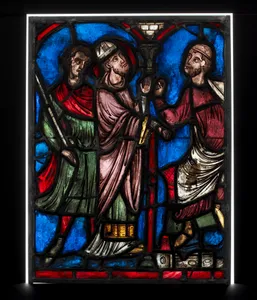
Saint Nicholas Accuses the Consul from Scenes from the Life of Saint Nicholas
Unknown Artist
ca. 1200–1210
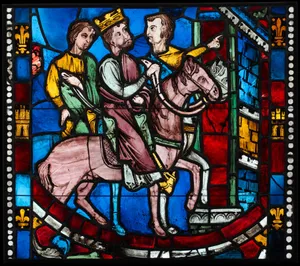
Theodosius Arrives at Ephesus, from a Scene from the Legend of the Seven Sleepers of Ephesus
Unknown Artist
ca. 1200–1210
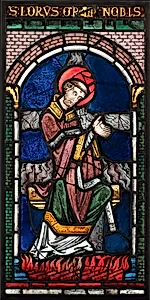
Martyrdom of Saint Lawrence
Unknown Artist
ca. 1180
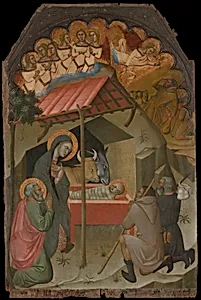
The Adoration of the Shepherds
Bartolo di Fredi
1374
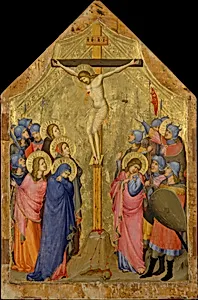
The Crucifixion
Master of the Codex of Saint George
ca. 1330–35
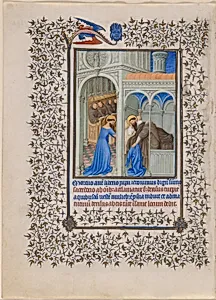
The Belles Heures of Jean de France, duc de Berry
The Limbourg Brothers
1405–1408/1409
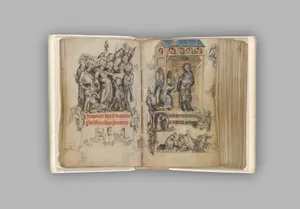
The Hours of Jeanne d'Evreux, Queen of France
Jean Pucelle
ca. 1324–28
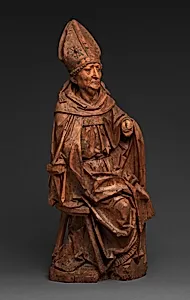
Seated Bishop
Tilman Riemenschneider
ca. 1495
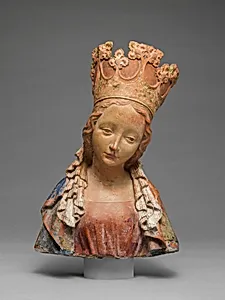
Bust of the Virgin
Unknown Artist
ca. 1390–95
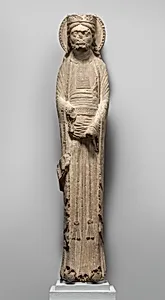
Column Statue of a King
Unknown Artist
ca. 1150–60
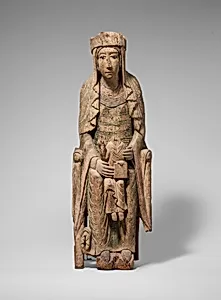
Enthroned Virgin and Child
Unknown Artist
ca. 1130–1140
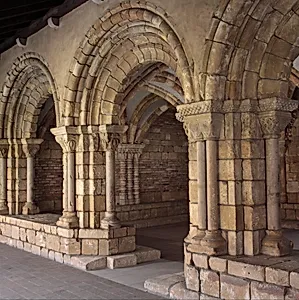
Chapter House from Notre-Dame-de-Pontaut
Unknown Artist
12th century
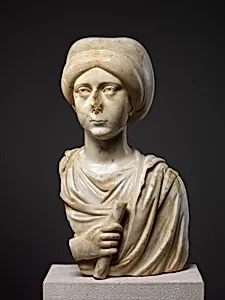
Marble Portrait Bust of a Woman with a Scroll
Unknown Artist
late 4th–early 5th century
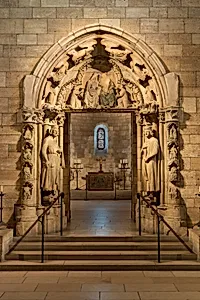
Doorway from Moutiers-Saint-Jean
Unknown Artist
ca. 1250
Explore Other Periods
Ancient Egypt
3000 BCE - 30 BCE
Ancient Egyptian art spans over three millennia, representing one of humanity's longest continuous artistic traditions. From the pyramids of Giza to the treasures of Tutankhamun's tomb, Egyptian artists created works of extraordinary beauty and symbolic power that served religious, funerary, and political purposes.
Greek & Roman
800 BCE - 476 CE
Classical antiquity produced the artistic ideals that shaped Western civilization. Greek artists pioneered naturalistic human representation, while Romans excelled in portraiture, engineering, and monumental architecture. Together, they established standards of beauty, proportion, and artistic excellence that artists would return to for millennia.
19th Century
1800-1899
The 19th century witnessed revolutionary transformations in art, from Neoclassicism through Romanticism, Realism, Impressionism, and Post-Impressionism. This era saw artists breaking from academic traditions, exploring new techniques, and capturing modern life with unprecedented immediacy.