Ctrl K
1600–1700
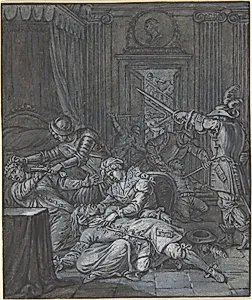
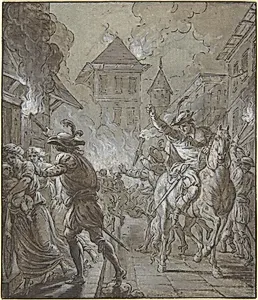
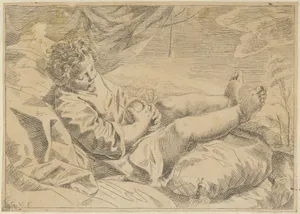
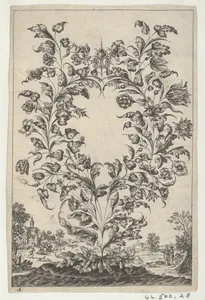
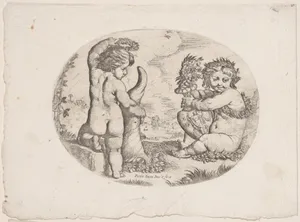
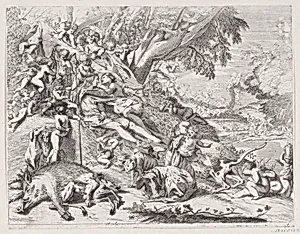
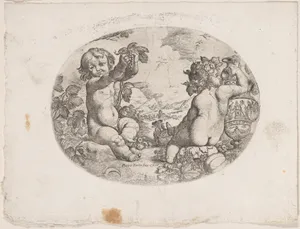
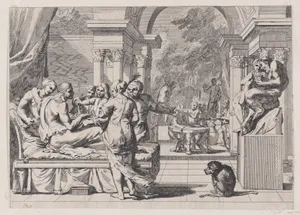
**Anonymous, 17th century** remains one of the most intriguing figures—or rather, non-figures—in art history, representing the countless unnamed painters, draftsmen, and sculptors whose works survive from the Baroque era. Active across Europe between 1600 and 1700, this designation encompasses artists whose identities have been lost to time, yet whose output forms a substantial part of museum collections worldwide, including over one hundred pieces in the present holdings. Without documented names or biographies, details of training, family connections, or personal circumstances are absent, leaving only the artworks themselves to speak.
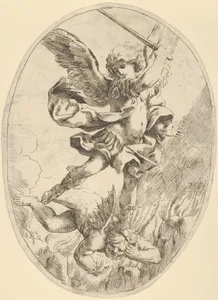
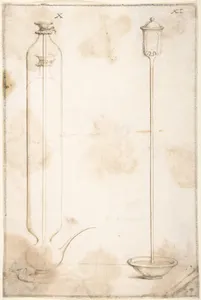
These anonymous creators worked within the dominant artistic traditions of their regions, often in the vibrant Baroque style characterized by dramatic lighting, emotional intensity, and rich detail. Many pieces reflect Flemish, German, Italian, or French influences, with subjects ranging from religious scenes and landscapes to portraits and still lifes. Their techniques—seen in drawings with pen and wash or oil paintings on panel and canvas—demonstrate solid command of composition and perspective, suggesting formal apprenticeships in workshops or guilds, though no specific mentors or art schools can be identified.
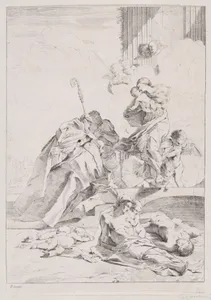
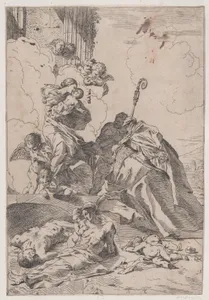
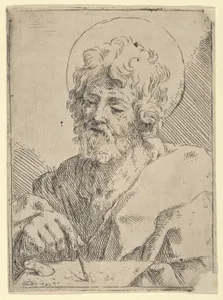
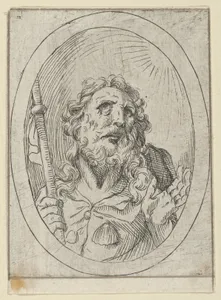
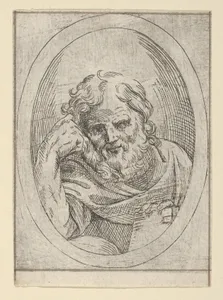
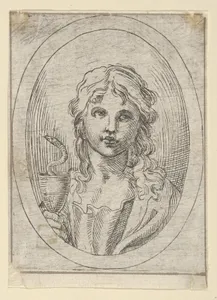
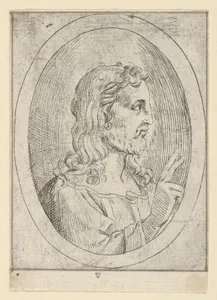
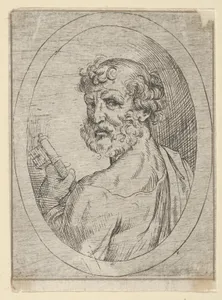
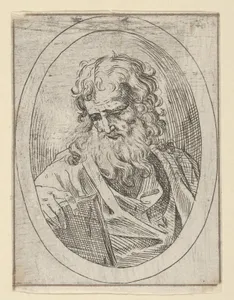
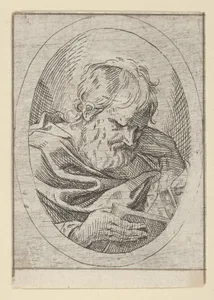
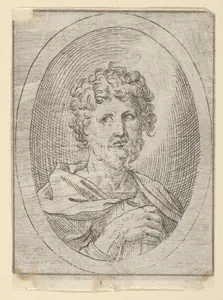
Among the known works are sensitive landscapes with bridges, expressive bust studies, and devotional images such as the Pietà, all executed with the technical assurance typical of the period. These pieces frequently appear in major institutions, where they are catalogued by nationality and century rather than by name, highlighting their role in filling gaps left by better-documented masters.
The legacy of Anonymous, 17th century, lies in the sheer volume and variety of surviving art that enriches our understanding of everyday artistic production during one of Europe’s most dynamic creative centuries. These works continue to offer scholars and viewers insights into regional styles, iconography, and the broader cultural currents of the Baroque age, ensuring that even nameless hands remain vital to the story of art.