Ctrl K
1764–1838
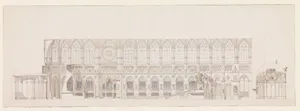
Charles Percier (1764–1838) rose from humble origins in Paris, where his mother laundered for Marie-Antoinette and his father served as a porter at the Tuileries Palace, to become one of France's most influential neoclassical architects and designers. From age twelve, he attended a free drawing school for indigent students, honing his skills in the studio of painter Louis-Jean-François Lagrenée before studying under architect Antoine-François Peyre, whose studio introduced him to lifelong partner Pierre-François-Léonard Fontaine. Percier's prodigious talent earned him the second Prix de Rome in 1783 and the grand Prix de Rome in 1784, funding his studies at the French Academy in Rome alongside Fontaine, where they immersed themselves in classical antiquity until returning to Paris amid the Revolution in 1790–1791.
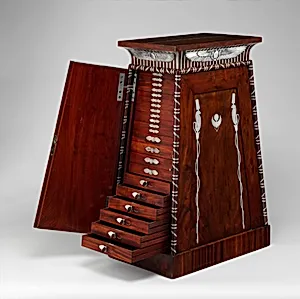
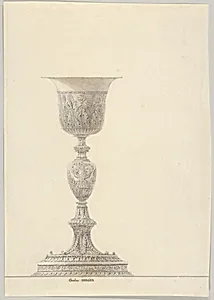
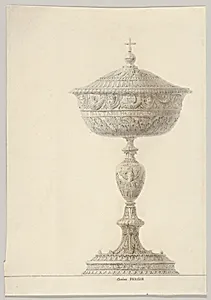
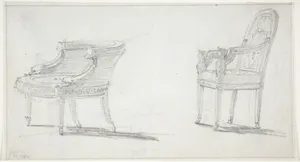
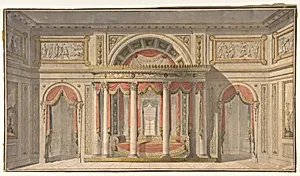
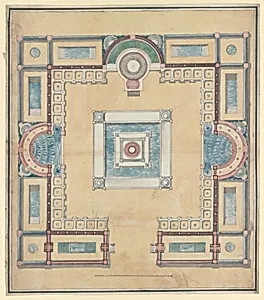
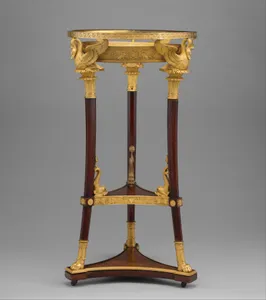
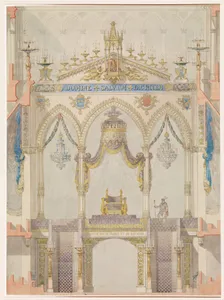
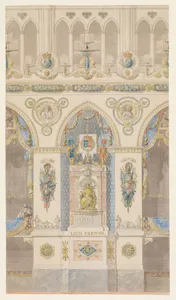
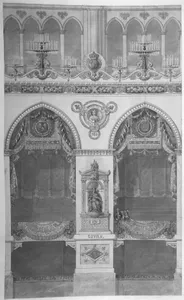
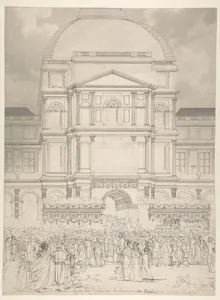
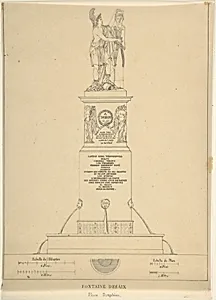
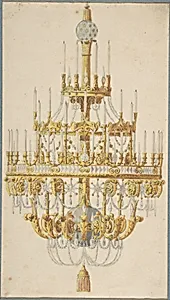
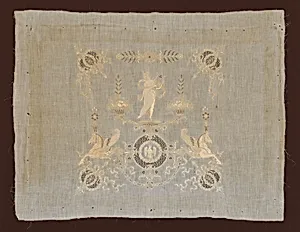
Percier and Fontaine's inseparable collaboration defined Napoleonic grandeur. Appointed *architectes du gouvernement* in 1801, they transformed Paris and imperial residences: refurbishing the Louvre Palace (1802–1812), including its Cour Carrée north wing and Rue de Rivoli arcades; designing the Arc de Triomphe du Carrousel (1806–1808); and outfitting Château de Malmaison for Joséphine Bonaparte (1800–1802), alongside interiors at Fontainebleau, Compiègne, Saint-Cloud, and Pauline Bonaparte's Montgobert with bespoke furniture, lighting, textiles, and hardware. They also supervised Opéra scenery (1792–1796) and decorated elite hôtels particuliers, while Percier crafted Sèvres porcelain like the monumental Londonderry Vase (1814).
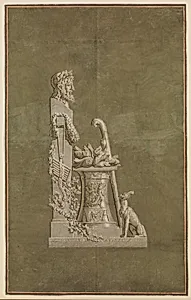
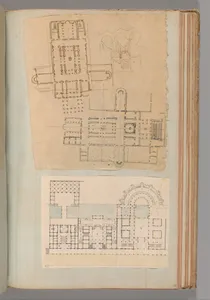
Working in the Empire style tradition—marked by severe yet opulent neoclassicism blending Greco-Roman, Egyptian, and archaeological motifs—they published seminal works like *Palais, maisons et autres édifices modernes dessinés à Rome* (c. 1798) and *Recueil de décoration intérieure* (1812), whose sparse-outline engravings shaped European decorative arts. Percier, the reclusive genius to Fontaine's public persona, taught at the École des Beaux-Arts, mentoring talents like Jacques Hittorff and Hector Lefuel, before retiring post-Napoleon in 1814.
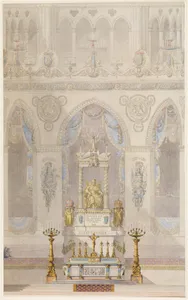
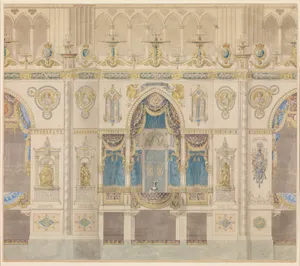
Percier's legacy endures in the Empire style's global ripple—from English Regency to 19th-century production—celebrated in the 2016–2017 Bard Graduate Center exhibition of his 130+ drawings and designs, affirming his synthesis of revolutionary tumult and imperial splendor.