Ctrl K
1755–1826
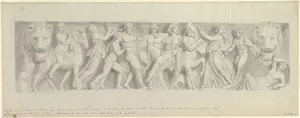
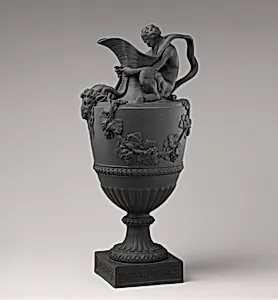
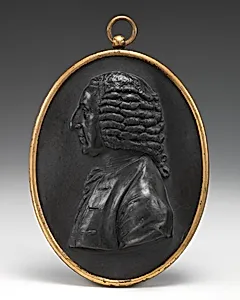
John Flaxman (1755–1826) was born in York, England, the son of John Flaxman Sr., a moulder and seller of plaster casts who ran a studio in London's Covent Garden. Largely self-taught amid his father's stock of classical casts, with minimal formal schooling due to childhood illness, Flaxman displayed prodigious talent early on. At age 12, he won a Society of Arts prize for a medallion; by 15, another followed. He entered the Royal Academy Schools in 1770, securing a silver medal that year, and befriended future luminaries like William Blake and Thomas Stothard through patrons such as George Romney. In 1775, he began modeling wax reliefs for Josiah Wedgwood's jasperware, honing his precise linear style on designs like the Apotheosis of Homer (1778).
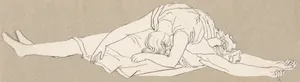
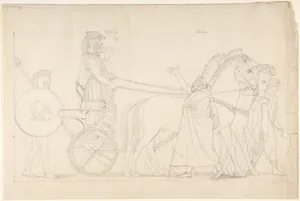
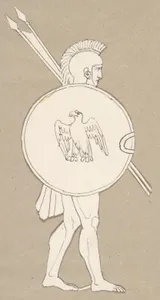
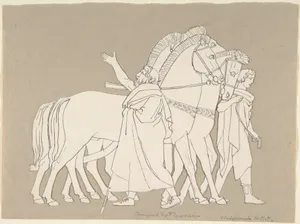
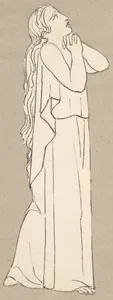
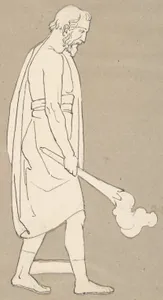
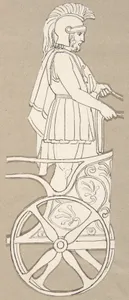
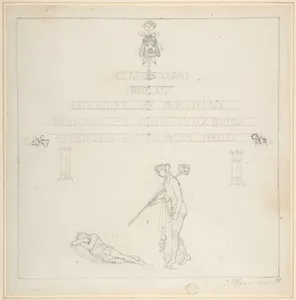
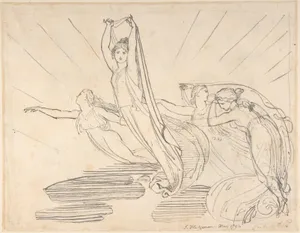
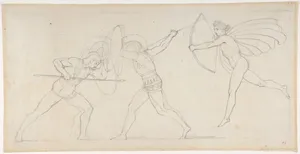
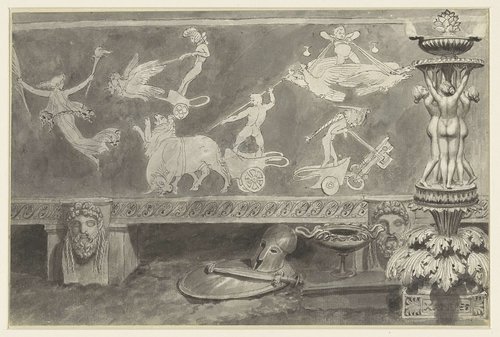
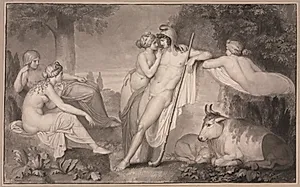
A pivotal figure in British and European Neoclassicism, Flaxman's work fused Greek rhythmic outlines with emotional pathos, domestic tenderness, and moral sincerity, drawing from antique models, Italian medieval, and Renaissance art studied during his seven years in Rome (1787–1794). There, funded partly by Wedgwood, he created outline illustrations for Homer's Iliad and Odyssey (published 1793, engraved by Tommaso Piroli), which spread his influence continent-wide. Elected Royal Academician in 1800 and appointed the Academy's first Professor of Sculpture in 1810, he delivered influential lectures on the art's ethical purpose.
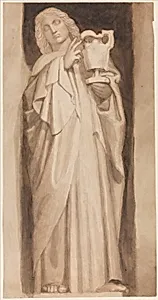
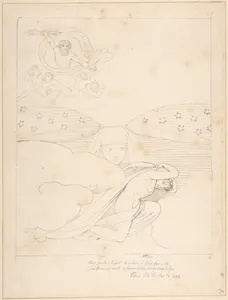
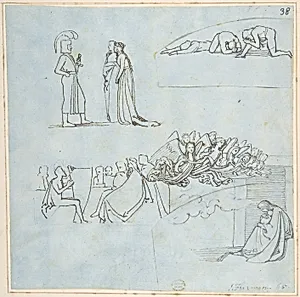
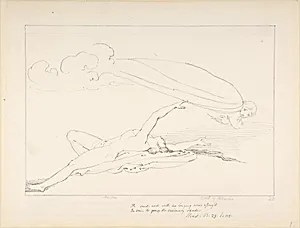
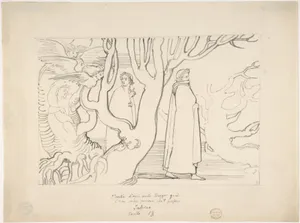
Flaxman's oeuvre spans intimate medallions, grand funerary monuments, and book illustrations. Early commissions included the monument to Thomas Chatterton (1780, St. Mary Redcliffe, Bristol) and Mrs. Morley (1784, Gloucester Cathedral). From Rome came marble groups like Fury of Athamas (1790–1794, Ickworth) and Cephalus and Aurora (1790s, Lady Lever Art Gallery). Post-return highlights feature Westminster Abbey monuments to Lord Mansfield (1793–1801) and Pasquale Paoli (1798); St. Paul's Cathedral memorials for Nelson (1808–1818) and Sir Joshua Reynolds (1807); and illustrations for Dante's Divine Comedy (1802/1807), Aeschylus (1795), and Hesiod (1817, engraved by Blake).
Flaxman's legacy endures in UCL's Flaxman Gallery, holding his casts and archives, and through designs still produced by Wedgwood. Praised by Goethe as the "idol of dilettanti," his stark outlines inspired Goya, Ingres, and 19th-century academies, bridging classical purity with modern sentiment while elevating British sculpture to rival Canova and Thorvaldsen.