Ctrl K
1570–1616
Occupations
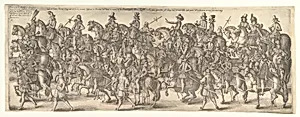
Jacques Bellange (c. 1575–1616) was a French artist and printmaker active in the independent Duchy of Lorraine, now part of France. Believed to have been born in the Bassigny region south of Nancy, his early life and training remain sparsely documented, with no records of specific teachers or mentors. He first appears in historical records in 1595 at La Mothe, where he took on an apprentice, suggesting prior professional experience. By 1602, Bellange had risen swiftly in Nancy as a court painter to the Dukes of Lorraine, including Henri II, executing lavish decorations for palaces, triumphal arches, ballets, and portraits—most of which are now lost. In 1612, he married Claude Bergeron, daughter of a prominent apothecary, and fathered three sons.
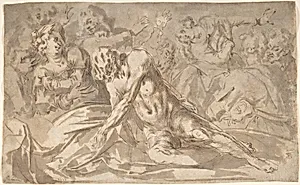
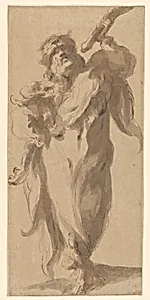
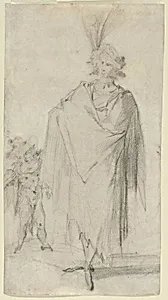
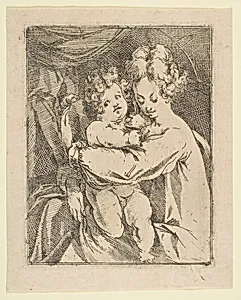
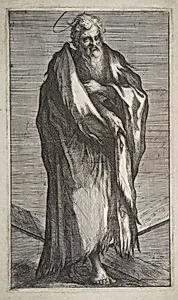
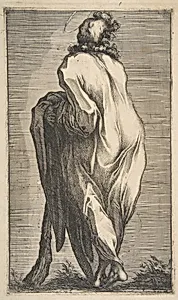
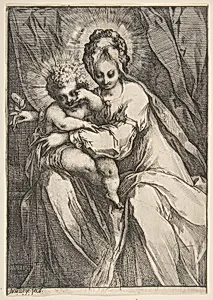
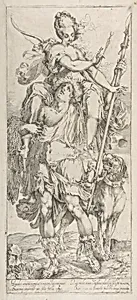
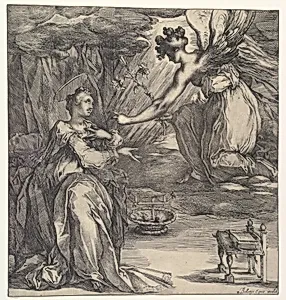
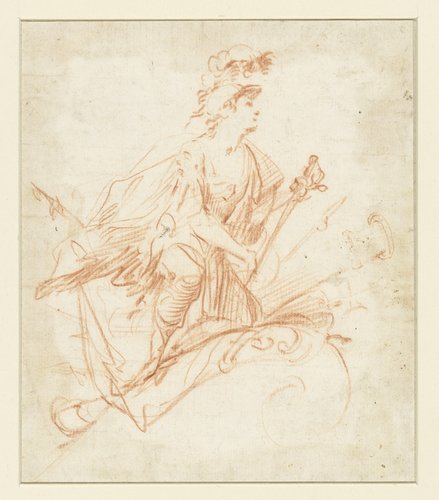
Bellange's highly idiosyncratic style represents one of the last and most extreme expressions of Northern Mannerism, blending Netherlandish influences from Bartholomeus Spranger and Hendrik Goltzius with Italian sources like Parmigianino's elongated figures, small heads on swan-like necks, and ecstatic poses, as well as techniques from etchers Federico Barocci and Ventura Salimbeni. He also drew from the School of Fontainebleau, infusing his work with a private, mystical religious fervor wrapped in aristocratic elegance—sweeping draperies, fantastical costumes mixing court fashion and antiquity, and innovative light effects via stippling and burnishing. While his court commissions showcased this in paintings and designs, today he is known primarily through about 48 exquisite etchings (mostly 1613–1616) and around 80–100 drawings.
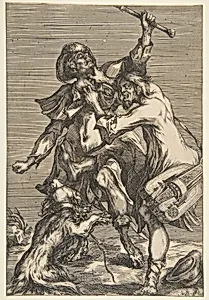
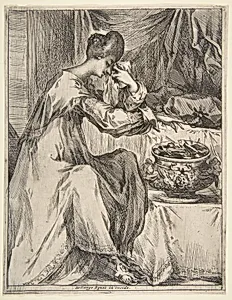
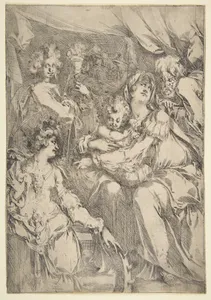
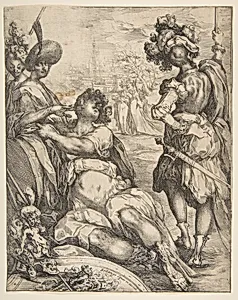
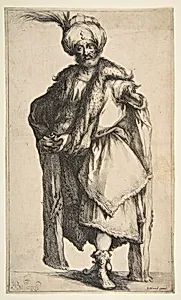
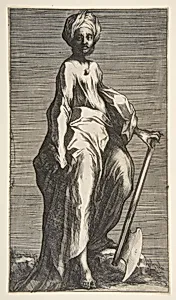
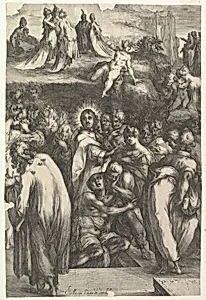
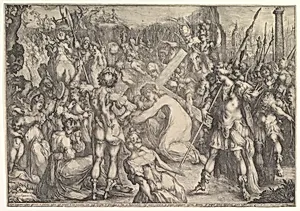
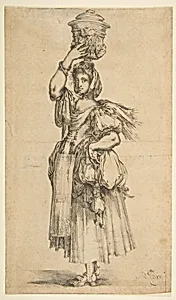
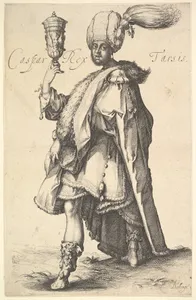
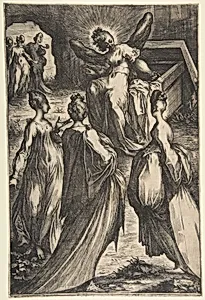
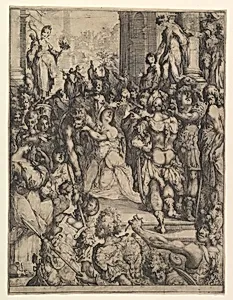
Among his major etchings are monumental religious narratives like the *Adoration of the Magi* (c. 1613–1616, his largest at 596 x 429 mm), *Christ Carrying the Cross* (1612), *The Martyrdom of Saint Lucy* (1613), *Raising of Lazarus*, and *The Three Marys at the Tomb*. Genre scenes reveal a stark realism, such as *Hurdy-Gurdy Player Attacking a Pilgrim* and the violent *Fighting Beggars* (c. 1612–1616), foreshadowing Jacques Callot. The *Hortulanae* series features four ethereal female gardeners, while apostolic sets include *Saint John the Apostle* and individual Magi like *Melchior*.
Bellange enjoyed fame in his lifetime for paintings praised by contemporaries like Balthazar Gerbier, with prints quickly collected and imitated across Europe. His reputation waned in the 18th century amid shifting tastes but revived in the 20th with Mannerism's reevaluation—exhibitions in Vienna (1931), the U.S. (1975), and Europe (1997) cemented his legacy as a visionary etcher whose nervous, emotive visions bridge Renaissance artifice and Baroque intensity.
Wikidata (CC0); Getty ULAN (ODC-By)