Ctrl K
1586–1652
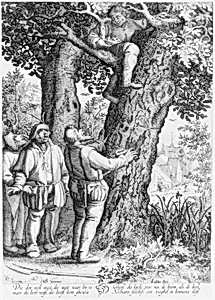
Claes Jansz. Visscher, also known as Nicolas Joannis Visscher II or Joannis Piscator, was a prominent Dutch Golden Age draughtsman, engraver, mapmaker, and publisher born in Amsterdam in 1587 and died there on June 19, 1652. The son of the printmaker and publisher Jan Claesz. Visscher (c. 1550–1612), he learned the art of etching and printing from his father, helping to expand the family trade into one of the era's largest publishing enterprises on Amsterdam's Kalverstraat. Visscher began his career as a draughtsman and engraver around 1605 before fully transitioning to publishing in 1606, where he excelled at acquiring and reprinting plates from earlier masters while producing original works.
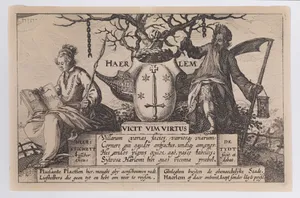
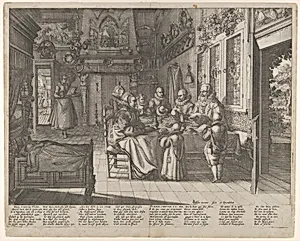
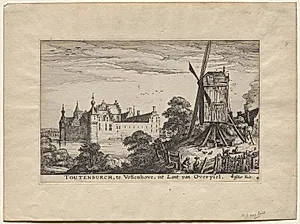
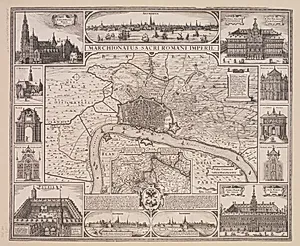
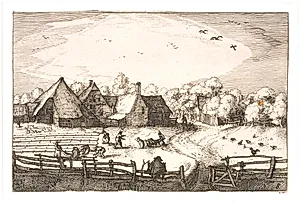
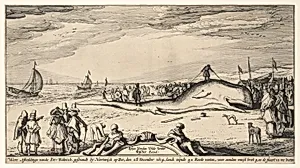
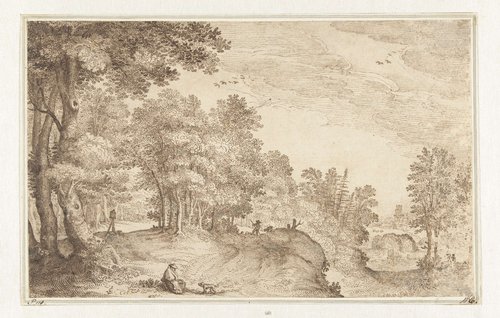
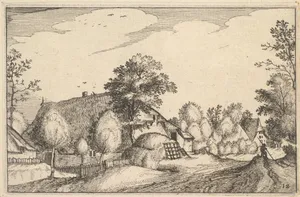
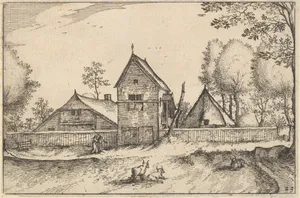
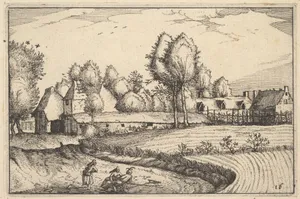
Visscher's artistic output, comprising over 200 etchings, centered on intricate landscapes, city views, and maps adorned with elaborate borders, capturing the naturalistic detail and topographic precision that defined early seventeenth-century Dutch printmaking. He played a pivotal role in advancing Dutch landscape traditions by etching faithful yet atmospheric copies in 1612 of Hieronymus Cock's *Small Landscapes* series (originally from Antwerp, 1559–1561), reissuing 26 views as *Regiunculae, et Villae Aliquot Ducatus Brabantiae* to evoke rural Brabant amid the Twelve Years' Truce. His own innovative series *Plaisante Plaetsen* (c. 1611–1612) featured plein-air-inspired Haarlem scenes like *Beacon at Zandvoort* and *Bleaching Fields Near the Haarlemmer Hout*, blending staffage and moody tones for intimate effect. Iconic works include the panoramic *London* view (1616), *Map of Paris* (1618), *Leo Belgicus* (1611), and the dramatic etching of Johan van Oldenbarnevelt's decapitation (1619), alongside genre scenes like *A Family Saying Grace* (1609).
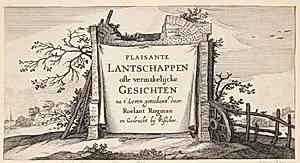
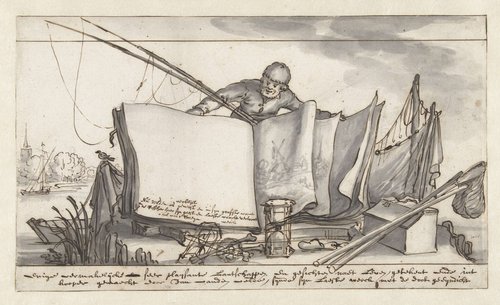
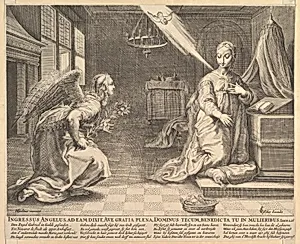
As a savvy publisher, Visscher capitalized on demand for Protestant Bible illustrations following the Statenbijbel, offering standalone print series after artists like David Vinckboons, Esaias van de Velde, and Pieter Lastman, marked by his signature fisherman emblem (Piscator). He passed the thriving firm to his son, Nicolaes Visscher I (1618–1679), and grandson Nicolaes II (1649–1702), ensuring its legacy into the eighteenth century with plates reprinted for over a hundred years. Visscher's topographic realism and entrepreneurial spirit profoundly shaped Netherlandish print culture, influencing artists like Roelant Roghman and fostering a market for detailed, evocative landscapes that bridged Southern and Northern traditions.